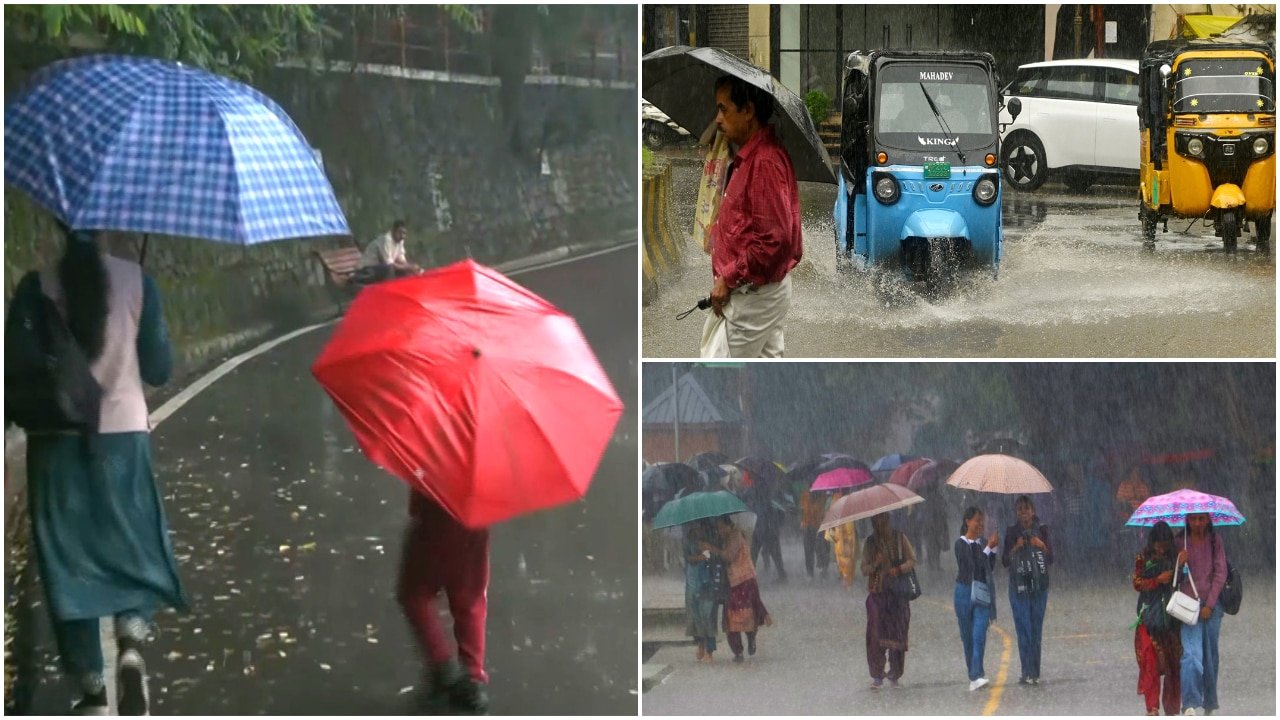
Monsoon Fury: Widespread Alert Issued as Severe Weather Grips 15 States
The India Meteorological Department (IMD) has issued a high-priority weather bulletin as an active monsoon cycle continues to batter large swaths of the country. With heavy rainfall predicted across 15 states, the situation has escalated, particularly in the northern regions. Uttarakhand remains under a critical 'Orange Alert,' signaling the potential for severe weather events that could disrupt life, infrastructure, and agricultural operations. Alongside the deluge, forecasters have warned of gusty winds reaching speeds of up to 70 kilometers per hour, creating a volatile environment for both urban and rural landscapes.
This intensified phase of the monsoon is attributed to the convergence of moisture-laden winds from both the Bay of Bengal and the Arabian Sea, interacting with localized cyclonic circulations. The resulting instability has led to continuous precipitation, raising concerns regarding flash floods, landslides in hilly terrains, and waterlogging in low-lying agricultural plains. Meteorological officials are closely monitoring the atmospheric pressure gradients, noting that the combination of high wind speeds and sustained rainfall poses a significant risk to the structural integrity of standing crops and rural infrastructure.
Assessing the Meteorological Impact and Regional Risks
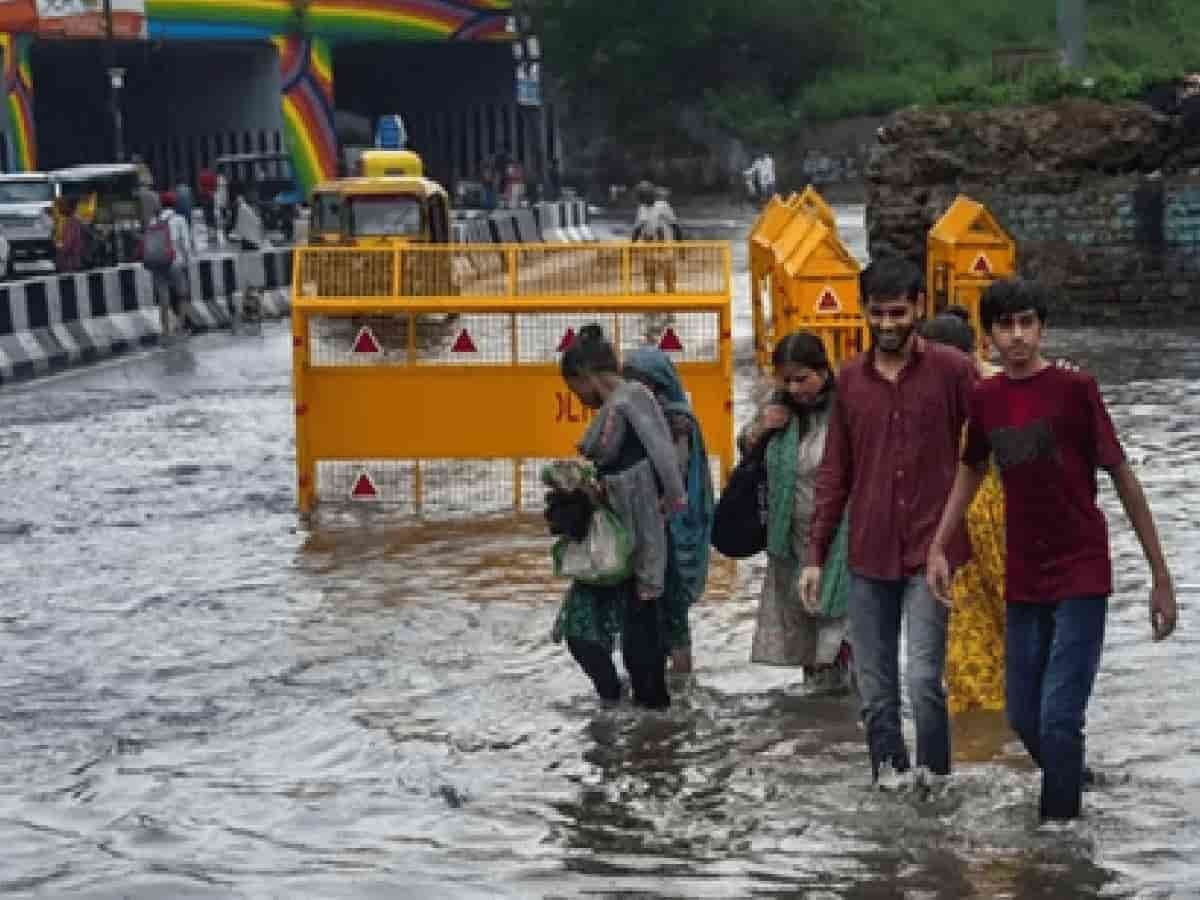
The current weather pattern is characterized by its expansive reach, affecting states across the northern, central, and eastern belts. While the 'Orange Alert' for Uttarakhand highlights the immediate danger of cloudbursts and triggered landslides, the broader warning for 15 states underscores the systemic nature of this monsoon surge. In the plains, the primary concern is the sudden increase in river water levels and the saturation of soil, which can lead to rapid runoff and potential damage to irrigation networks.
The threat of 70 kmph winds is particularly concerning for mature or standing crops. At these velocities, wind can induce lodging—where stalks are bent or broken near the ground—which drastically reduces yield quality and complicates mechanized harvesting. Furthermore, the accompanying thunderstorms increase the risk of lightning strikes, a significant hazard for farmers working in open fields. Local authorities have been advised to maintain emergency response readiness, particularly in districts prone to inundation, as the saturation levels in the soil have reached critical thresholds.
Infrastructure Vulnerability and Agricultural Resilience
Beyond the immediate threat to life and property, the intensity of this weather event highlights the fragility of regional supply chains. Heavy rainfall often results in the disruption of rural road networks, impeding the transport of perishable goods to mandis (markets) and hindering the delivery of essential farm inputs such as fertilizers and pesticides. In hill states, the risk of landslides poses a long-term threat to connectivity, which can isolate remote farming communities during peak agricultural cycles.
Agronomists emphasize that while monsoon rain is essential for kharif crops, the current intensity exceeds the threshold of beneficial irrigation. Excess water standing in fields for prolonged periods can lead to root rot, nutrient leaching, and the proliferation of fungal pathogens. As the meteorological department continues to track the movement of these weather systems, the focus remains on minimizing the impact on the agricultural sector, which is currently in a vital stage of crop development across much of the affected geography.
What This Means for Farmers
For the farming community, these severe weather warnings necessitate immediate and proactive risk management to protect both crops and livestock. The following measures are advised to mitigate potential losses during this high-intensity monsoon phase:
- Implement Drainage Protocols: Ensure that field drainage channels are clear of debris to prevent waterlogging. If the field is low-lying, consider creating secondary trenches to facilitate faster water runoff.
- Monitor for Pest and Disease Outbreaks: High humidity and persistent rain create the perfect environment for fungal diseases and pest infestations. Farmers should scout fields regularly once the weather clears and consult local agricultural extension officers for appropriate prophylactic sprays.
- Secure Livestock and Assets: Move livestock to higher, sheltered ground and ensure that stored feed and fertilizers are kept in elevated, moisture-proof storage facilities to prevent spoilage.
- Avoid Field Operations During Storms: Given the risk of lightning and high-speed winds, all outdoor agricultural activities should be suspended during active alerts. Personal safety must take precedence over field work.
- Review Insurance Coverage: Farmers are encouraged to keep documentation of crop status and field conditions. In the event of significant damage, timely reporting to local agricultural departments or crop insurance providers is essential for processing potential claims.
As the IMD continues to update its forecasts, farmers are urged to stay connected with local weather bulletins and district-level agricultural advisories. Proactive communication with local extension services can provide specific, localized guidance tailored to the soil health and crop varieties currently under cultivation in their respective regions.