Monsoon Fury: Widespread Heavy Rainfall Alerts Issued Across India
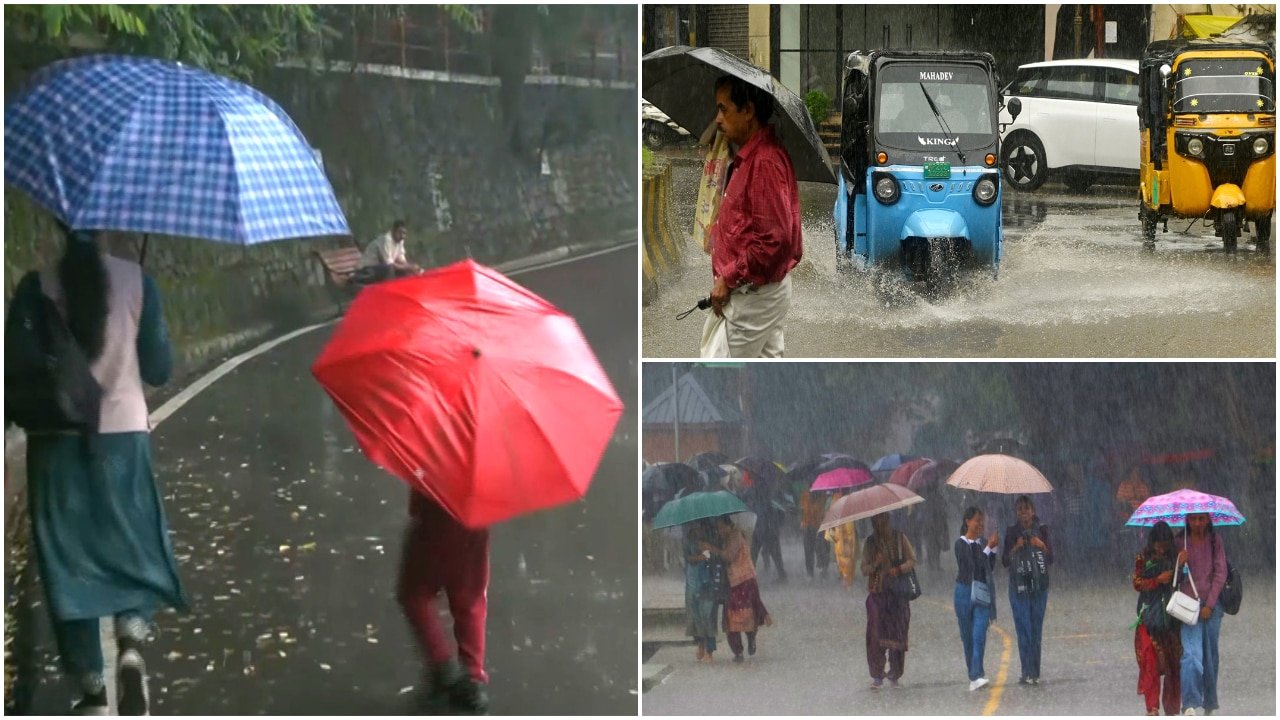
The India Meteorological Department (IMD) has sounded a high-level alert as an active monsoon trough brings intense rainfall across a significant portion of the Indian subcontinent. With forecasts predicting persistent heavy downpours affecting Delhi and 20 other states through July 27, the nation’s agricultural heartlands and urban centers are bracing for the impact of extreme weather conditions. The current meteorological instability is expected to bring localized flooding, significant soil saturation, and potential disruptions to logistics and seasonal harvesting cycles.
Regional Vulnerabilities and Mountainous Regions Under High Watch
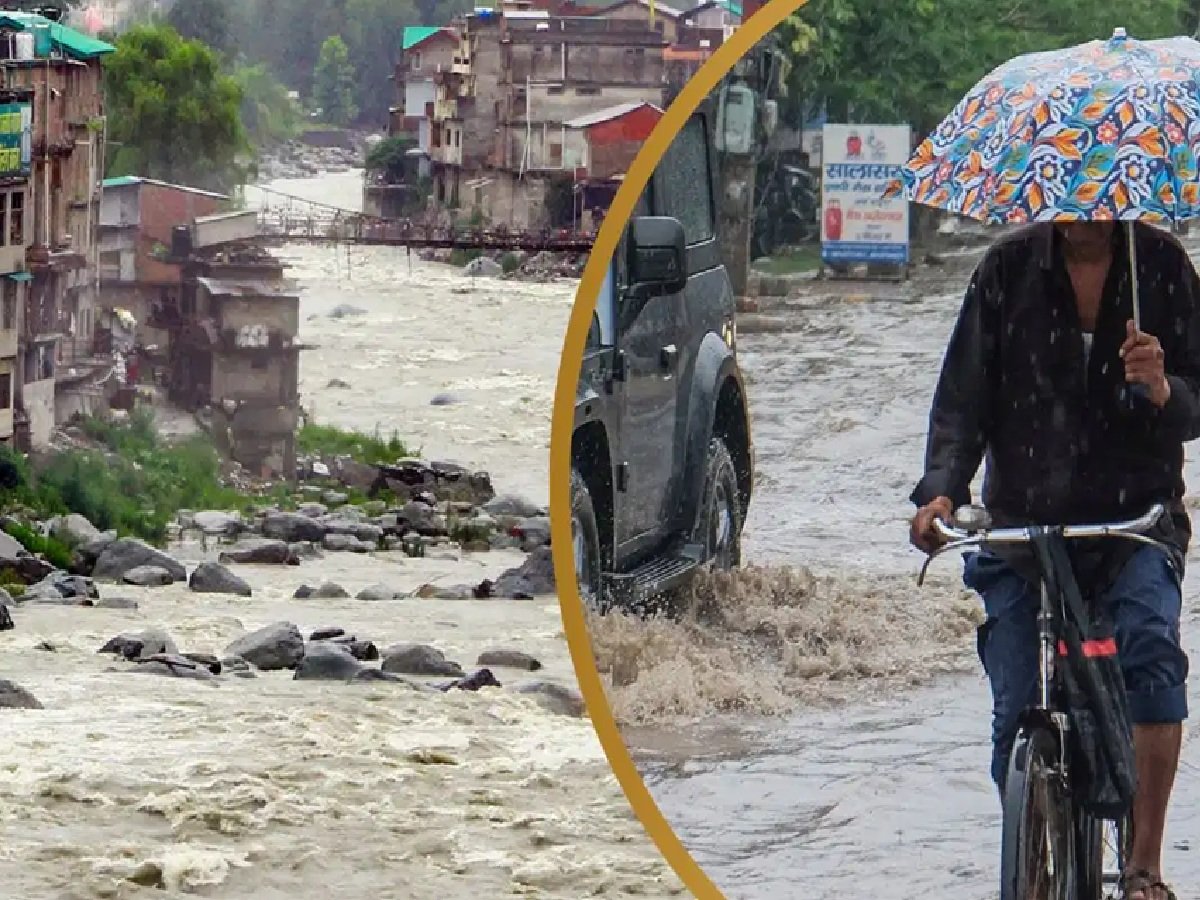
While the plains are contending with the threat of waterlogging, the mountainous regions of Northern India—particularly Himachal Pradesh, Uttarakhand, and parts of Jammu and Kashmir—remain under a critical watch. The topography of these regions makes them susceptible to flash floods and landslides, which can sever vital supply chains, isolate farming communities, and damage essential infrastructure.
Meteorologists indicate that the convergence of moisture-laden winds from the Arabian Sea and the Bay of Bengal is fueling this widespread weather event. In the low-lying plains, the primary concern is the potential for crop damage due to waterlogging. Excessive moisture in the root zone can lead to hypoxia in crops, increased fungal pathogen pressure, and the leaching of essential soil nutrients, which are critical for vegetative growth during this stage of the monsoon season.
Agronomic Challenges Amidst Prolonged Precipitation
For the agricultural sector, the timing of this monsoon surge is particularly sensitive. As farmers across the country are currently engaged in sowing and early-stage crop management for the Kharif season, excess rainfall poses a dual threat. Firstly, heavy rain can wash away freshly sown seeds in inadequately drained fields. Secondly, the high humidity levels accompanying these spells create an ideal environment for the proliferation of pests and diseases, such as bacterial blight and various viral vectors that thrive in damp, stagnant conditions.
Market analysts are also monitoring the situation closely, as severe weather often translates into logistical bottlenecks. The disruption of rural roads and highways can delay the transport of inputs like fertilizers and pesticides, while simultaneously impeding the movement of perishable goods to urban markets. The IMD’s extended forecast suggests that farmers should remain vigilant regarding field drainage and monitor weather updates to time their field operations effectively.
What This Means for Farmers
The current weather alert necessitates immediate, proactive management strategies to safeguard investments and ensure crop resilience. Farmers are advised to prioritize the following actions during this period of intense precipitation:
- Prioritize Field Drainage: Ensure that drainage channels are cleared of debris. Stagnant water is the primary cause of root rot and nutrient loss; maintaining proper water flow is essential to prevent long-term crop damage.
- Nutrient Management: Be aware that heavy rainfall can cause the leaching of nitrogen-based fertilizers. Avoid applying fertilizers immediately before a forecast heavy rain event to ensure maximum uptake efficiency and reduce environmental runoff.
- Disease Surveillance: Increased humidity levels significantly raise the risk of fungal infections. Conduct regular field scouting for early signs of leaf spot, blight, or other moisture-related pathologies. Proactive, localized treatment is more cost-effective than managing a widespread outbreak.
- Infrastructure Security: For those in hilly or flood-prone regions, secure stored harvests and livestock in elevated, dry areas. Ensure that essential machinery is housed in weather-proof structures to avoid rust and electrical damage.
- Monitor Localized Updates: Regional weather patterns can shift rapidly. Rely on official state agricultural department advisories and district-level IMD bulletins rather than generalized national forecasts to make specific decisions regarding irrigation or pesticide application.
While a robust monsoon is generally beneficial for India’s water reservoirs and soil moisture levels, the current intensity requires a cautious approach. By focusing on soil health, drainage management, and diligent monitoring, farmers can mitigate the risks associated with this period of extreme monsoon activity.