Saputara Monsoon Festival 2026: Bridging Agritourism and Regional Development
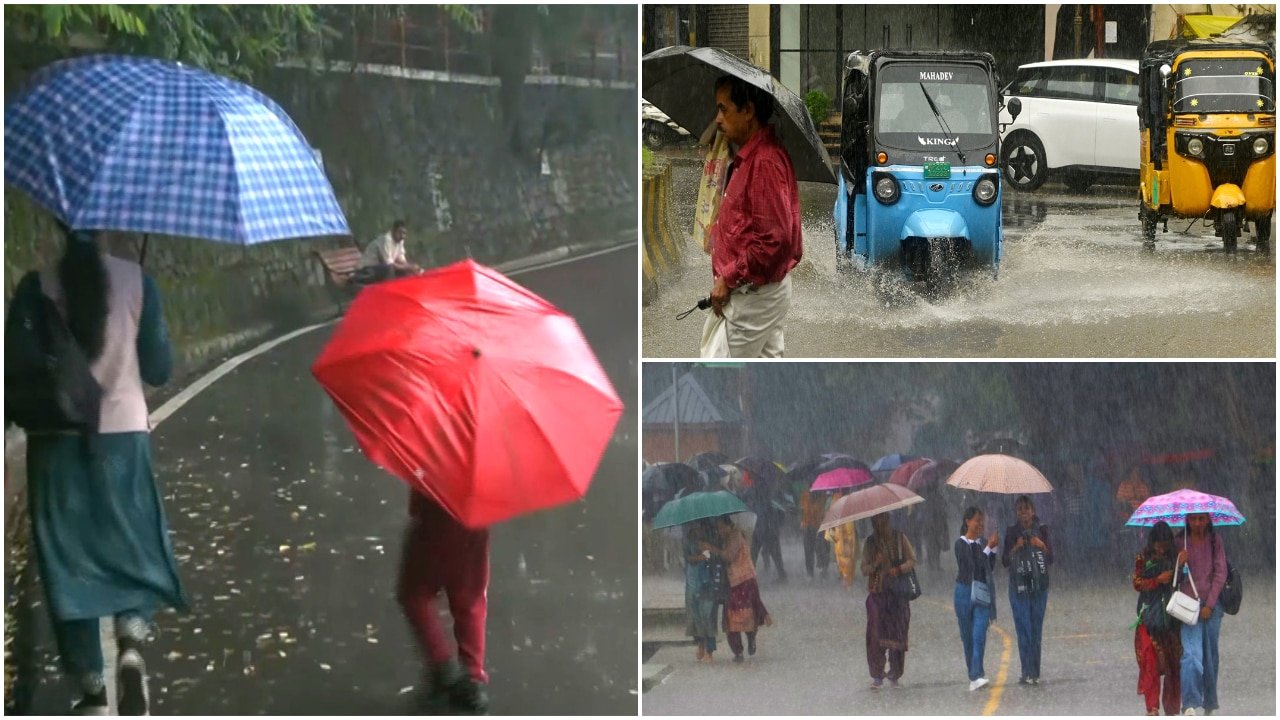
The scenic hill station of Saputara, nestled in the Dang district of Gujarat, has officially opened its doors for the 2026 Monsoon Festival. The event, which serves as a cornerstone for the region’s growing agritourism sector, was inaugurated by Deputy Chief Minister Harsh Sanghavi. As the state’s only prominent hill station, Saputara has transformed into a vibrant cultural hub, drawing visitors from across the country to witness the lush, rain-fed biodiversity of the Western Ghats.
The festival, scheduled to run through August 29, offers a multifaceted program that highlights the intersection of local culture, environmental conservation, and economic stimulation. By leveraging the natural beauty of the monsoon season, the festival aims to provide a sustainable platform for local artisans, farmers, and hospitality providers to showcase their offerings to a broader audience, effectively positioning the Dang region as a premier destination for seasonal tourism.
Infrastructure Upgrades and Enhanced Visitor Experiences
A key focus of this year’s festival is the significant investment in infrastructure and visitor amenities. Understanding that the monsoon season presents unique challenges for rural tourism—including accessibility and trail maintenance—the state government has prioritized upgrades to the local trekking circuits and scenic viewpoints. These enhancements are designed not only to improve safety for tourists but also to protect the fragile ecology of the surrounding forests during periods of heavy rainfall.
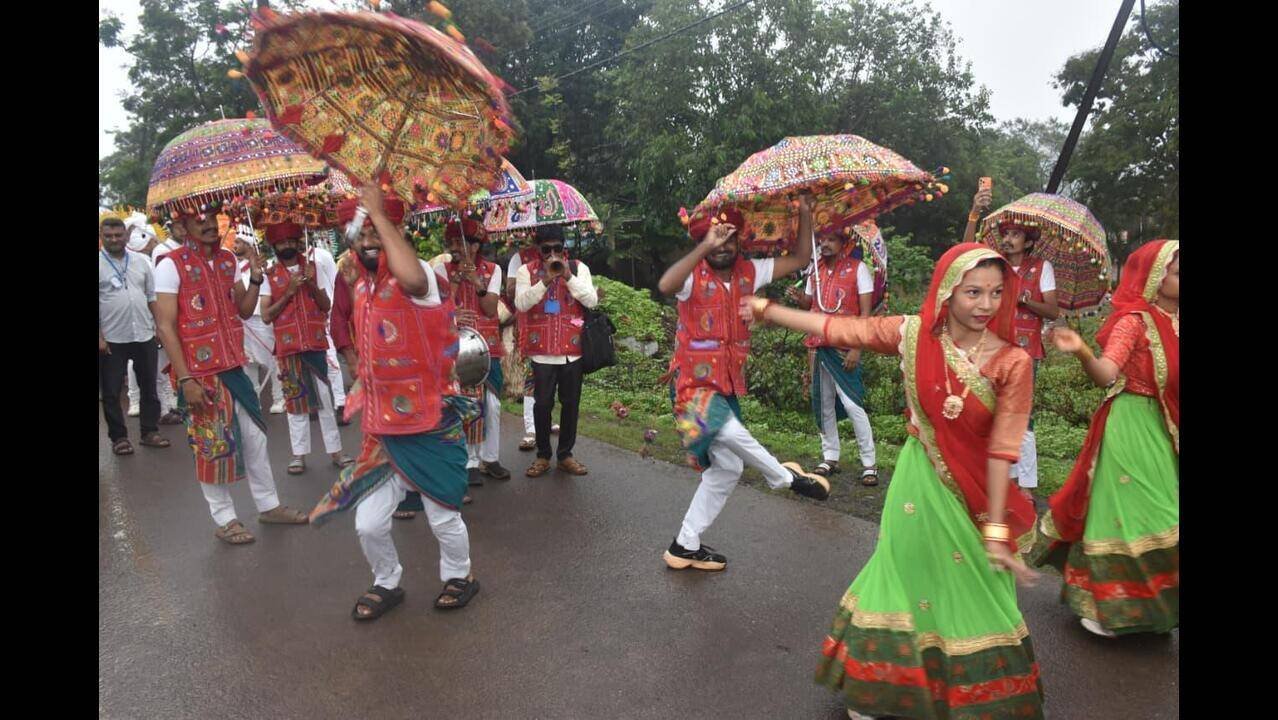
Beyond the physical improvements, the festival calendar is packed with curated cultural showcases. These events provide a platform for tribal communities in the Dang region to present traditional music, dance, and crafts. By integrating these cultural elements into the festival, organizers are creating a holistic experience that goes beyond mere sight-seeing. This approach encourages longer visitor stays, which in turn increases the economic ripple effect throughout the local community, benefiting small-scale vendors and local transport operators alike.
Promoting Biodiversity and Sustainable Tourism
The Saputara Monsoon Festival is also serving as a vital educational tool regarding the region’s rich biodiversity. Guided nature trails are a central feature of the event, offering participants the chance to explore the flora and fauna that thrive during the rainy season. Experts emphasize that these trails are crucial for fostering a deeper appreciation of the Western Ghats' ecosystem, which is essential for long-term conservation efforts.
The emphasis on sustainable tourism is clear: by channeling foot traffic into managed, high-quality experiences, the festival helps minimize the environmental footprint often associated with unregulated tourism. This structured approach allows local authorities to monitor visitor impact while ensuring that the natural beauty of Saputara remains preserved for future generations. For the local agricultural community, this influx of visitors during a traditionally slower season provides a welcome diversification of income, moving away from a sole reliance on seasonal crop cycles.
What This Means for Farmers
For the farming community in and around the Dang district, the Monsoon Festival represents a significant shift toward the integration of agriculture and tourism. There are three primary takeaways for local producers and rural stakeholders:
- Direct-to-Consumer Market Opportunities: The festival creates a concentrated demand for locally sourced produce, organic goods, and traditional handicrafts. Farmers are encouraged to leverage this surge in foot traffic to establish direct marketing channels, bypassing intermediaries and capturing a larger share of the retail price for their goods.
- Diversification of Income Streams: By participating in agritourism—such as offering farm stays, guided tours of spice or pulse plantations, or hosting culinary workshops—farmers can create a resilient income model that is less dependent on the volatility of traditional commodity markets.
- Infrastructure and Connectivity Benefits: The government-led upgrades to roads and regional infrastructure, necessitated by the festival, provide long-term logistical advantages. Improved connectivity makes it easier and more cost-effective for farmers to transport their harvests to larger wholesale markets in Gujarat, reducing post-harvest losses and improving overall supply chain efficiency.
Ultimately, the festival acts as a catalyst for rural development. By aligning the agricultural sector with the growth of the tourism industry, farmers are better positioned to adopt modern, sustainable practices that enhance both their productivity and their visibility within the broader state economy.