Monsoon Devastation Disrupts National Highway Infrastructure Across 20 States
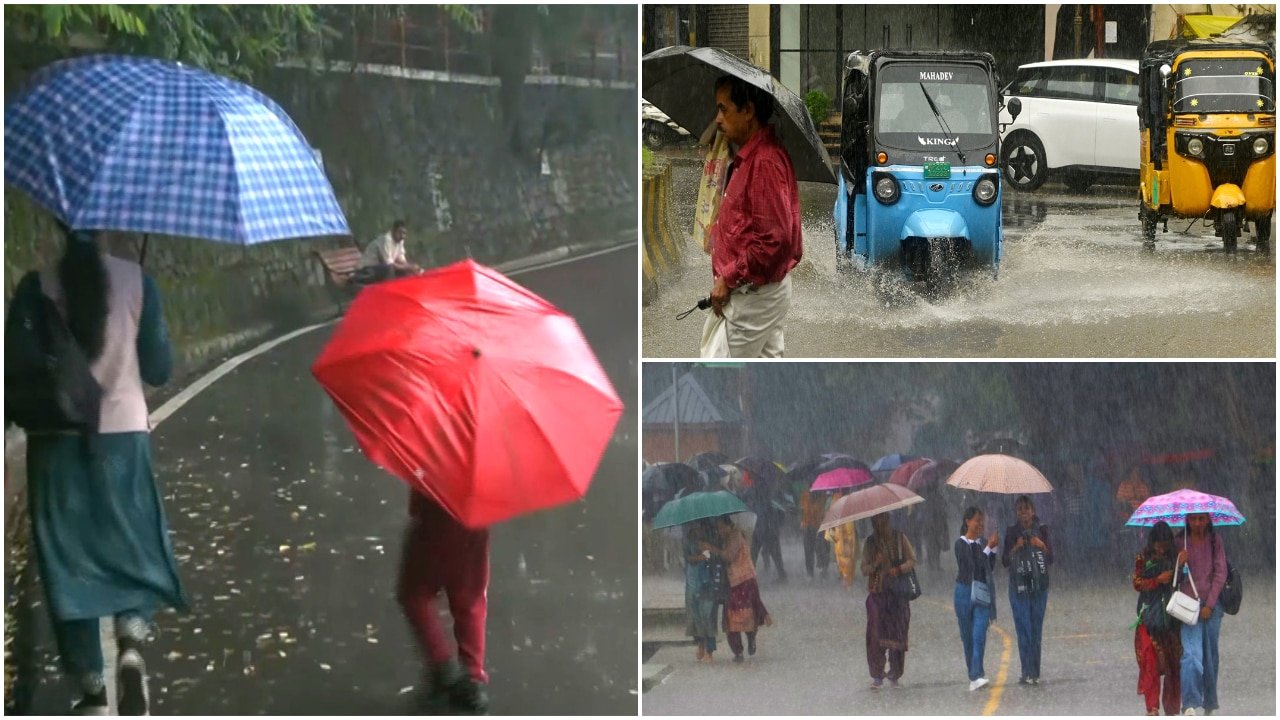
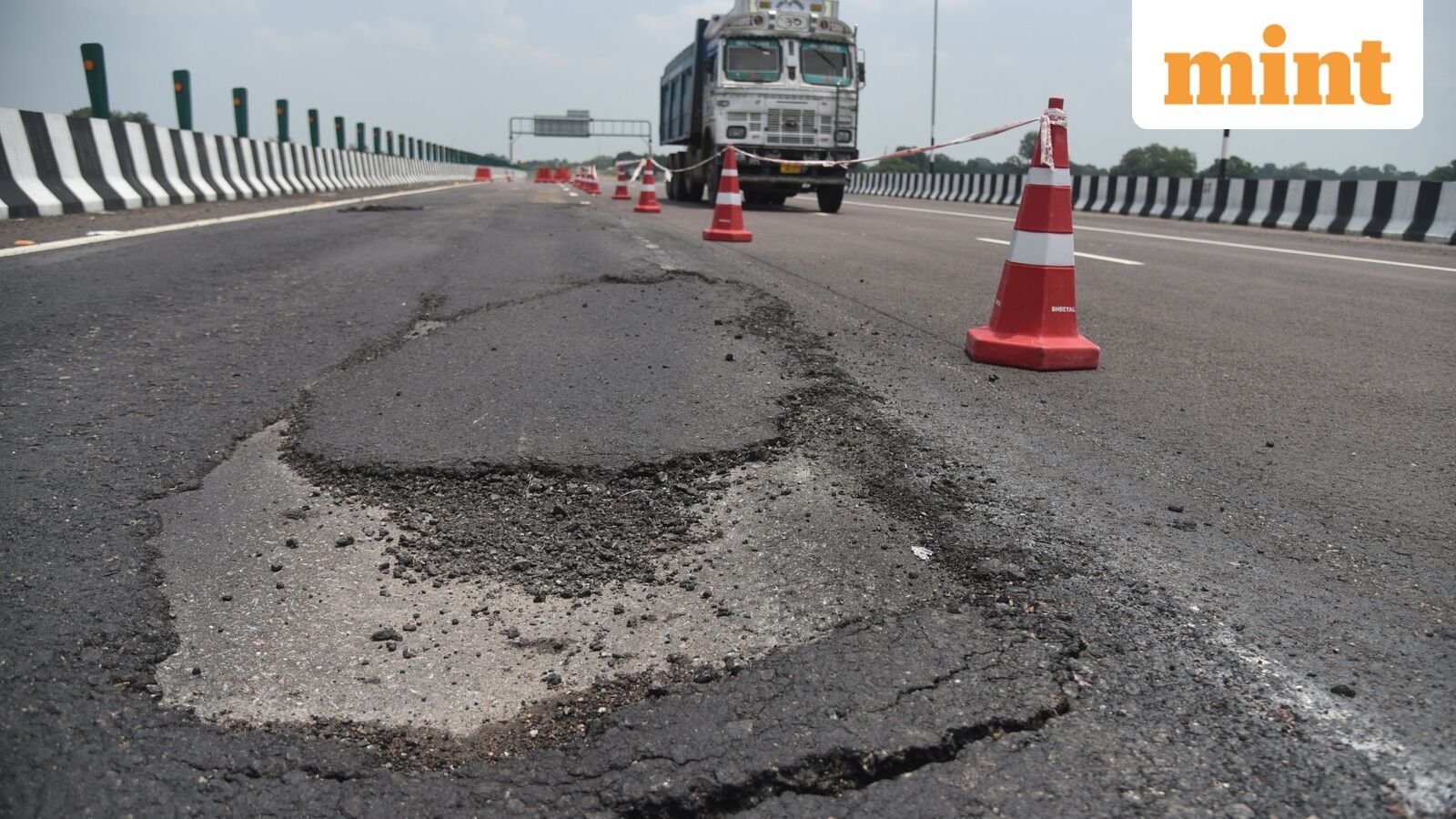
The 2026 southwest monsoon season has left a trail of infrastructure destruction that is reverberating through the heart of the national supply chain. Recent reports indicate that approximately 143 kilometers of National Highways (NH) and major expressways have sustained critical structural damage across 20 states and Union territories. The heavy rainfall, characterized by unprecedented intensity and duration, has compromised road integrity, leading to sinkholes, waterlogging, and severe erosion that threaten both passenger safety and the movement of essential agricultural commodities.
This infrastructure crisis is occurring against the backdrop of a grim safety record. Data from the first seven months of 2026 reveals that over 32,000 fatalities have been recorded on National Highways. While the monsoon has exacerbated existing road safety challenges, the sheer volume of casualties highlights a systemic vulnerability in the nation’s primary transport arteries, which serve as the lifelines for rural markets and industrial distribution alike.
Infrastructure Resilience and the Impact on Logistics
The damage to 143 kilometers of highway is not merely a civil engineering concern; it is a significant economic bottleneck. National Highways are the primary conduits for the "farm-to-fork" supply chain, facilitating the movement of perishable produce, fertilizers, and heavy machinery. When these routes are compromised, the time-in-transit for agricultural goods increases exponentially, leading to higher spoilage rates for farmers who rely on timely delivery to wholesale markets.
Structural damage—ranging from surface degradation and bitumen stripping to the collapse of supporting embankments—often necessitates emergency closures and lengthy detours. For the agricultural sector, these disruptions are particularly damaging during harvest cycles. When trucks are forced onto secondary, unpaved rural roads to bypass damaged highway stretches, the increased wear and tear on vehicles and the higher fuel consumption costs are ultimately passed back to the producers in the form of reduced farm-gate prices and increased logistics surcharges.
Safety Crisis Amidst Climate Volatility
The alarming figure of 32,000 road fatalities within a seven-month period underscores a complex intersection of infrastructure decay and climate-induced hazards. Poor visibility during torrential rains, combined with sudden road surface failures, has created hazardous conditions for heavy transport vehicles. Agricultural logistics rely heavily on large-scale trucking, which is disproportionately affected by road defects during high-precipitation events.
Engineering experts point out that drainage systems along many NH corridors have struggled to cope with the increased volume of water, leading to localized flooding that obscures structural failures. As climate patterns become more erratic, the traditional models for road maintenance and drainage capacity appear increasingly outdated. The current situation demands a transition toward more resilient road design, incorporating better water management systems and real-time monitoring of road health to prevent further loss of life and equipment.
What This Means for Farmers
The ongoing highway crisis presents several immediate and long-term challenges for the farming community. Farmers should prepare for the following economic and operational impacts:
- Increased Logistics Costs: Transport operators are likely to increase freight rates to compensate for longer detours and vehicle maintenance caused by road damage. Farmers should factor these higher costs into their post-harvest budget planning.
- Supply Chain Delays: With major routes compromised, the risk of spoilage for perishable crops like vegetables and fruits is significantly higher. Where possible, farmers should consider coordinating with local cold-storage cooperatives to hold produce until transit conditions stabilize.
- Market Price Volatility: Disrupted supply chains often lead to localized shortages in urban markets, causing erratic price fluctuations. Farmers are advised to maintain close contact with local Agriculture Produce Market Committees (APMCs) to monitor route accessibility and price trends before dispatching goods.
- Safety Vigilance: Producers managing their own transport fleets must prioritize vehicle maintenance and driver training during the monsoon. Ensuring that vehicles are equipped for wet-weather driving and adhering to updated route advisories can mitigate the risks associated with compromised highway infrastructure.
- Advocacy for Infrastructure: The scale of the damage highlights the need for a more robust dialogue between rural stakeholders and regional authorities. Farmers’ unions and agricultural cooperatives should advocate for prioritized repair schedules on highways that serve key agricultural production zones to ensure that future harvest seasons are not similarly hindered.