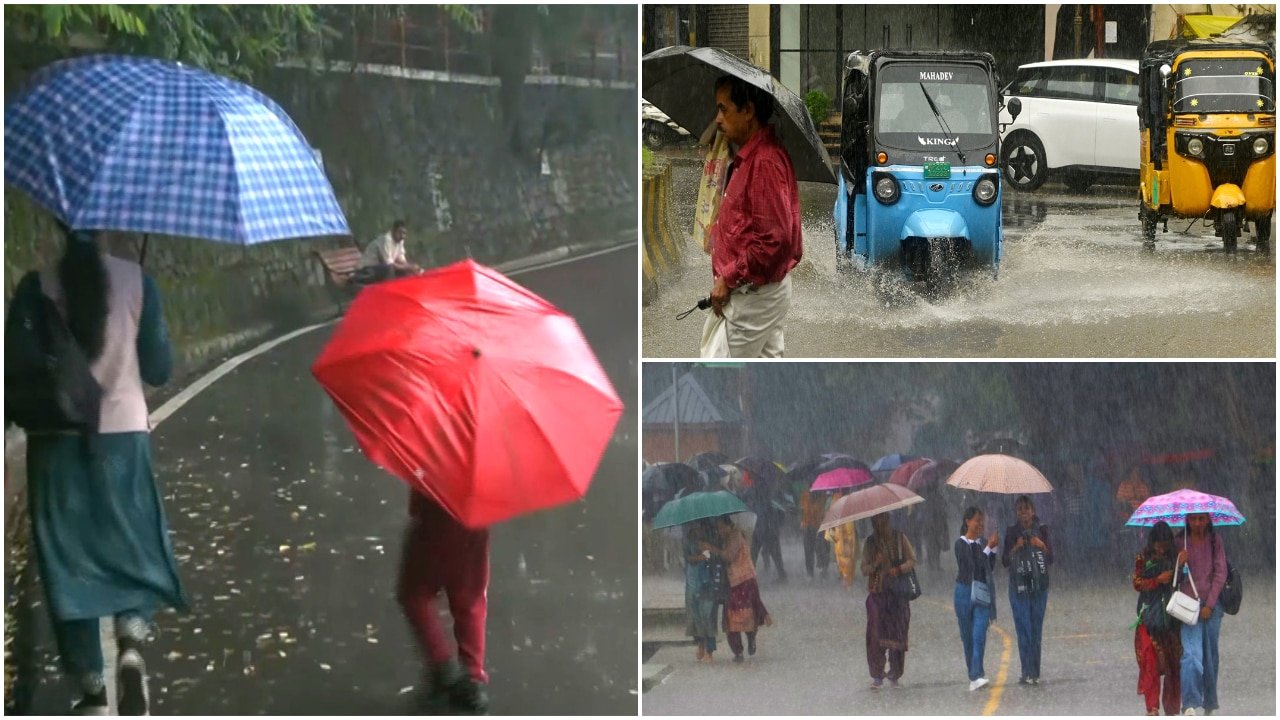
Monsoon Momentum: Widespread Heavy Rainfall Forecast Across India
The Indian Meteorological Department has issued a series of high-alert warnings as the Southwest Monsoon enters a phase of heightened intensity. Weather patterns currently indicate a robust surge in moisture-laden winds, which are expected to manifest as heavy to very heavy rainfall across a significant portion of the Indian subcontinent this Wednesday. This intensified activity is driven by a combination of atmospheric pressure shifts and the strengthening of the monsoon trough, setting the stage for a critical period for both regional infrastructure and the agricultural sector.
Meteorologists are tracking a cyclonic circulation that is currently interacting with the monsoon flow, facilitating a consistent influx of moisture from the Arabian Sea and the Bay of Bengal. This convergence is projected to dump significant precipitation across several states, with coastal regions and mountainous tracts expected to bear the brunt of the deluge. As the monsoon "cruises" through this active phase, authorities have urged residents and stakeholders in the agricultural community to remain vigilant against potential waterlogging and localized flooding.
Regional Distribution and Meteorological Drivers
The forecast for Wednesday highlights a broad spectrum of impact zones. Central India and the western coastal belts are anticipated to see the most significant accumulation of rainfall. The orographic influence—where moist air is forced upward by mountain ranges—is expected to trigger intense downpours along the Western Ghats, potentially leading to rapid rises in river levels and the saturation of soil profiles. Meanwhile, the northern plains are also expected to experience active monsoon conditions, providing much-needed replenishment for regional water reservoirs, though this comes with the inherent risk of flash flooding in low-lying areas.
The strength of this current monsoon pulse is attributed to the alignment of low-pressure systems that are effectively channeling moisture deep into the interior of the country. Unlike the sporadic rainfall seen in earlier weeks of the season, this event is characterized by its organized nature and sustained intensity. For regional weather bureaus, the priority remains the monitoring of cloud-to-ground lightning activity and the potential for high-velocity winds that often accompany such heavy convective systems.
Agricultural Implications and Soil Health
For the farming community, the arrival of widespread, heavy rain acts as a double-edged sword. On one hand, the precipitation is vital for the replenishment of groundwater tables and the sustained hydration of long-duration kharif crops. The consistent soil moisture is crucial for the vegetative growth phase of staples such as paddy, maize, and pulses. In regions that have previously faced dry spells, these rains are being viewed as a welcome relief that will stabilize crop health and reduce the reliance on supplemental irrigation.
Conversely, the intensity of the forecast raises concerns regarding crop damage. Excessive water retention in fields can lead to root rot, nutrient leaching, and the physical lodging of taller crops. Furthermore, the high humidity levels associated with such heavy rainfall events often create ideal conditions for the proliferation of fungal diseases and pest infestations. Farmers are advised to monitor their fields closely for signs of water stress or pathogen outbreaks as the humidity spikes.
What This Means for Farmers
The current meteorological outlook necessitates a proactive approach to farm management. To mitigate the risks associated with this heavy rainfall event, the following steps are recommended:
- Ensure Field Drainage: Prioritize the maintenance of drainage channels to prevent waterlogging. Standing water for prolonged periods can lead to oxygen deprivation in the root zone, significantly impacting crop yields.
- Monitor for Pests and Diseases: High humidity and consistent rainfall are primary catalysts for fungal infections. Farmers should be prepared to deploy preventative crop protection measures once the immediate downpour subsides.
- Postpone Fertilizer Application: It is advisable to delay the application of nitrogen-based fertilizers until the heavy rainfall passes. Applying nutrients during a deluge leads to significant nitrogen leaching, resulting in both economic loss and diminished fertilizer efficiency.
- Protect Harvested Produce: For those in regions where harvesting of early-maturing crops is underway, ensure that produce is moved to dry, elevated storage facilities to prevent spoilage and moisture-related damage.
- Infrastructure Inspection: Check the integrity of temporary structures, animal shelters, and irrigation equipment. High winds accompanying heavy rain can cause structural damage, and early reinforcement can prevent costly repairs.
While the heavy rainfall is essential for the overall health of the monsoon season, the management of this specific weather event will be a defining factor in crop productivity for the coming months. Farmers are encouraged to stay updated with local district-level weather alerts to make informed, real-time decisions for their specific micro-climates.