Monsoon Surge Intensifies Across North, West, and Central India
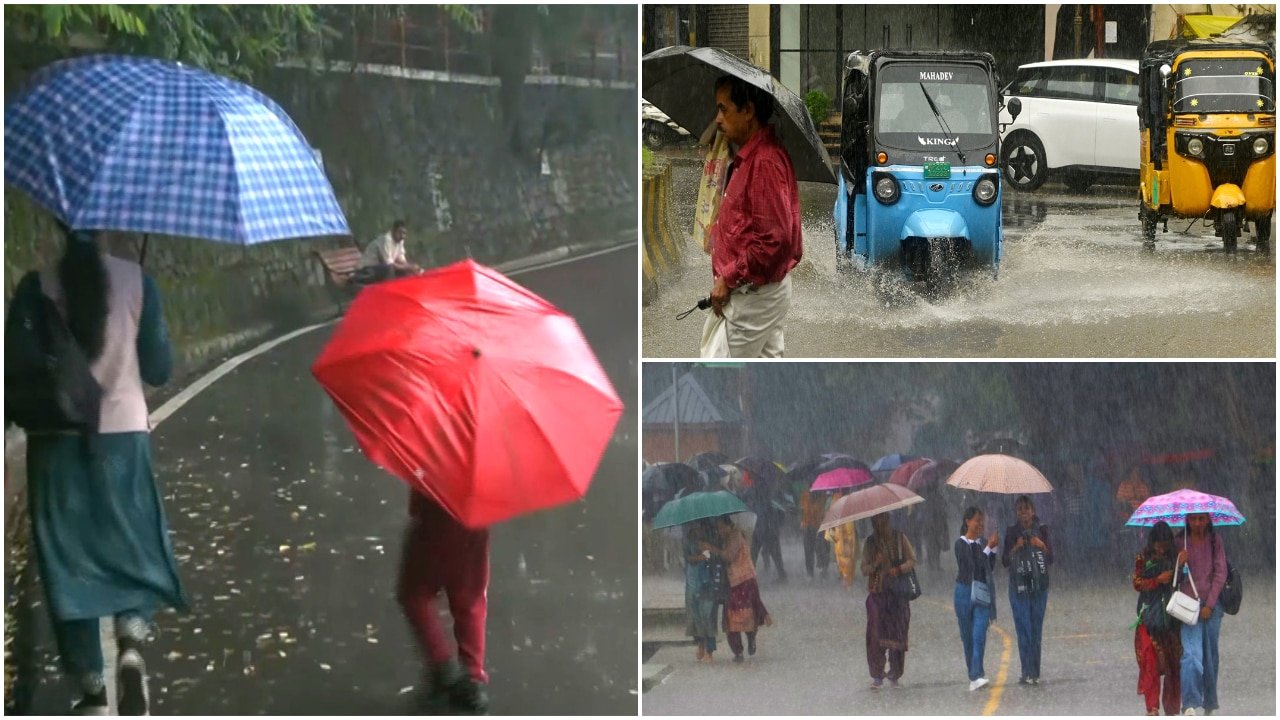
The Indian monsoon season has entered a phase of renewed vigor, with active weather systems driving widespread precipitation across North, West, and Central India. Meteorological agencies have reported a significant strengthening of the monsoon trough, which is currently facilitating a steady influx of moisture-laden winds from the Arabian Sea and the Bay of Bengal. This atmospheric shift has resulted in consistent rainfall patterns, bringing much-needed relief to agricultural belts that were previously experiencing dry spells, while simultaneously raising concerns regarding localized flooding and infrastructure disruption.
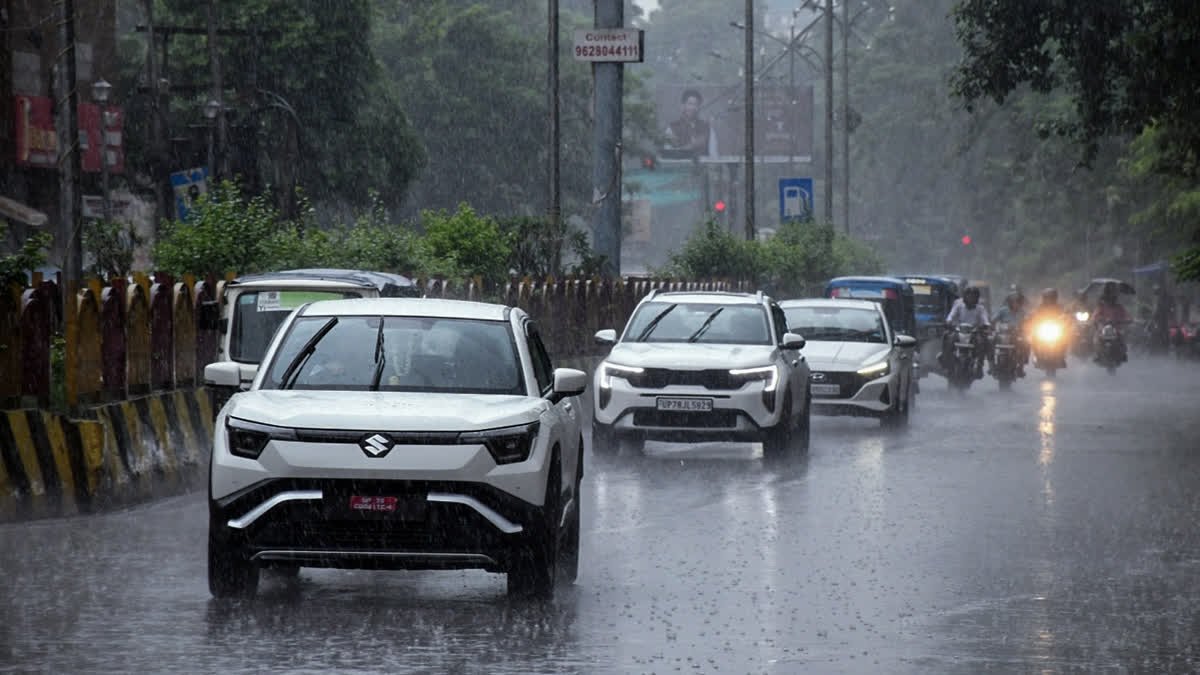
For the National Capital Territory of Delhi and its surrounding regions, the forecast indicates a sustained period of wet weather. The city is expected to witness increased rainfall intensity over the coming days as the monsoon trough shifts closer to the foothills of the Himalayas. Urban centers remain on high alert, as persistent precipitation often leads to waterlogging, traffic congestion, and pressure on drainage systems. Regional meteorological centers are continuously monitoring the development of low-pressure areas that are currently fueling this active phase, urging the public to stay updated with real-time weather bulletins.
Atmospheric Drivers and Regional Impact
The current intensification is attributed to a combination of favorable wind patterns and the positioning of the monsoon axis. In Central and Western India, the rainfall is particularly critical for the kharif crop cycle. The steady, widespread showers are instrumental in recharging soil moisture levels and filling irrigation reservoirs, which are vital for the sustained growth of crops such as paddy, soybeans, and pulses. However, the intensity of these rains varies significantly, with some regions experiencing heavy downpours that necessitate careful water management to prevent crop lodging or nutrient leaching.
Authorities have issued comprehensive safety advisories as the monsoon remains active. Residents in the affected regions are strictly cautioned against taking shelter under trees during thunderstorms, as the risk of lightning strikes increases significantly during these weather events. Furthermore, non-essential travel is being discouraged, particularly in low-lying areas or regions prone to landslides. Emergency response teams have been placed on standby to address any exigencies arising from the heavy rainfall, emphasizing the need for community vigilance and strict adherence to official government directives.
What This Means for Farmers
For the agricultural community, this monsoon surge presents both a boon and a logistical challenge. The primary benefit lies in the replenishment of water resources. Farmers who rely on rain-fed irrigation will see significant improvements in crop health; however, the excess moisture requires proactive management strategies to protect yields:
- Field Drainage Management: Ensure that drainage channels in fields are cleared of obstructions. Standing water in standing crops like maize or pulses can lead to root rot and fungal infections. If fields are waterlogged for extended periods, consider creating small drainage furrows to allow excess water to exit the plot.
- Pest and Disease Monitoring: High humidity and consistent rainfall create an ideal environment for the proliferation of pests and pathogens. Farmers should monitor their fields closely for signs of fungal outbreaks or insect infestations, which often accelerate during active monsoon phases. Consult with local agricultural extension officers regarding the timing of prophylactic treatments.
- Post-Harvest and Storage Precautions: If harvesting is currently underway for early-maturing varieties, ensure that produce is stored in elevated, moisture-proof structures. High ambient humidity can degrade the quality of harvested grains, leading to mycotoxin contamination or spoilage.
- Safety Protocols: Field operations should be paused during periods of intense lightning or high-velocity winds. Farmers are advised to prioritize personal safety and avoid working in open fields when weather warnings are in effect.
- Input Optimization: With the ground saturated, the efficiency of fertilizer application may be reduced due to leaching. Consider split-dose applications of nitrogenous fertilizers rather than a single heavy application to ensure that nutrients remain available to the crop root zone during the peak growth phase.
As the monsoon continues to track across these regions, the emphasis remains on balancing the utilization of this vital water resource with the mitigation of risks associated with extreme weather events. By maintaining close communication with local agricultural departments and adhering to safety advisories, farmers can better navigate the complexities of this active monsoon season.