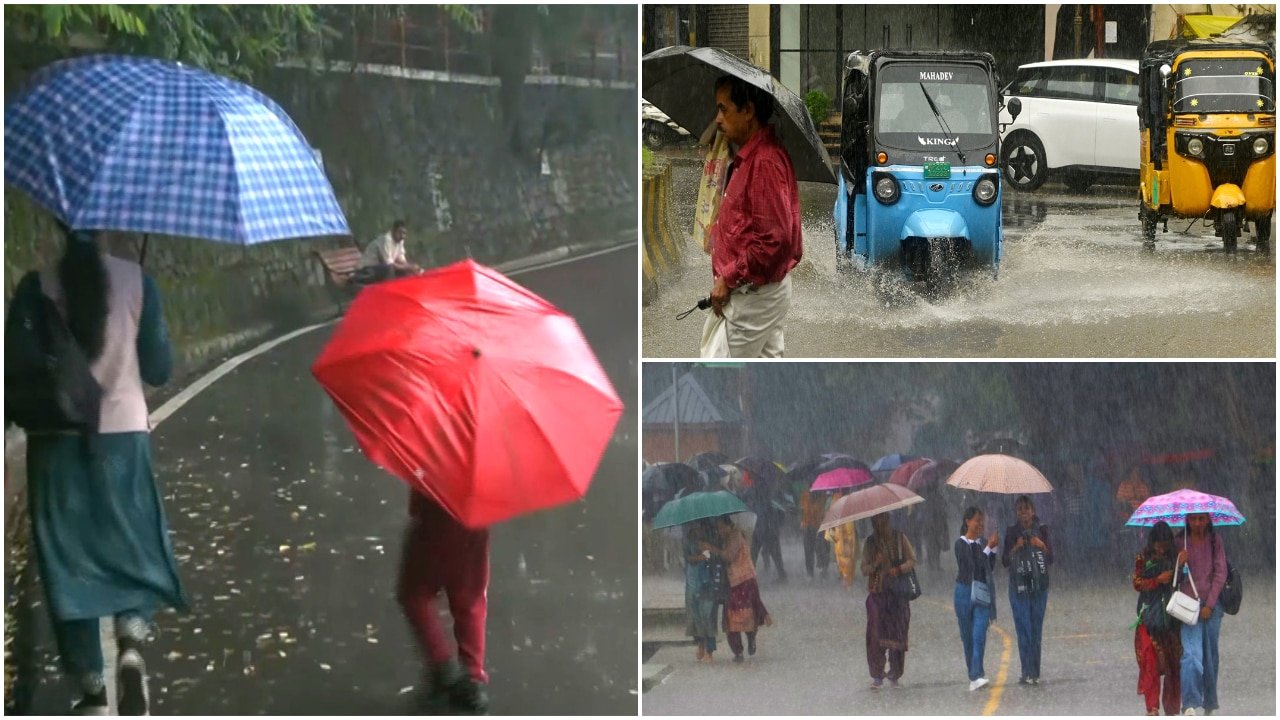
Prime Minister Reviews Gujarat Flood Crisis as Relief Operations Intensify
As heavy monsoon rains continue to batter Gujarat, Prime Minister Narendra Modi engaged in a high-level review of the state’s flood situation on Thursday. During a telephonic consultation with Chief Minister Bhupendra Patel, the Prime Minister assessed the extent of the damage caused by the relentless downpour and the subsequent inundation of low-lying areas. With meteorological warnings remaining in effect, the Central Government has pledged comprehensive support to the state administration to manage the ongoing disaster and mitigate the risk to life and property.
The situation in the southern districts, particularly Valsad, has reached a critical stage, prompting the mobilization of additional emergency response assets. In a decisive move to bolster local disaster management capabilities, two additional teams from the National Disaster Response Force (NDRF) were airlifted from New Delhi. These specialized units, trained in high-water rescue operations, are being deployed to reinforce existing efforts to evacuate stranded residents and provide immediate relief in areas cut off by rising floodwaters.
Strategic Deployment and Inter-Agency Coordination
The coordination between the Union and State governments underscores the severity of the current weather event. The deployment of additional NDRF teams is part of a broader strategy to ensure that rescue operations are swift and effective, especially in regions where conventional transport routes have been compromised. Aerial support, combined with the ground-level expertise of the NDRF, is essential for reaching remote villages where the monsoon surge has triggered flash floods and disrupted critical infrastructure.
State authorities in Gujarat have been directed to prioritize the restoration of essential services and ensure the safety of communities located near riverbanks and flood-prone zones. The Prime Minister’s office has emphasized the need for real-time monitoring of water levels in dams and reservoirs, as heavy inflows continue to pose a threat to downstream agriculture and rural settlements. By maintaining a constant flow of information between central agencies and state disaster management cells, the government aims to minimize the lag between the identification of risk and the implementation of safety measures.
Infrastructure Resilience and Agricultural Impact
While the immediate priority remains the safety of human life, the long-term implications for the agrarian economy are becoming increasingly apparent. Gujarat’s agricultural landscape, a significant contributor to the national economy, faces a dual challenge: the immediate destruction of standing crops due to waterlogging and the potential for long-term soil erosion. Persistent rainfall in districts like Valsad can lead to the leaching of nutrients and the susceptibility of crops to fungal infections, which may significantly impact yield quality and quantity for the current season.
Furthermore, the disruption of transportation networks poses a logistical challenge for the movement of perishable goods and livestock. Farmers in affected areas are facing not only the immediate threat of inundation but also the difficulty of accessing markets and securing inputs for post-flood recovery. The state government’s focus on infrastructure restoration is vital to prevent a broader economic shock to the local farming communities, which often rely on timely harvests and consistent market access to maintain their livelihoods.
What This Means for Farmers
For the farming community, the current flood situation serves as a stark reminder of the increasing volatility of monsoon patterns. Farmers in flood-affected districts should prioritize the following actions to mitigate long-term losses:
- Prioritize Livestock Safety: Ensure that livestock are relocated to elevated, dry areas and have access to clean fodder and water, as floodwaters are often contaminated and can lead to rapid disease outbreaks.
- Monitor Soil Health: Once the water recedes, farmers should conduct soil testing to assess nutrient loss. Prolonged waterlogging can strip the soil of nitrogen and other essential minerals, requiring a calibrated approach to fertilizer application during the recovery phase.
- Document Losses for Insurance: Detailed documentation, including photographs of submerged fields and damaged assets, is essential for filing claims under crop insurance schemes. Farmers should coordinate with local agricultural extension officers to ensure their losses are officially recorded.
- Consult Extension Services: Reach out to local Krishi Vigyan Kendras (KVKs) for guidance on post-flood crop management, such as identifying if replanting is viable or if specific fungicides are needed to prevent widespread crop rot.
- Stay Informed: Continue to monitor district-level weather alerts and official advisories. Avoid venturing into submerged fields where electrical hazards or hidden debris may pose a serious risk to personal safety.