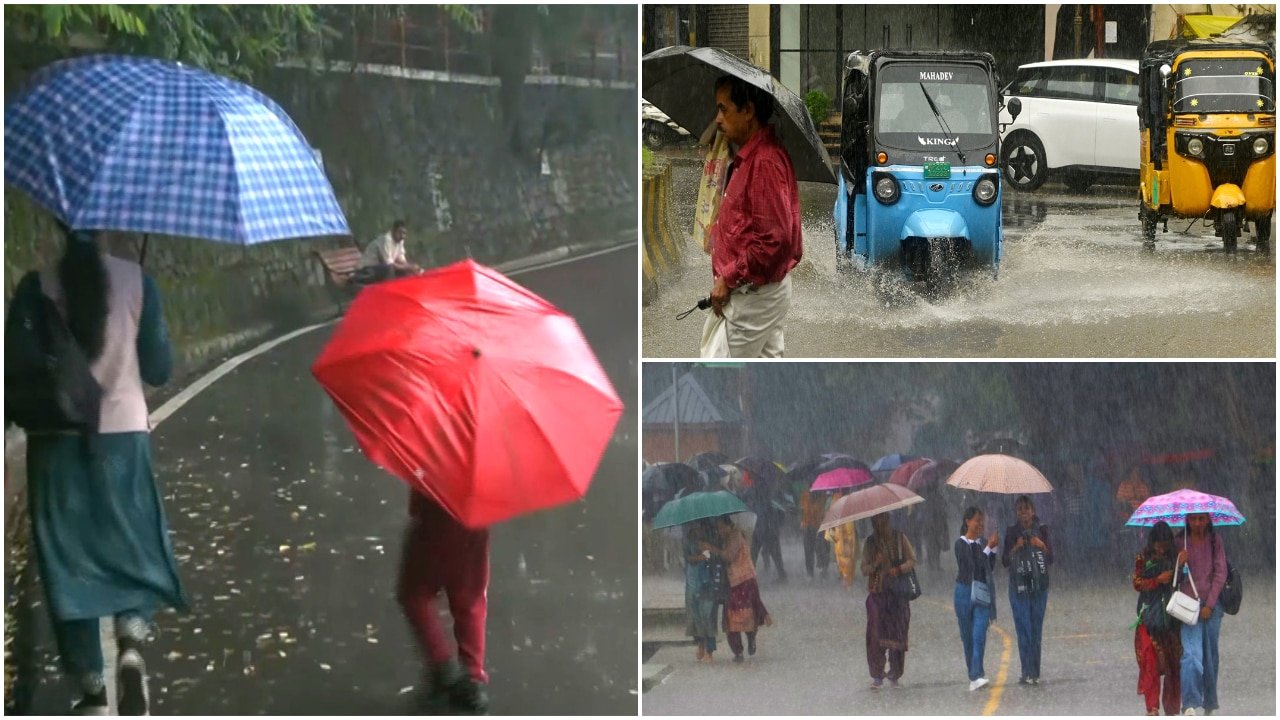
MHA Intensifies Oversight as Monsoon Conditions Across India Demand Coordinated Response
The Ministry of Home Affairs (MHA) has officially announced that it is maintaining a rigorous, round-the-clock monitoring protocol to track the progression of the monsoon season across India. As the country navigates a complex meteorological landscape characterized by erratic rainfall patterns and localized flooding, the central government has mobilized its disaster management apparatus to ensure that affected states receive immediate and sustained support.
In a formal statement released in New Delhi, the Ministry emphasized that the current strategy is being executed under the direct leadership of Prime Minister Narendra Modi and the strategic guidance of Union Home Minister Amit Shah. The MHA’s proactive stance underscores the heightened focus on disaster mitigation and rapid response, particularly as the monsoon enters a critical phase that dictates the health of the national agricultural sector and the stability of rural infrastructure.
Strategic Coordination and Disaster Mitigation Protocols
The MHA’s monitoring framework is designed to facilitate real-time communication between central agencies and state-level disaster response authorities. By leveraging satellite imagery, meteorological forecasts, and on-ground reporting, the Ministry aims to preemptively identify regions at high risk for flash floods, landslides, and prolonged waterlogging. This centralized oversight is essential for the efficient deployment of the National Disaster Response Force (NDRF) and other specialized units that provide critical support during peak monsoon events.
The current operational strategy focuses on two primary pillars: rapid resource allocation and administrative coordination. When states report infrastructure damage or agricultural distress, the MHA acts as a conduit for central assistance, ensuring that relief funds and logistical support reach impacted districts without bureaucratic delays. This approach is intended to mitigate the long-term economic damage that extreme weather events can inflict on regional economies, particularly in states that are highly dependent on rain-fed agriculture.
Evaluating the Impact on National Agrarian Stability
The monsoon season remains the lifeblood of India’s agricultural economy, influencing everything from Kharif sowing cycles to groundwater recharge levels. However, the unpredictability of the current season presents a dual challenge: while sufficient rainfall is vital for crop development, excess precipitation in concentrated windows can lead to nutrient leaching, soil erosion, and crop loss. The MHA's monitoring efforts are critical in this context, as they provide the data necessary for the Ministry of Agriculture to assess potential yield fluctuations and adjust food security strategies accordingly.
Agricultural experts note that early intervention by the government can help stabilize market expectations. By tracking the monsoon’s impact, the MHA helps provide a clearer picture of the national harvest outlook, which in turn influences policies regarding buffer stocks and export-import regulations. This high-level surveillance serves as a safeguard, ensuring that localized agricultural crises do not cascade into broader inflationary pressures on essential food commodities.
What This Means for Farmers
For the farming community, the MHA’s focus on monitoring signifies a heightened state of readiness at the policy level, but it also necessitates proactive management at the farm level. The implications for producers include:
- Access to Early Warning Systems: Farmers are encouraged to stay tuned to regional meteorological updates provided by district authorities. These alerts, informed by the MHA’s oversight, are crucial for timing field operations such as fertilizer application and pest control.
- Infrastructure Resilience: With the central government monitoring flood-prone zones, local administration is likely to prioritize the maintenance of drainage canals and community-level irrigation infrastructure. Farmers should report blockages or necessary repairs to their local Krishi Vigyan Kendra (KVK) or district agricultural office.
- Crop Insurance and Documentation: In light of potential monsoon-induced damage, farmers should maintain rigorous documentation of their planted acreage and crop health. Ensuring that all insurance premiums under the Pradhan Mantri Fasal Bima Yojana (PMFBY) are up to date is essential for securing financial protection should extreme weather necessitate a claim.
- Adaptation Strategies: The current volatility underscores the importance of adopting climate-resilient practices. Farmers should consult with extension officers regarding short-duration, flood-tolerant crop varieties if their region is identified as high-risk by meteorological bulletins.
Ultimately, while the MHA’s oversight provides a safety net, the efficacy of this response is bolstered when farmers integrate official warnings into their daily operations. By aligning farm-level decisions with the broader data provided by central and state monitoring agencies, the agricultural sector can better navigate the uncertainties of the monsoon season.