India Meteorological Department Predicts Widespread Rainfall Across Multiple Regions
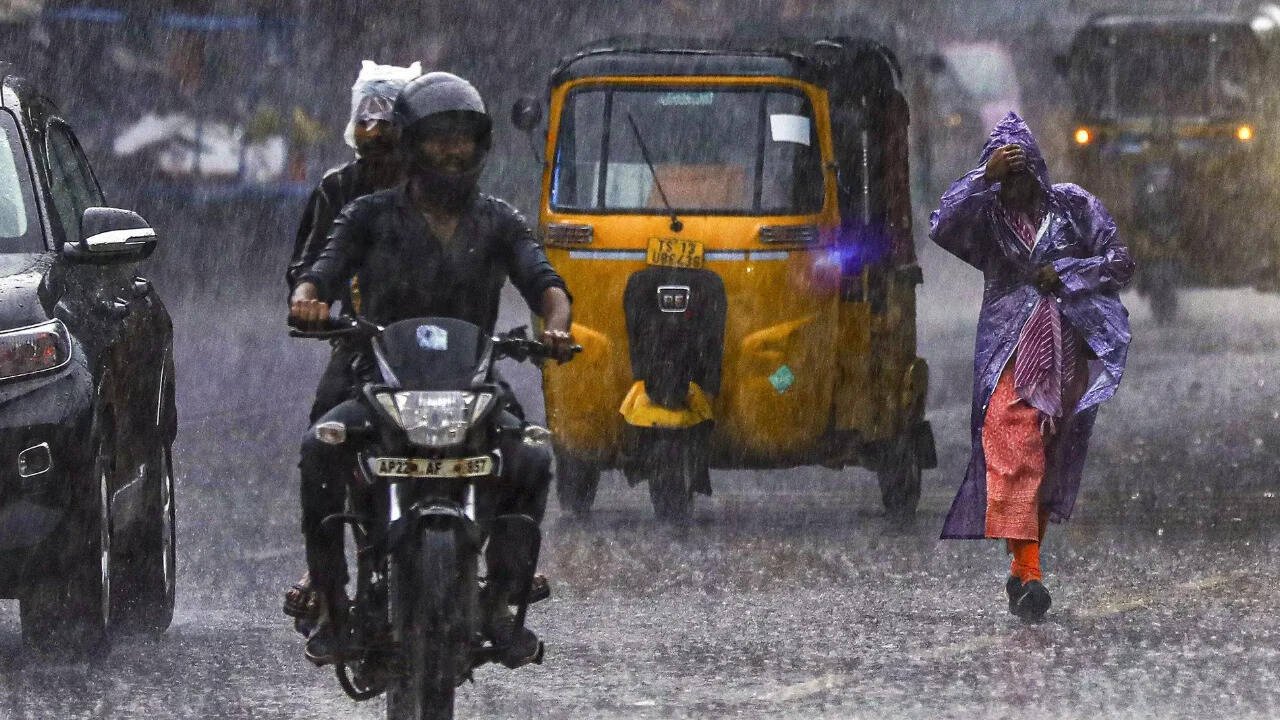
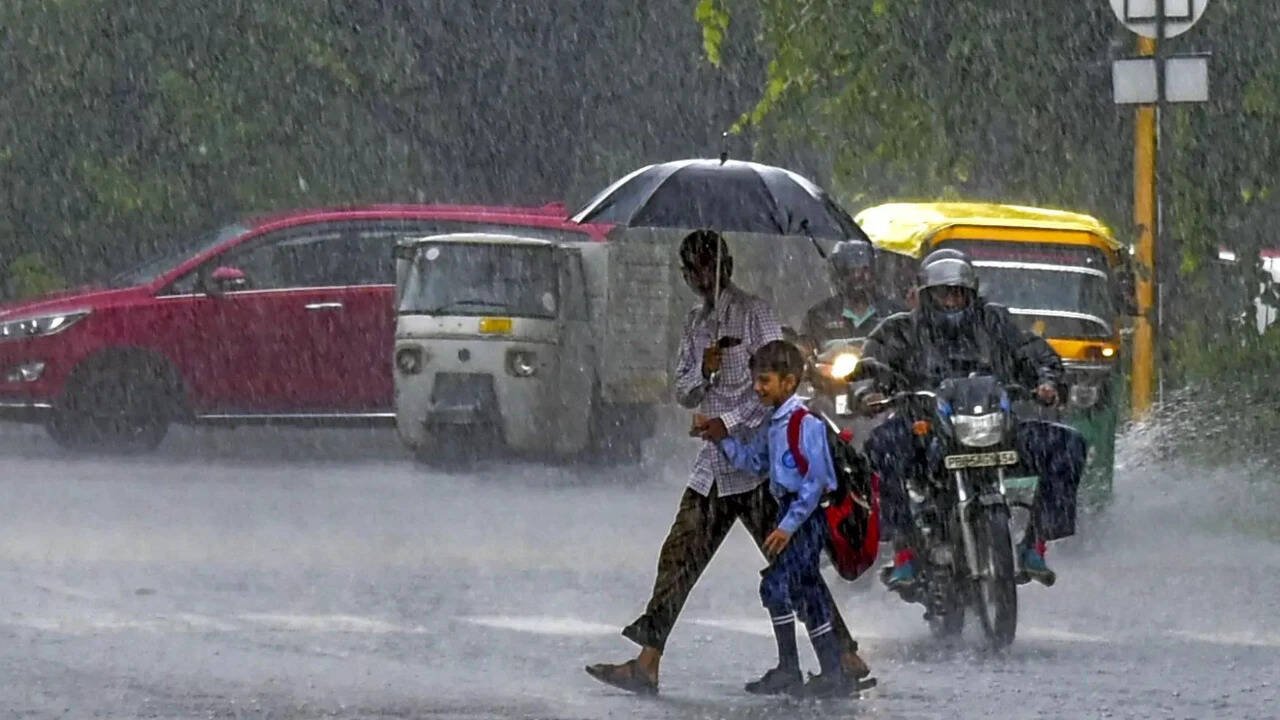
The India Meteorological Department (IMD) has issued a weather forecast indicating widespread rainfall, thunderstorms, lightning, and gusty winds across various parts of the country. According to the report from Business Vibes of India (BVI), this active weather pattern is attributed to strong monsoon activity currently affecting significant portions of the Indian subcontinent.
Regions Expected to Experience Heavy Rainfall
The weather department has identified specific areas where the monsoon's impact is expected to be more pronounced. According to the IMD, the following regions are currently seeing strong monsoon activity:
- Central India
- Eastern India
- Northeastern India
- The Western Himalayan region
In addition to these broad areas, the IMD has issued a specific forecast for Saturday, warning of isolated heavy rainfall in the following locations:
- Delhi
- Haryana
- Chandigarh
- Punjab
Understanding the Forecasted Weather Conditions
The IMD's advisory covers a range of meteorological phenomena that are expected to accompany the rainfall. Residents in the affected areas should be prepared for:
- Thunderstorms: Often associated with rapid vertical air movement, these can lead to sudden changes in local weather.
- Lightning: A frequent hazard during monsoon thunderstorms that requires caution.
- Gusty Winds: Sudden, strong bursts of wind that can accompany the rainfall.
The term "isolated heavy rainfall" used by the weather department indicates that while heavy rain is expected, it will likely be confined to specific, localized areas rather than occurring uniformly across an entire state or territory. This distinction is important for those living in Delhi, Haryana, Chandigarh, and Punjab as they prepare for the conditions forecasted for Saturday.
Context of Current Monsoon Activity
The current weather outlook is driven by persistent monsoon systems that are maintaining their strength over the central, eastern, and northeastern parts of the country, as well as the western Himalayan belt. The IMD continues to monitor these systems to provide updated information to the public.
As this is a developing weather situation, residents in the affected regions are advised to stay tuned to local updates and official communications from the India Meteorological Department for any changes in the forecast.