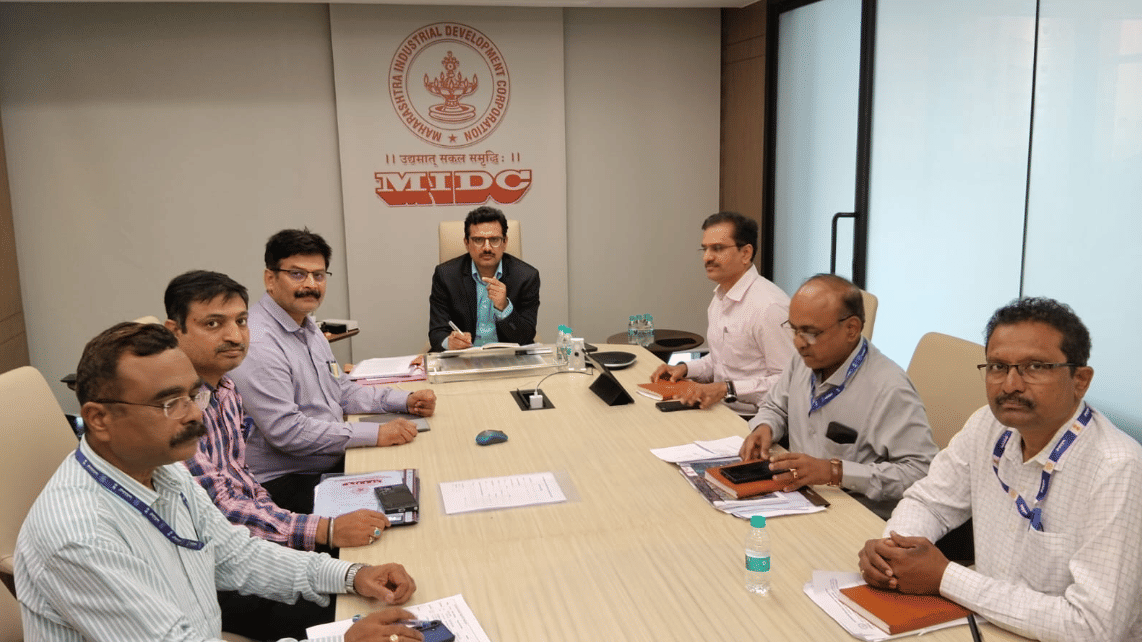
Industrial Crisis in Chakan: Automotive Giants Demand Structural Overhaul Over 'Band-Aid' Fixes
The industrial landscape of Chakan, long heralded as the crown jewel of Maharashtra’s automotive manufacturing sector, is currently facing a critical inflection point. A collective of at least 20 major automotive companies—ranging from original equipment manufacturers (OEMs) to high-tier component suppliers—has formally petitioned the Maharashtra state government, signaling a profound dissatisfaction with the region’s deteriorating infrastructure. The core of their grievance is not merely the presence of operational bottlenecks, but the government’s historical reliance on temporary, "band-aid" solutions that fail to address systemic failures in logistics, power stability, and urban planning.
For decades, Chakan has served as a strategic hub, benefiting from its proximity to the port city of Mumbai and the industrial ecosystem of Pune. However, as global supply chains become increasingly lean and demand for "just-in-time" manufacturing intensifies, the region’s aging infrastructure has struggled to keep pace. The letter submitted to state authorities underscores a growing trend of corporate disillusionment, with firms openly contemplating the relocation of future production capacity to neighboring states that offer more robust logistical frameworks and proactive industrial governance.
Infrastructure Deficits and the Productivity Gap
The primary friction points identified by the automotive coalition center on the chronic degradation of road networks, inadequate public transportation for the massive workforce, and inconsistent utility delivery. In an industry where a delay of mere hours can disrupt a multi-million-dollar production line, the current state of Chakan’s connectivity is being viewed as a significant liability.
The manufacturers argue that the current approach—which often involves patchwork road repairs and reactive maintenance—is insufficient for a modern manufacturing cluster. These issues create a cascading effect: heavy vehicle congestion increases fuel consumption and transit times, while unreliable power supply and water management systems disrupt the precision required for automated manufacturing processes. As a result, the "cost of doing business" in Chakan has risen sharply, eroding the competitive advantage the state once enjoyed. The coalition is now demanding a dedicated special cell, comprised of both government officials and industry stakeholders, to oversee the long-term planning and execution of heavy-duty infrastructure projects that can withstand the rigors of high-volume industrial activity.
The Threat of Industrial Migration
The warning issued by the 20 companies is a clear indicator that the "Maharashtra model" of industrial growth is being challenged by regional competitors. As other states aggressively court automotive investment with promises of "plug-and-play" industrial parks, simplified regulatory clearances, and modern logistical corridors, Chakan’s status as a default destination is no longer guaranteed.
The potential exodus of these firms would be more than a loss of tax revenue; it would trigger a significant contraction in the local economy. The Chakan automotive cluster is the lifeblood of the surrounding rural and semi-urban economy, supporting thousands of small-scale enterprises, service providers, and a vast labor market. If major OEMs shift their assembly lines and R&D centers, the ripple effects would be felt across the entire regional supply chain, potentially leading to widespread job losses and a stagnation of secondary markets that have blossomed in the shadow of the auto industry. The manufacturers’ demand for a special cell represents a final attempt to engage in a collaborative solution before they seek more stable environments for their capital investments.
What This Means for Farmers
The crisis in the Chakan automotive hub carries significant implications for the local agricultural community and rural landowners in the Pune-Chakan periphery:
- Land Value Volatility: For years, farmers in the region have benefited from rising land prices as industrial demand expanded. A potential decline in industrial growth could lead to a cooling of real estate demand, impacting those who viewed their land as a long-term financial asset.
- Market Disruption: Many farmers in the vicinity have diversified their income by supplying services to the industrial workforce, including housing, transport, and food services. A mass migration of industry would directly threaten these secondary income streams.
- Resource Competition: The ongoing tension over infrastructure—particularly water and land-use rights—often pits industrial interests against agricultural needs. A structural overhaul of the region, if handled poorly, could further strain the availability of water for irrigation, as industrial zones demand priority access.
- Economic Diversification: The current situation serves as a stark reminder of the risks of over-reliance on a single industrial sector. For the local agricultural community, this highlights the necessity of maintaining robust, independent farming practices rather than becoming entirely dependent on the fluctuating fortunes of the urban-industrial corridor.