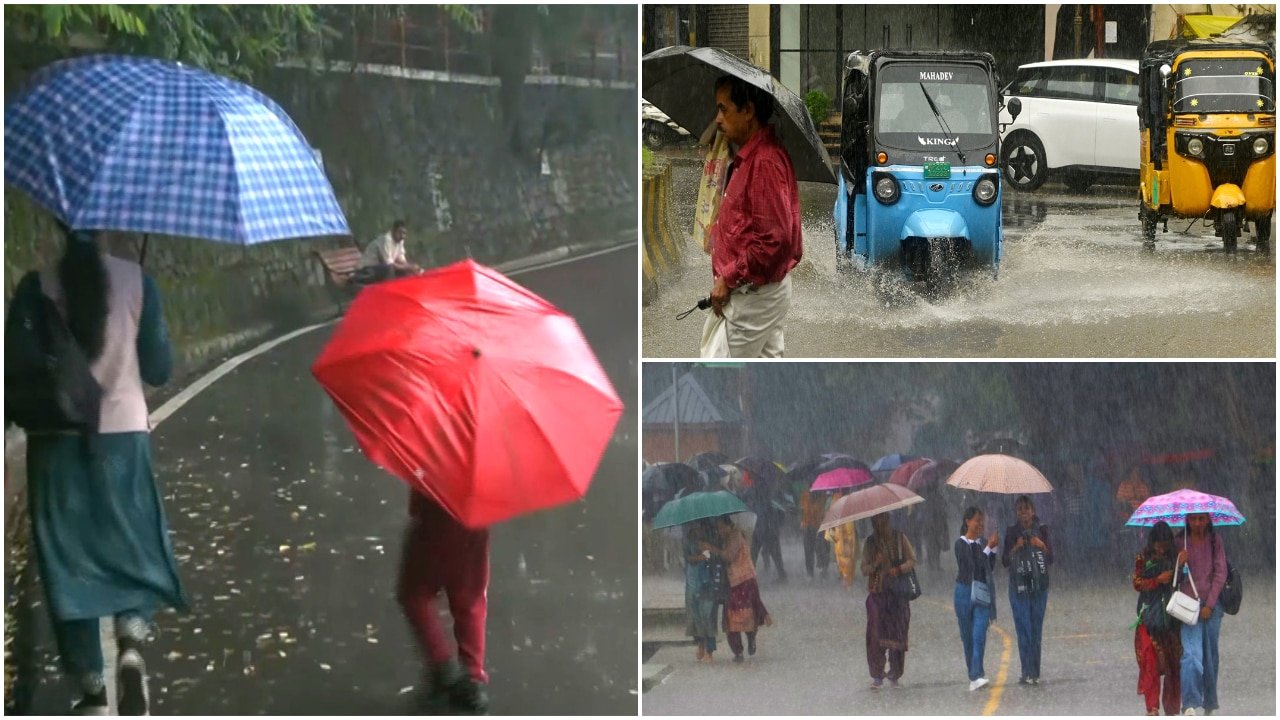
IMD Issues Yellow Alert Across 17 Maharashtra Districts: Farmers Advised to Exercise Caution
The India Meteorological Department (IMD) has issued a yellow alert for 17 districts across Maharashtra, signaling a period of heightened weather activity. The alert, which encompasses a wide geographic spread from the Konkan coast to the Vidarbha and Marathwada regions, highlights the potential for localized heavy rainfall, thunderstorms, and accompanying gusty winds. As the state moves through a critical phase of the agricultural cycle, this meteorological shift has prompted local authorities and agricultural extension services to urge farmers to remain vigilant.
The districts currently under the yellow alert include Ratnagiri and Sindhudurg in the Konkan belt; Kolhapur, Sangli, and Solapur in Western Maharashtra; Hingoli, Nanded, Latur, and Dharashiv in Marathwada; and a significant cluster in the Vidarbha region, specifically Bhandara, Chandrapur, Gadchiroli, Gondia, Nagpur, Wardha, and Yavatmal. The IMD’s classification serves as a cautionary notice for residents and the farming community to prepare for sudden weather fluctuations that could disrupt field operations and impact standing crops.
Understanding the Meteorological Drivers
The current weather instability is largely attributed to the interaction of moisture-laden winds and localized atmospheric low-pressure systems moving across the central Indian landmass. These systems are known for creating convective clouds that lead to intense, short-duration downpours. In the Vidarbha and Marathwada regions, where the land is often parched or in the midst of specific irrigation cycles, these sudden rains can lead to rapid soil saturation.
For the Konkan districts of Ratnagiri and Sindhudurg, the coastal geography introduces an additional layer of complexity. Marine-influenced weather patterns often intensify the impact of these systems, potentially leading to higher precipitation levels than those seen in the interior districts. Meteorologists emphasize that a yellow alert is intended to facilitate preparedness; while it does not always imply widespread disaster, it indicates a high probability of weather conditions that could significantly deviate from the seasonal average, necessitating a proactive approach to resource management.
Agricultural Vulnerabilities and Regional Impacts
The timing of this weather shift is particularly critical for farmers managing diverse cropping systems. In regions such as Nagpur and Yavatmal, where cotton and soybean cultivation are dominant, sustained rainfall or high-velocity winds can lead to lodging—the bending or breaking of stalks—which directly reduces yield potential and complicates mechanical harvesting. Furthermore, sudden moisture spikes in maturing crops increase the risk of fungal infections and pest outbreaks, which thrive in humid, post-rain environments.
In the Marathwada belt, including Latur and Dharashiv, farmers are often more concerned with the impact of sudden showers on harvested produce that may be stored in open yards or drying floors. The lack of adequate moisture-controlled storage infrastructure means that unseasonal rain can quickly lead to post-harvest losses, grain discoloration, and a subsequent drop in market value. The IMD’s advisory serves as a vital signal for these growers to secure their produce and ensure that water drainage channels in fields are clear to prevent waterlogging, which can suffocate root systems.
What This Means for Farmers
For the farming community across the 17 affected districts, the yellow alert necessitates immediate, actionable steps to mitigate potential losses:
- Secure Harvested Produce: If crops have already been harvested and are currently being dried or stored in open areas, prioritize moving them to covered, moisture-proof facilities. Utilize tarpaulins as an immediate secondary measure if indoor storage is unavailable.
- Field Drainage Management: Inspect and clear field drainage channels to prevent water stagnation. Excess water in the root zone can lead to nutrient leaching and root rot, particularly in low-lying areas of the farm.
- Monitor for Pests and Disease: Post-rain periods are prime conditions for the rapid spread of fungal pathogens and pests. Farmers should conduct thorough field scouting 48 hours after the weather event and be prepared to implement preventative phytosanitary measures if signs of distress appear.
- Operational Scheduling: Avoid the application of fertilizers, pesticides, or herbicides immediately before or during the predicted window of rainfall. Precipitation will likely wash these inputs away, leading to both economic loss and potential environmental runoff.
- Stay Informed: Continue to monitor district-level updates from the IMD and local Krishi Vigyan Kendras (KVK). Regional weather patterns can shift rapidly, and localized forecasts are the most reliable tool for making day-to-day farm management decisions during volatile weather periods.