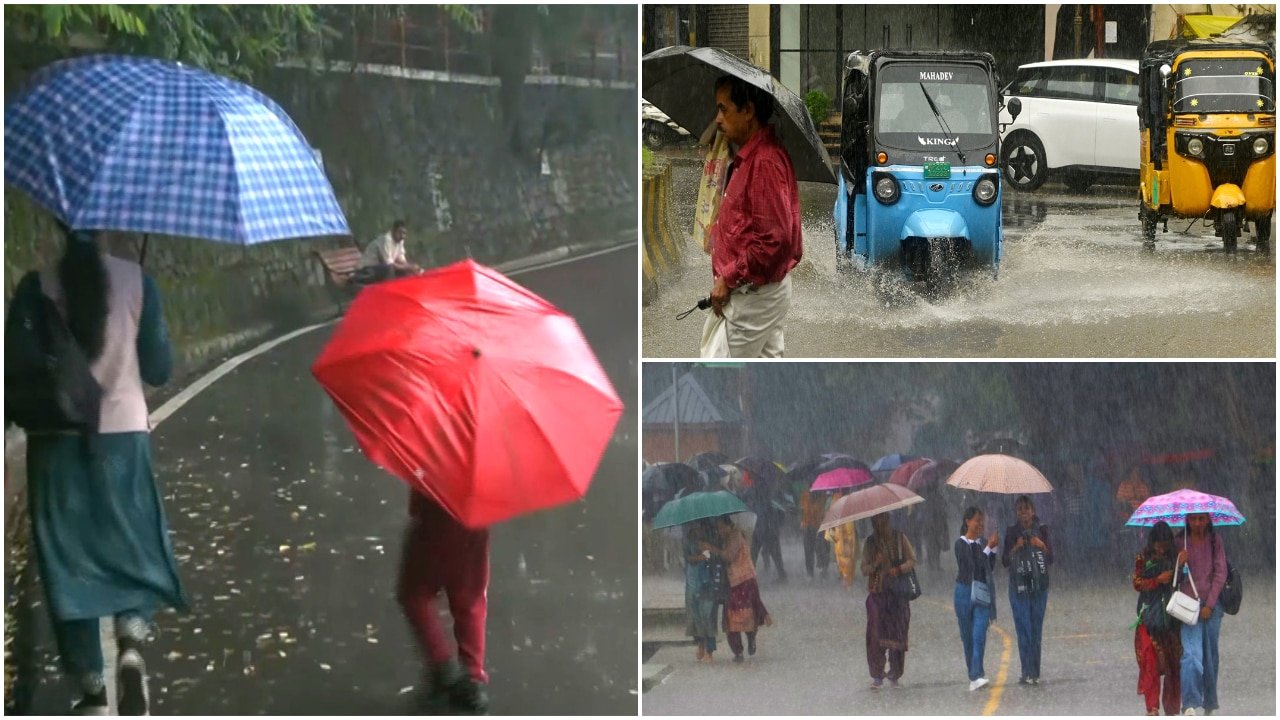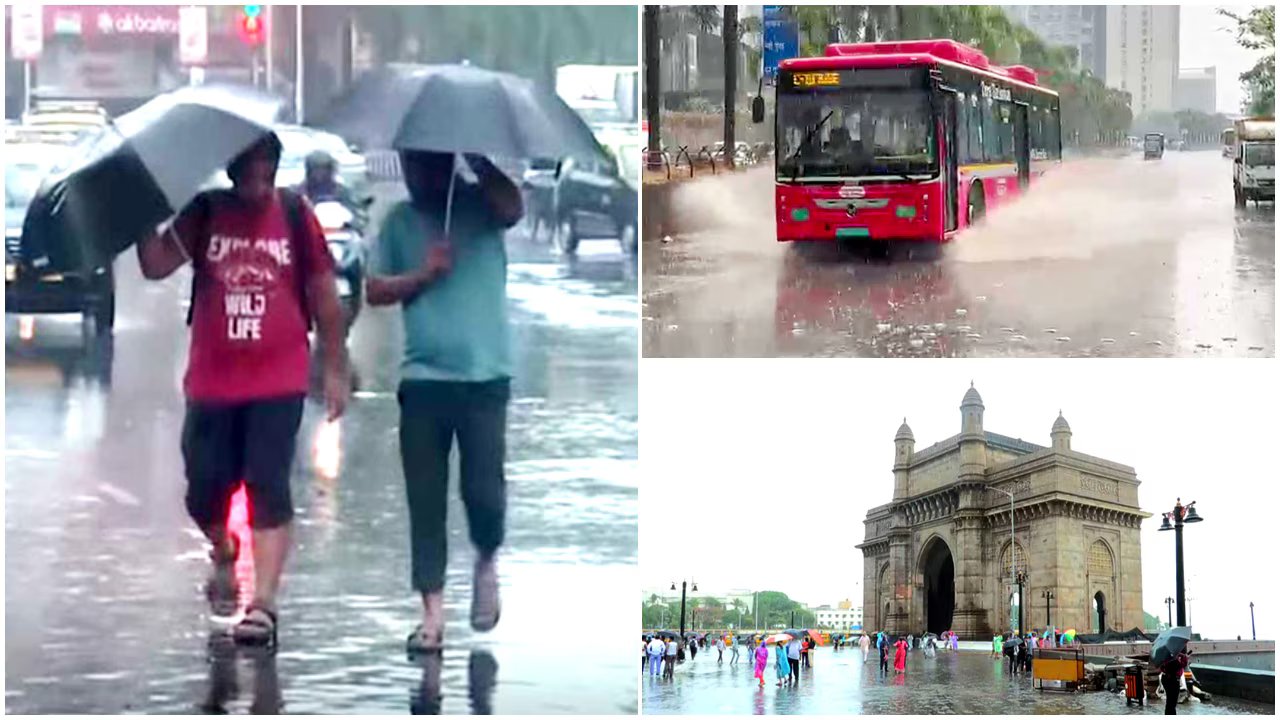
Heavy Rainfall Alert Issued Across Maharashtra: IMD Predicts Widespread Precipitation
The India Meteorological Department (IMD) has issued a comprehensive weather warning for Maharashtra, signaling an intensification of monsoon activity across several key regions. As of August 12, the meteorological agency has placed Mumbai, Thane, and the surrounding Kalyan-Dombivli belt under a high-alert status, citing expectations of heavy to very heavy rainfall. This weather pattern, driven by an active offshore trough and moisture-laden winds from the Arabian Sea, is expected to affect a significant portion of the state, including the interior districts of Pune, Nashik, Solapur, and the coastal stretch of Ratnagiri.
The sudden uptick in precipitation has prompted local administrative bodies to evaluate the safety of public infrastructure and transportation networks. While the primary focus of the IMD forecast is on urban flooding and logistical disruptions, the agricultural sector remains under close observation as these heavy downpours coincide with critical stages of the Kharif crop cycle. Residents and stakeholders are advised to monitor official channels closely, as district collectors in the affected zones are currently reviewing local conditions to decide on the potential suspension of educational activities for the following day.
Meteorological Outlook: Regional Distribution of Rainfall
The current weather system is characterized by a multi-day spell of sustained rain, with the Konkan region and the Ghat sections of the Sahyadri mountain range expected to receive the highest accumulation. In Mumbai and the Thane-Kalyan-Dombivli corridor, the IMD has warned of potential waterlogging in low-lying areas, which could lead to significant traffic congestion and delays in suburban rail services. The intensity of these rains is expected to peak over the next 24 to 48 hours, necessitating heightened vigilance from disaster management authorities.
Moving inland, the districts of Pune and Nashik are bracing for moderate to heavy showers. While these districts often rely on monsoon rains for reservoir replenishment, the intensity of the current spell raises concerns regarding soil erosion and the potential for landslides in susceptible topographical zones. Meanwhile, in Solapur and parts of the Marathwada region, the rain is expected to be more intermittent but potentially heavy in isolated pockets. This distribution pattern suggests that while the precipitation is widespread, the severity of the impact will vary significantly based on the local topography and drainage capacity of each district.
Agricultural Implications and Crop Management
The monsoon season is the lifeline of Maharashtra’s agrarian economy, but the timing and intensity of rainfall are decisive factors for harvest success. For farmers in the Kharif-dominant regions of Nashik and Pune, this heavy rainfall brings a dual-edged reality. On one hand, the increased moisture is essential for the water-intensive stages of crops such as paddy and sugarcane. On the other hand, prolonged saturation of the soil profile can lead to waterlogging, which stifles root aeration and increases the risk of fungal infections and root rot.
In regions where crops are currently in the vegetative growth stage, such as cotton and soyabean, excessive water can cause nutrient leaching, particularly of nitrogen, which is vital for plant development. Agronomists suggest that farmers should prioritize field drainage to prevent water accumulation around the base of the plants. Furthermore, the high humidity associated with heavy rain creates an ideal environment for pests and diseases. Farmers are encouraged to monitor their fields for signs of blight or bacterial leaf spots, which often proliferate during extended periods of high humidity and rainfall.
What This Means for Farmers
For the farming community, the current IMD warning serves as a prompt for immediate risk mitigation. The most critical advice for producers is to ensure that field drainage channels are clear and unobstructed to prevent standing water, which remains the primary threat to crop health during heavy rain events. If fields have become waterlogged, farmers should avoid heavy machinery traffic, as soil compaction during saturated conditions can severely damage soil structure and long-term fertility.
Economically, the impact of these rains will be felt in the logistics of crop movement. Farmers planning to transport perishable produce to Agricultural Produce Market Committee (APMC) yards should prepare for potential delays in transit due to road waterlogging and reduced visibility. It is advisable to coordinate with local traders and logistics providers to assess route viability before moving sensitive harvests.
Finally, farmers should maintain regular contact with their local Krishi Vigyan Kendra (KVK) or extension officers for localized advisories. As the meteorological situation evolves, the focus must remain on protecting existing crop stands through proactive field management and ensuring that personal safety protocols are followed during severe weather events. By staying informed of daily IMD bulletins, farmers can make data-driven decisions that safeguard their yields against the volatility of the monsoon.