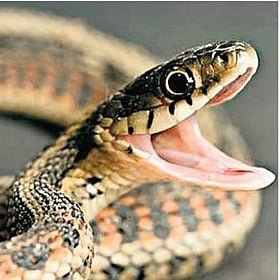
Expanding the Scope of Snakebite Management in India
A significant shift in how India approaches the critical public health issue of snakebites is underway. According to the National Action Plan for Snakebite Envenoming, the traditional focus on a limited group of snakes is being re-evaluated to better address the realities of venomous encounters across the country.
For years, medical and public health discourse in India has been dominated by the concept of the "Big Four"—a term used to describe the four most common snake species responsible for the majority of recorded snakebite cases. However, recent policy developments indicate that this narrow focus is no longer considered sufficient for comprehensive snakebite management.
Recognising 23 Medically Important Species
The National Action Plan for Snakebite Envenoming has officially expanded its recognition to include 23 medically important snake species. This move acknowledges that the diversity of venomous snakes across different regions of India poses a broader threat than previously emphasized under the traditional framework.
The transition from focusing solely on the "Big Four" to a wider list of 23 species is a major development in the strategic approach to treating snakebite envenoming—the medical condition that occurs when a person is injected with venom through a snake bite. By identifying a larger number of species that pose a significant medical risk, health authorities aim to improve diagnostic accuracy and clinical outcomes for patients.
Why the Shift Matters
The classification of "medically important" species is essential for several reasons:
- Clinical Accuracy: Knowing which species is responsible for a bite allows healthcare providers to better anticipate symptoms and complications.
- Treatment Strategy: It influences the development and distribution of effective anti-venoms, ensuring that medical facilities are equipped to handle a wider variety of toxicities.
- Public Awareness: Expanding the list helps in educating the public about the presence of various venomous species beyond the most commonly cited ones.
By moving beyond the limitations of the "Big Four," the national plan seeks to create a more robust framework for reducing mortality and morbidity associated with snakebites. The inclusion of 23 species reflects a more nuanced understanding of the ecological and medical landscape of venomous snakes in India.
Understanding Snakebite Envenoming
Snakebite envenoming is a complex medical emergency. When a venomous snake bites, it can inject a cocktail of toxins that may affect a victim's nervous system, blood clotting ability, or local tissue, depending on the species involved.
The recognition of 23 species by the National Action Plan highlights the need for specialized knowledge in medical settings. As the country works to mitigate the impact of these encounters, the updated list serves as a foundation for future research, medical training, and public health policy. This comprehensive approach is designed to ensure that the response to snakebites is as diverse and geographically relevant as the snake populations themselves.