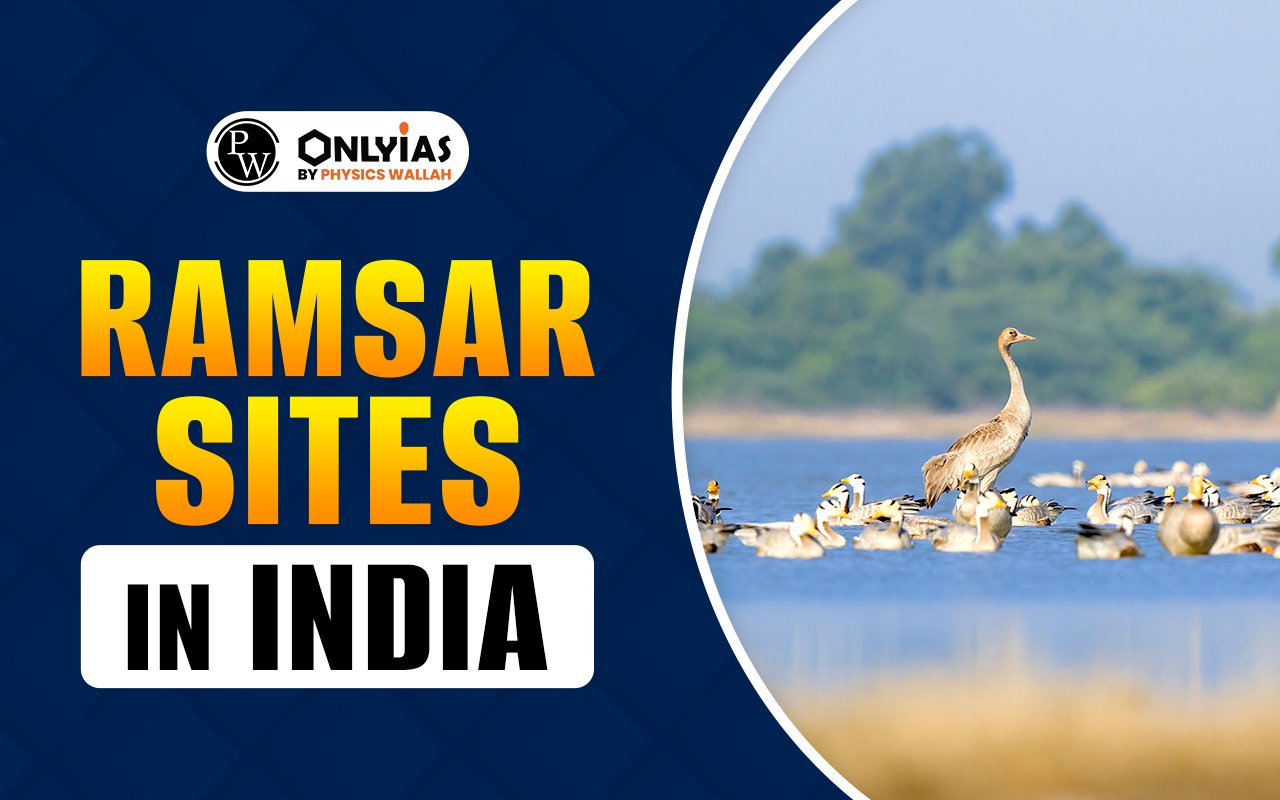
India Reaches Milestone: 100 Wetlands Designated as Ramsar Sites of International Importance
India’s commitment to biodiversity conservation and sustainable land management has achieved a historic milestone as of February 2026, with the total number of Ramsar sites across the country reaching 100. This designation, granted under the international Ramsar Convention on Wetlands, recognizes these areas as ecosystems of significant global importance, particularly for their role in sustaining migratory bird populations, maintaining water tables, and supporting unique biological diversity.
The latest expansion includes the formal recognition of the Patna Bird Sanctuary in Etah, Uttar Pradesh, and the Chhari-Dhand wetland in the Kutch district of Gujarat. These additions reflect a strategic, nationwide effort to identify and protect diverse aquatic habitats ranging from inland freshwater marshes to arid-zone salt pans. By bringing the national tally to 100, India reaffirms its position as a global leader in wetland conservation, balancing the demands of agricultural development with the urgent necessity of ecological preservation.
Understanding the Significance of Ramsar Designation
The Ramsar Convention is an intergovernmental treaty that provides the framework for the conservation and wise use of wetlands and their resources. For a site to be designated as a "Wetland of International Importance," it must meet specific criteria, such as supporting vulnerable, endangered, or critically endangered species, or providing a critical habitat for plants and animals at a crucial stage of their biological cycles.
The inclusion of sites like Chhari-Dhand—a seasonal desert wetland in Gujarat—highlights the importance of ephemeral water bodies in supporting biodiversity in arid climates. Similarly, the Patna Bird Sanctuary in Uttar Pradesh serves as a vital corridor for migratory avian species, demonstrating how inland wetlands act as essential stopovers. These sites are not merely passive landscapes; they are active biological engines that filter water, sequester carbon, and provide a buffer against extreme weather events such as floods and droughts.
Geographic Distribution and State-Wise Conservation Efforts
The current map of India’s 100 Ramsar sites shows a broad distribution across the subcontinent, illustrating that wetland conservation is a priority in both coastal and landlocked states. While states like Tamil Nadu, Uttar Pradesh, and Odisha have historically led the way in the number of designated sites, the recent additions in Gujarat and the expansion across northern India indicate a more comprehensive approach to mapping the country’s hydrological heritage.
This state-wise expansion is supported by collaborative efforts between the Ministry of Environment, Forest and Climate Change and local agricultural and irrigation departments. By integrating these wetlands into national land-use policy, the government aims to prevent the encroachment of industrial and urban development into sensitive zones. The mapping of these sites allows for better monitoring of water quality, invasive species management, and the protection of natural drainage basins that feed into surrounding agricultural landscapes.
What This Means for Farmers
The rapid expansion of Ramsar-designated wetlands carries significant implications for the agricultural sector, particularly for those farming in the proximity of these sites. While some may view conservation as a restriction on land use, the long-term benefits for the farming community are substantial:
- Improved Water Security: Wetlands act as massive sponge-like reservoirs, recharging groundwater aquifers that farmers rely on for irrigation during the dry season. Protecting these sites helps stabilize water tables in adjacent agricultural areas.
- Natural Pest Control: Many Ramsar sites serve as breeding grounds for insectivorous birds and predatory species. By maintaining these natural habitats, farmers can benefit from reduced reliance on chemical pesticides, as these wildlife populations help keep agricultural pest levels in check.
- Soil Fertility and Nutrient Cycling: Wetlands play a critical role in filtering agricultural runoff, trapping sediments and excess nutrients before they reach broader water systems. This natural filtration process can help maintain the health of local watersheds, reducing the risk of eutrophication in irrigation channels.
- Sustainable Tourism and Ecotourism Opportunities: For communities surrounding these sites, there is increasing potential for income diversification through eco-tourism. Farmers can explore sustainable practices that cater to nature-based tourism, such as organic farming or providing local guidance, creating a secondary revenue stream that is independent of crop yields.
- Regulatory Compliance and Stewardship: Farmers operating near Ramsar sites are encouraged to engage with local environmental authorities to adopt best management practices. This includes minimizing the use of synthetic fertilizers near water bodies and maintaining natural vegetative buffers, which can improve the overall sustainability and market value of their produce in an era of increasing demand for environmentally conscious agricultural products.
Ultimately, the milestone of 100 Ramsar sites serves as a reminder that agricultural productivity and ecological health are inextricably linked. By safeguarding these 100 vital ecosystems, India is not only preserving its natural heritage but also securing the hydrological foundation upon which its agricultural future depends.