Gujarat’s Strategic Shift: Viewing Lion Conservation as a Pillar of Ecosystem Health
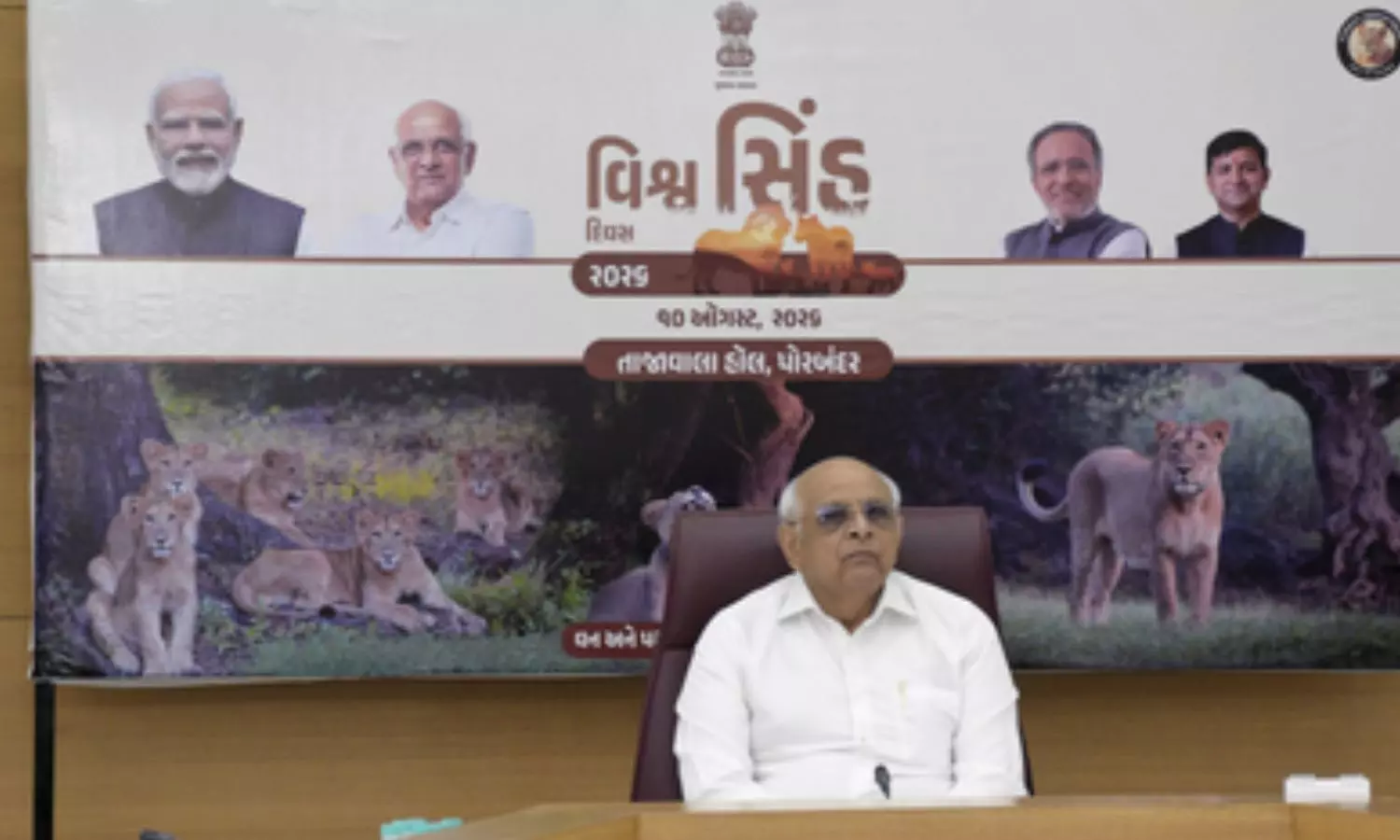
The conservation of the Asiatic lion in Gujarat has long been lauded as a global success story in wildlife management. However, recent statements from the state leadership signal a fundamental shift in how this objective is perceived and executed. During a recent celebration held at Tajawala Hall in Porbandar, Chief Minister Bhupendra Patel emphasized that the ongoing initiatives to protect the lion population are not isolated efforts. Instead, they represent a holistic commitment to safeguarding the entire ecological fabric of the region.
By framing lion conservation as a cornerstone of environmental stewardship, the government is moving away from a narrow focus on population counts. While the numerical growth of the pride is an important metric, the state’s current policy framework suggests that the lion is viewed as an "umbrella species." Protecting the lion requires the preservation of its habitat, which in turn benefits the diverse flora and fauna that share the landscape. This integrated approach acknowledges that the health of the predator is inextricably linked to the vitality of the ecosystem as a whole, from the grasslands and forests to the water resources that sustain both wildlife and human communities.
The Ecological Interdependence of Habitat and Wildlife
The Asiatic lion serves as a critical indicator of habitat quality. When conservationists invest in the protection of lion corridors and territories, they are effectively safeguarding vast tracts of land that provide essential ecosystem services. These services include soil erosion control, groundwater recharge, and the maintenance of biodiversity that supports local agriculture. The state’s vision, as outlined by the Chief Minister, involves managing these landscapes in a way that balances the needs of a growing apex predator population with the ecological requirements of the scrublands and dry deciduous forests of the Saurashtra region.
This broader conservation strategy acknowledges that a flourishing lion population requires a robust prey base, which in turn necessitates healthy grazing lands and protected forest patches. By focusing on the ecosystem, the state is addressing the structural integrity of the natural environment. This includes efforts to curb habitat fragmentation and ensure that human-wildlife interfaces are managed with sustainable land-use practices. Such a strategy is essential for long-term climate resilience, as healthy, intact ecosystems are better equipped to withstand the pressures of fluctuating weather patterns and environmental stressors.
Synergy Between Conservation and Human Landscapes
The success of this comprehensive model relies heavily on the integration of local communities. Because lions in Gujarat frequently traverse areas near human settlements and agricultural fields, the "entire ecosystem" approach must necessarily include the people living within or adjacent to these habitats. The government’s emphasis on ecosystem protection implies a commitment to mitigating human-wildlife conflict through better land management and community awareness, rather than treating the lion as a separate entity confined solely to protected areas.
This perspective fosters a symbiotic relationship between agricultural productivity and wildlife conservation. When the ecosystem is treated as a unified whole, the focus shifts toward sustainable grazing practices, the protection of local water bodies, and the maintenance of natural buffers. By valuing the landscape for its ecological services, the state is encouraging a land-use philosophy that benefits the lion while simultaneously ensuring that the land remains productive and sustainable for local livelihoods.
What This Means for Farmers
For the farming community in Gujarat, the shift toward a holistic ecosystem-based conservation model carries significant practical implications:
- Enhanced Natural Resource Management: As the state prioritizes the health of the entire ecosystem, farmers may see increased support for sustainable land-use practices that improve soil moisture retention and prevent land degradation. Healthy, well-managed ecosystems often act as natural barriers against extreme weather events.
- Economic Opportunities in Ecotourism: The branding of the region as a protected, high-value ecological zone can open doors for community-based ecotourism. Farmers situated near corridors may find new revenue streams through farm-stays or wildlife-related services, diversifying their income beyond traditional crop production.
- Mitigation and Coexistence Support: A policy centered on the "entire ecosystem" acknowledges the reality of human-wildlife proximity. Farmers should expect continued focus on proactive measures, such as improved fencing, better lighting, and rapid-response support systems, designed to minimize conflict and protect livestock.
- Long-term Sustainability: By preserving the ecological integrity of the region, the state is indirectly supporting agricultural sustainability. A balanced ecosystem helps maintain local biodiversity, which is essential for natural pest control and the health of the pollinators upon which many local crops depend.
Ultimately, the Chief Minister’s message serves as a reminder that the lion is not just a symbol of pride, but an anchor for an environmental stability that supports the entire agricultural economy of the region. Farmers are encouraged to view conservation initiatives as a collaborative effort that, when managed correctly, protects the natural capital upon which their own livelihoods depend.