Understanding the Challenge of Water Management in India
When analyzing the geographical landscape and the diverse weather patterns across the Indian subcontinent, a significant perspective emerges regarding the nation’s water security. According to a report from Op India, the prevailing discourse surrounding water scarcity in the country may be fundamentally misunderstood. Rather than being defined by an absolute or inherent lack of water resources, the report suggests that the core issue facing the nation is rooted in the complexities of water management.
This distinction is critical for understanding the ongoing discussions regarding the infrastructure and policies required to address hydrological challenges. By shifting the focus from a narrative of "natural shortage" to one of "management," the conversation moves toward how existing resources are captured, stored, and distributed across different regions.
The Perspective on Natural Water Availability
The core assertion presented by Op India is that India's geography does not inherently dictate a state of water deprivation. This viewpoint challenges the common assumption that the country simply lacks the necessary volume of water to meet its needs. Instead, the report highlights that the primary hurdle is how the country manages the water that is available.
Water management encompasses the entire lifecycle of water usage, including:
- Collection: How rainwater and river flows are captured during peak seasons.
- Storage: The capacity of reservoirs and infrastructure to hold water for drier periods.
- Distribution: The systems in place to transport water from areas of surplus to areas of scarcity.
- Efficiency: The methods used to minimize waste and ensure equitable access.
Why Management Remains the Central Issue
According to the report, the emphasis on management suggests that the solution to water-related difficulties lies in human-led interventions and systemic improvements rather than just environmental limitations. When a nation is described as having a "management crisis" rather than a "resource crisis," it implies that the potential for improvement exists within the realm of policy, infrastructure development, and logistical coordination.
By identifying the problem as one of management, the report frames the debate around the necessity of structural solutions. This perspective encourages a closer look at how current administrative and engineering frameworks can be optimized to better align with the natural variability of India’s climate.
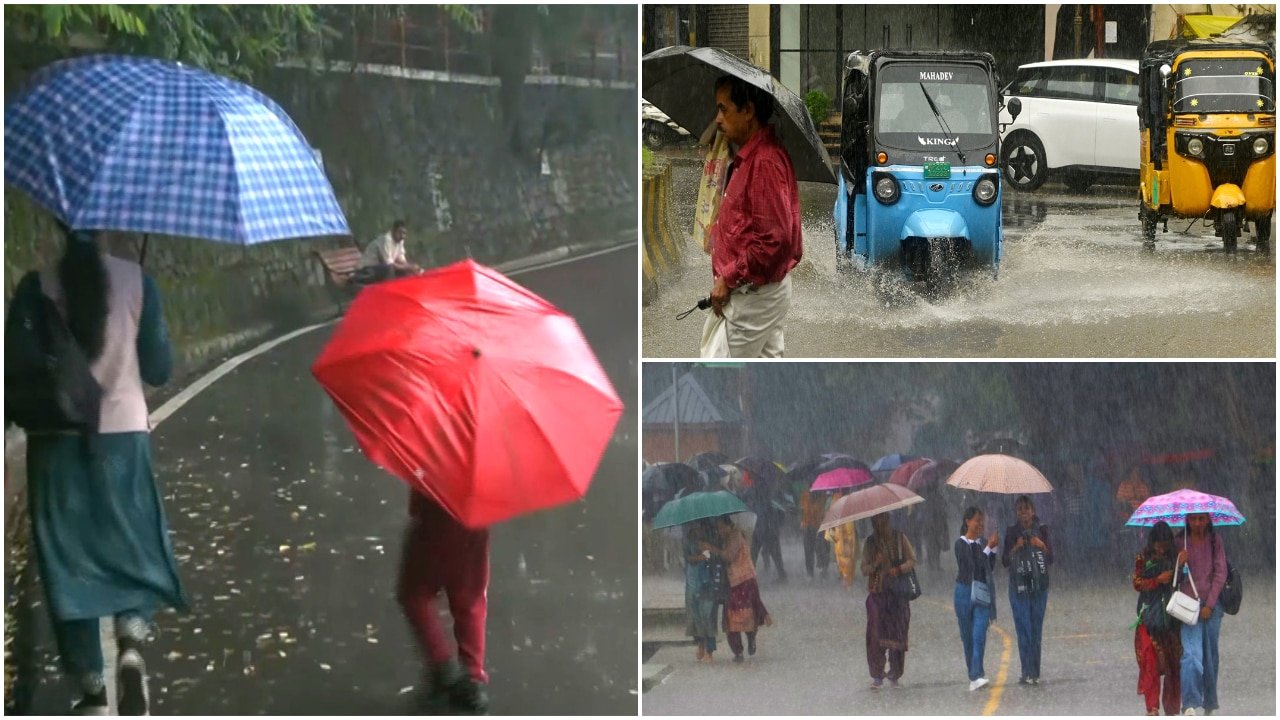
When you look closely at India's Geography and weather patterns, one truth becomes immediately clear: the country does not suffer from an absolute, natural shortage of water. The true crisis lies in water management.
Implications for the Future
The report from Op India serves as a reminder that understanding the root cause of a problem is essential for effective resolution. If the challenge is indeed a matter of management, then the path forward involves addressing the logistical and structural barriers that prevent the effective utilization of available water. This approach prioritizes:
- Systemic Analysis: Evaluating how current water distribution networks function.
- Geographical Adaptation: Aligning management strategies with the specific weather and terrain profiles of different Indian regions.
- Policy Focus: Prioritizing governance and infrastructure projects that improve the reliability of water supply across the country.
In summary, the information provided underscores that the narrative surrounding India’s water security is shifting toward a more nuanced understanding of resource optimization. By focusing on management, the discourse identifies a pathway for addressing the needs of the nation through deliberate and organized systemic changes.