Widespread Rainfall Forecast Across India: IMD Issues Alert for Upcoming Days
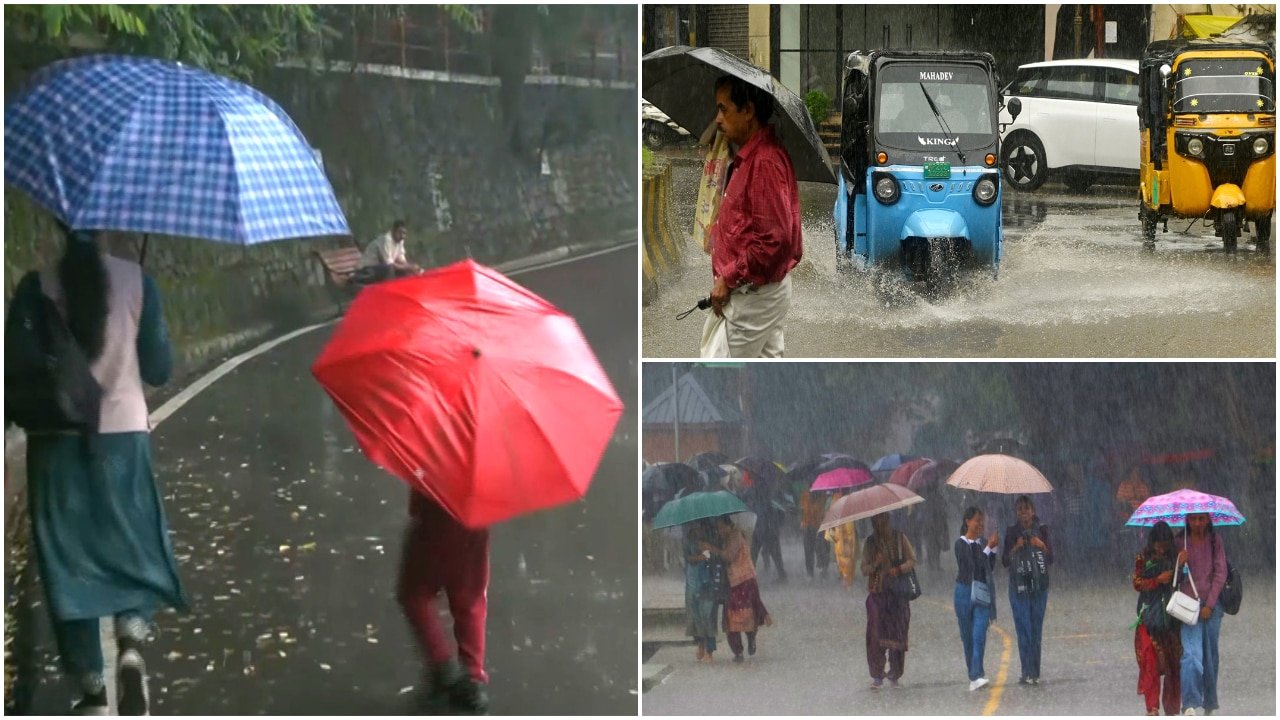
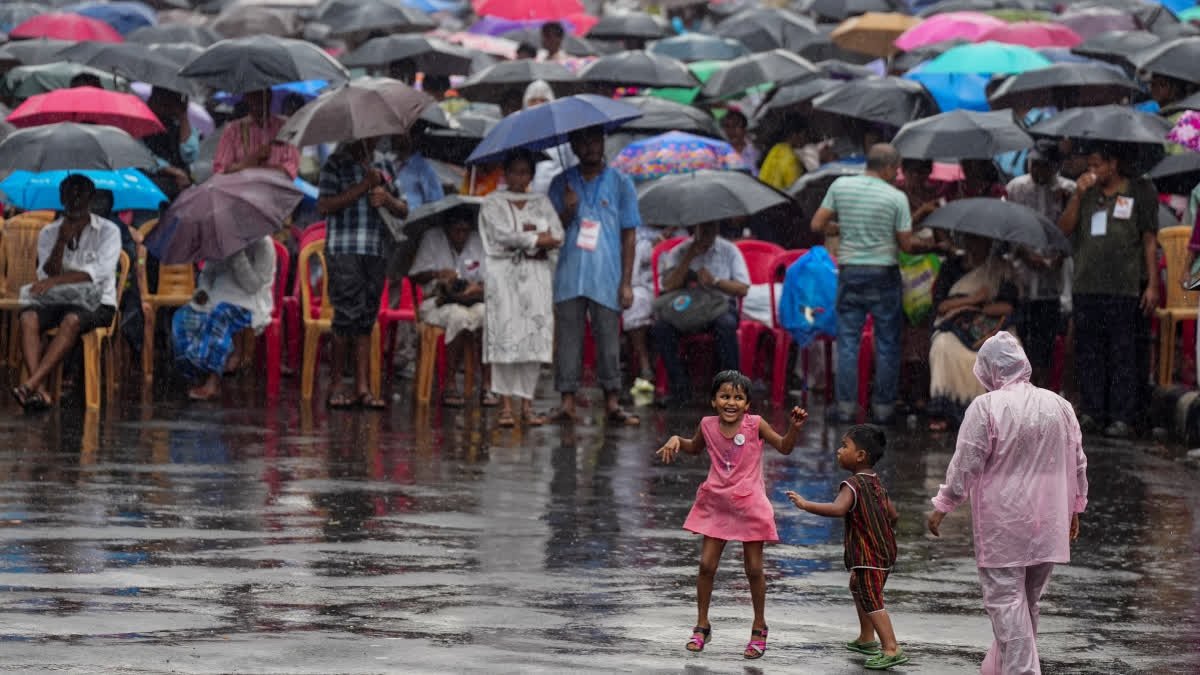
The India Meteorological Department (IMD) has issued a significant weather advisory, signaling that large swathes of the country are poised to experience another active spell of rainfall over the coming days. Following a period of fluctuating weather patterns, meteorological models indicate a renewed surge in moisture-laden winds, which is expected to bring heavy to very heavy showers to various regions. This development is being closely monitored by agricultural experts and disaster management authorities alike, as the impact of such precipitation can be both a blessing for moisture-stressed crops and a potential hazard for standing harvests.
Synoptic Conditions Driving the Precipitation
The anticipated rainfall is primarily driven by the strengthening of atmospheric circulation patterns and the movement of cyclonic systems across the subcontinent. According to the latest IMD bulletins, the moisture influx from the surrounding seas is interacting with local topographical features, leading to the formation of widespread cloud cover and intense precipitation events. These conditions are not isolated to a single geography but are expected to traverse across multiple states, impacting both the coastal belts and the interior plains.
Meteorologists note that the intensity of the rainfall is categorized under the "heavy to very heavy" bracket, meaning that localized areas may experience significant accumulation within short timeframes. This rapid onset of precipitation can lead to sudden rises in water levels in smaller tributaries and drainage channels, necessitating heightened vigilance in low-lying regions. The pattern suggests a sustained weather system that will likely influence agricultural operations across the country for the duration of the forecast period.
Regional Distribution and Potential Challenges
While the rainfall is expected to be widespread, the distribution will vary significantly based on local geography and prevailing wind directions. Certain regions that have recently faced a dry spell may benefit from this moisture, which is critical for soil health and groundwater recharge. However, for areas currently in the peak of their harvest season, the arrival of heavy rain presents a distinct set of logistical challenges.
The primary concern for regional agricultural sectors is the potential for waterlogging in fields that are currently preparing for or undergoing harvesting. Excess moisture at this stage can lead to the deterioration of crop quality, increased susceptibility to fungal pathogens, and difficulties in mechanized harvesting operations. Furthermore, sustained heavy rain can disrupt supply chains, affecting the transportation of perishables from farm gates to local mandis and urban markets. Coordination between local irrigation departments and agricultural extension services will be vital to manage drainage and mitigate potential yield losses in vulnerable tracts.
What This Means for Farmers
For the farming community, this weather update serves as a critical prompt to review field management strategies immediately. The following actions are recommended to minimize risk during this period of heightened precipitation:
- Prioritize Harvesting: If crops are at the stage of physiological maturity, farmers are advised to expedite harvesting operations where possible. If harvesting must be delayed, ensure that the produce is stored in elevated, moisture-proof structures to prevent spoilage.
- Enhance Field Drainage: Inspect and clear drainage channels around fields to prevent water stagnation. Waterlogging for extended periods can suffocate root systems and invite soil-borne diseases, particularly in sensitive vegetable and pulse crops.
- Post-Harvest Protection: For farmers who have already harvested their yield, prioritize the protection of stored grains and produce from humidity. Utilizing moisture-absorbent materials and ensuring adequate ventilation in storage facilities can prevent mold growth and mycotoxin contamination.
- Monitor Pest and Disease Vectors: High humidity and moisture levels create a conducive environment for pests and fungal infections. Farmers should remain vigilant for early signs of disease and be prepared to implement integrated pest management (IPM) practices as soon as weather conditions allow for safe application.
- Market Logistics: Anticipate potential delays in transport due to heavy rains. Farmers should communicate with local procurement centers and transport providers to reschedule deliveries if necessary, ensuring that produce is not left exposed to the elements during transit.
While the rainfall is a vital component of the hydrological cycle and essential for long-term agricultural sustainability, the immediate priority remains the protection of current assets. By staying informed through official IMD updates and taking proactive, site-specific measures, farmers can successfully navigate the challenges posed by this upcoming weather window.