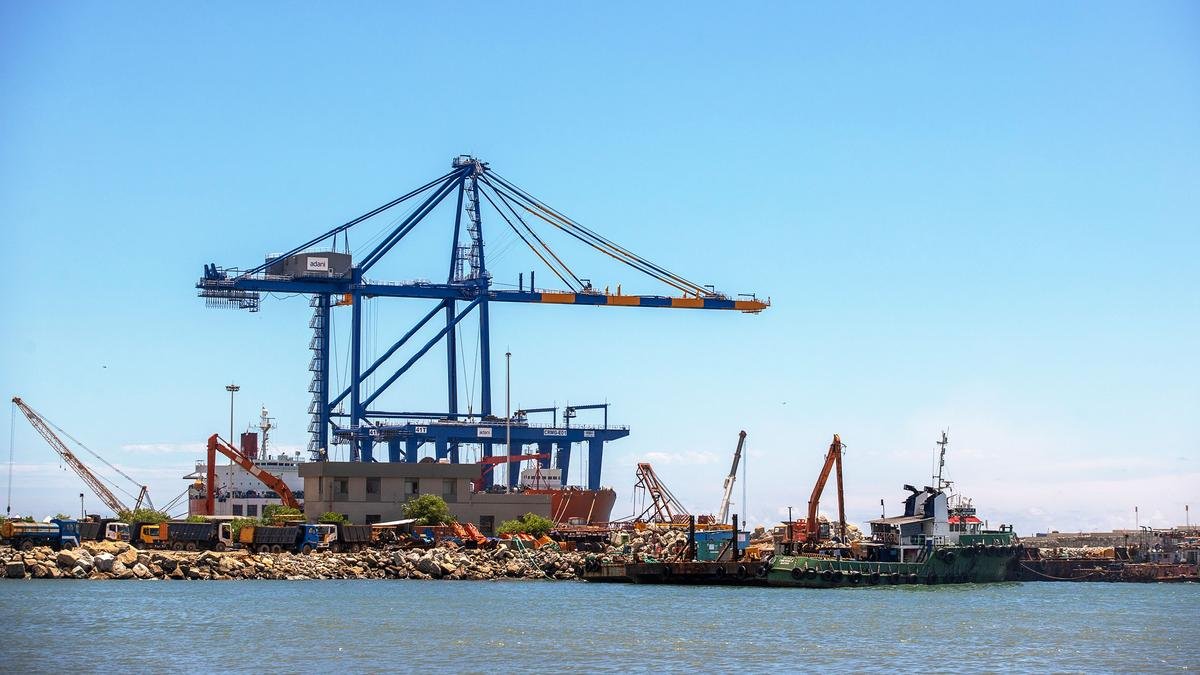
Kerala’s Maritime Ambition: A Strategic Pivot Toward Blue Economy Growth
Kerala, a state historically defined by its expansive coastline and deep-rooted connection to the Arabian Sea, is currently undertaking a transformative shift in its economic policy. By prioritizing the development of a comprehensive maritime ecosystem, the state government aims to transition from traditional port-based trade toward a sophisticated, integrated hub of logistics, maritime services, and sustainable blue economy ventures. This strategic pivot is designed to leverage Kerala’s geographical advantage to boost regional commerce, enhance infrastructure efficiency, and create a sustainable framework for long-term growth.
Infrastructure Integration and Logistics Modernization
The core of Kerala’s new maritime strategy lies in the modernization of its port infrastructure and the seamless integration of these gateways with the state’s domestic logistics network. Historically, ports in the region have functioned as isolated nodes. The new policy framework seeks to connect these hubs via improved inland waterways, dedicated freight corridors, and enhanced road connectivity. By reducing the "last mile" inefficiencies that have traditionally plagued agricultural and industrial exports, the state aims to lower logistics costs significantly.
Furthermore, the focus is shifting toward the development of specialized zones within port vicinities. These zones are intended to serve as processing centers where raw materials—both imported and locally sourced—can be refined, packaged, and prepared for international markets. This shift is expected to attract substantial private investment, particularly in the cold-chain logistics sector, which is vital for the state’s high-value agricultural exports, such as spices, seafood, and tropical produce. By creating a unified maritime ecosystem, Kerala is positioning itself as a primary gateway for international trade, effectively reducing the time-to-market for regional businesses.
Harnessing the Blue Economy for Sustainable Development
Beyond traditional cargo and logistics, Kerala is increasingly looking toward the "Blue Economy" to drive sustainable growth. This involves a multi-pronged approach that includes the promotion of sustainable aquaculture, marine biotechnology, and eco-friendly maritime tourism. As global demand for sustainably sourced seafood rises, the state is investing in infrastructure that supports high-tech fish processing and value-added marine products, which command higher premiums in global markets.
Environmental stewardship is central to this maritime vision. The expansion of port facilities is being coupled with strict adherence to sustainable practices to ensure that the ecological integrity of the coastline remains intact. This includes investments in green energy initiatives within port operations, such as shore-to-ship power supply systems and the promotion of low-emission maritime transport. By integrating sustainability into the core of its maritime policy, Kerala is not only safeguarding its natural resources but also preparing its export industries to meet the stringent environmental standards required by international trading partners in Europe and North America.
What This Means for Farmers
For the agricultural and horticultural communities of Kerala, the development of a robust maritime ecosystem offers tangible, long-term benefits. The primary impact will be the reduction of supply chain volatility. Improved port-to-hinterland connectivity means that farmers can expect more reliable access to international markets, reducing the risks associated with spoilage and delayed shipments.
Farmers should consider the following implications for their operations:
- Access to Global Markets: Enhanced maritime infrastructure facilitates the export of perishable goods. Producers of high-value crops should explore opportunities to align their production with the requirements of international certification bodies, as the new logistics hubs will prioritize traceable, high-quality agricultural exports.
- Reduced Operational Costs: As the state improves the efficiency of its logistics chain, the cost of transporting agricultural inputs—such as fertilizers and specialized machinery—into the state is expected to decrease, potentially easing production cost pressures.
- Value Addition Opportunities: The development of processing zones near ports creates an environment conducive to agro-processing. Farmers and cooperatives are encouraged to look into partnerships that allow for the primary processing of crops at the source, adding value before the goods reach the export terminal.
- Diversification and Resilience: The emphasis on a blue economy suggests that integrated farming models, such as those combining traditional agriculture with sustainable aquaculture, may become increasingly viable and profitable.
Ultimately, while the development of a maritime ecosystem is a macro-economic project, its success is tethered to the productivity and quality of the state’s primary sector. For the farming community, this transition represents a movement toward a more integrated, efficient, and market-responsive agricultural economy.