Jammu and Kashmir Establishes Specialized Monsoon Control Room in Katra to Bolster Disaster Resilience
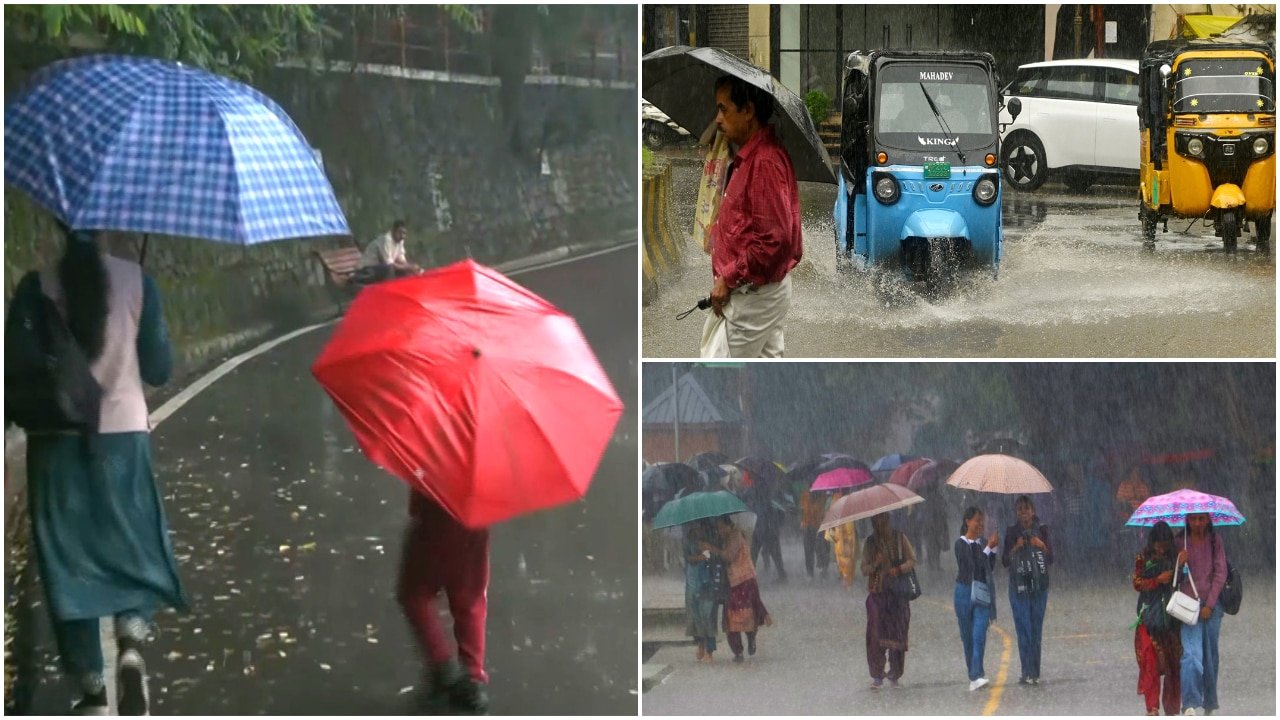
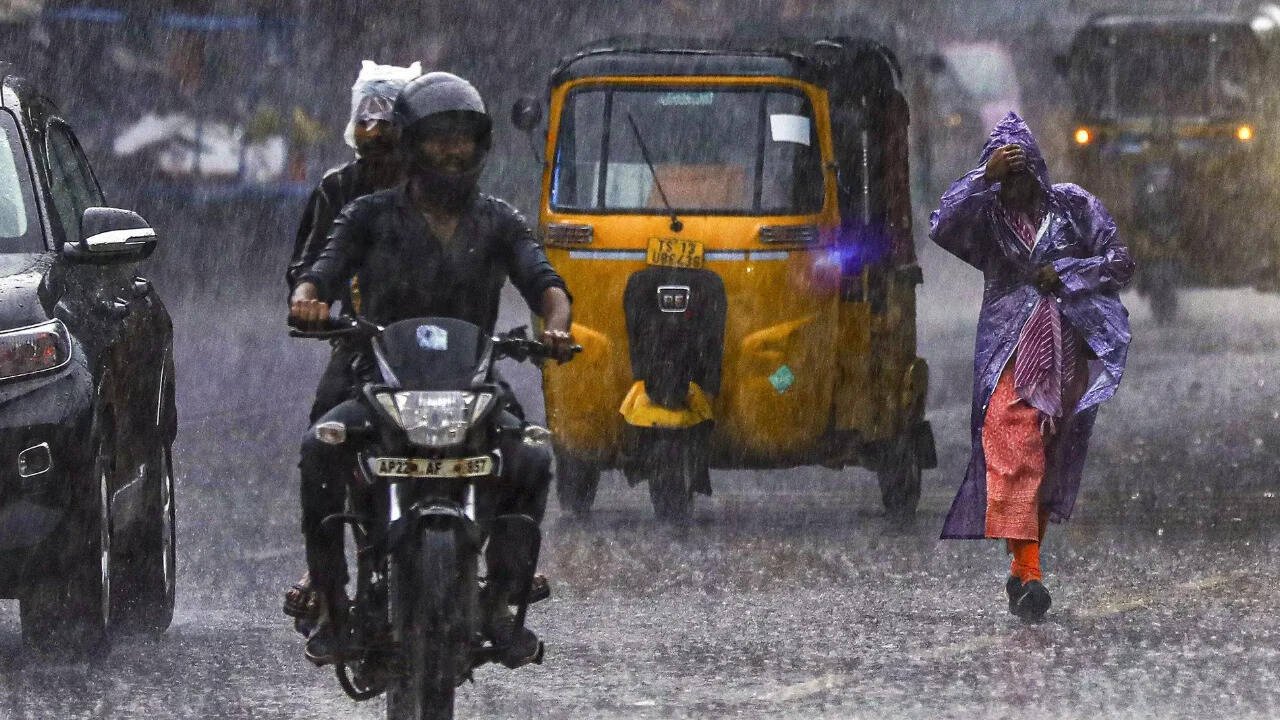
As the monsoon season intensifies across Northern India, authorities in Jammu and Kashmir have officially inaugurated a dedicated disaster management control room in Katra. Strategically positioned to serve as a nerve center for emergency operations, the facility is designed to mitigate the risks posed by extreme weather events, including heavy precipitation, flash floods, and the frequent landslides that characterize the region’s complex topography.
The establishment of this control room marks a significant shift toward proactive disaster governance. By centralizing communication and resource deployment, the administration aims to bridge the gap between initial weather warnings and on-the-ground interventions. This facility is expected to serve as a vital lifeline for the local population, including the agricultural community, whose livelihoods are often disproportionately impacted by the unpredictability of the monsoon cycle.
Enhancing Inter-Departmental Coordination and Rapid Response
The effectiveness of disaster management in mountainous regions relies heavily on the seamless integration of various government bodies. The new control room in Katra serves as a unified command center, bringing together representatives from the Public Works Department, the irrigation and flood control sector, emergency medical services, and local law enforcement. This collaborative framework ensures that when a landslide occurs or a watercourse reaches critical levels, the response is not fragmented.
Technologically, the control room is equipped to monitor real-time meteorological data, allowing officials to track rainfall patterns across vulnerable micro-climates. By maintaining constant vigilance, the control room can facilitate the preemptive evacuation of residents in high-risk zones and coordinate the rapid mobilization of heavy machinery to clear arterial roads—a critical necessity for maintaining supply chains and ensuring that agricultural produce can reach markets without excessive delay.
Addressing Terrain-Specific Vulnerabilities
Katra’s geography presents unique challenges that necessitate specialized disaster management strategies. The combination of steep slopes and high-intensity rainfall creates a high probability of slope instability, which can have devastating consequences for local infrastructure and rural landholdings. The control room’s mandate extends beyond immediate emergency relief; it is also tasked with the monitoring of geological stability in sensitive areas.
By maintaining a centralized log of incidents and response times, the facility will contribute to a long-term data repository. This information is essential for future land-use planning and the reinforcement of critical infrastructure. As climate change continues to alter the intensity and duration of monsoon rains, the ability to analyze historical incident data will be paramount in designing more resilient agricultural practices and rural protection measures.
What This Means for Farmers
For the farming community in the Jammu region, the establishment of the Katra control room offers several tangible benefits and strategic considerations:
- Improved Logistics and Market Access: Rapid clearance of landslide-blocked roads is essential for farmers moving perishable crops to market. The control room’s focus on inter-departmental coordination is expected to reduce the downtime of primary transport routes, minimizing post-harvest losses.
- Timely Emergency Alerts: Farmers are encouraged to stay connected with local administrative channels that feed into the control room. Receiving accurate, hyper-local weather warnings allows for better decision-making regarding crop protection, irrigation management, and the safety of livestock.
- Resource Allocation for Recovery: In the event of agricultural damage caused by heavy rain or soil erosion, the centralized nature of the control room ensures that damage assessment teams can be dispatched more efficiently. This will likely expedite the processing of relief claims and the delivery of support services to affected rural households.
- Proactive Risk Management: Farmers working in high-altitude zones are advised to observe local advisories issued by the control room during peak monsoon weeks. Engaging with the disaster management network can help in identifying vulnerable slopes on farmland, allowing for better soil conservation and drainage planning before the monsoon peaks.
Ultimately, while the control room in Katra is a governmental response to a public safety challenge, its success will provide a more stable environment for the regional agricultural economy, shielding rural producers from the most catastrophic impacts of a volatile climate.