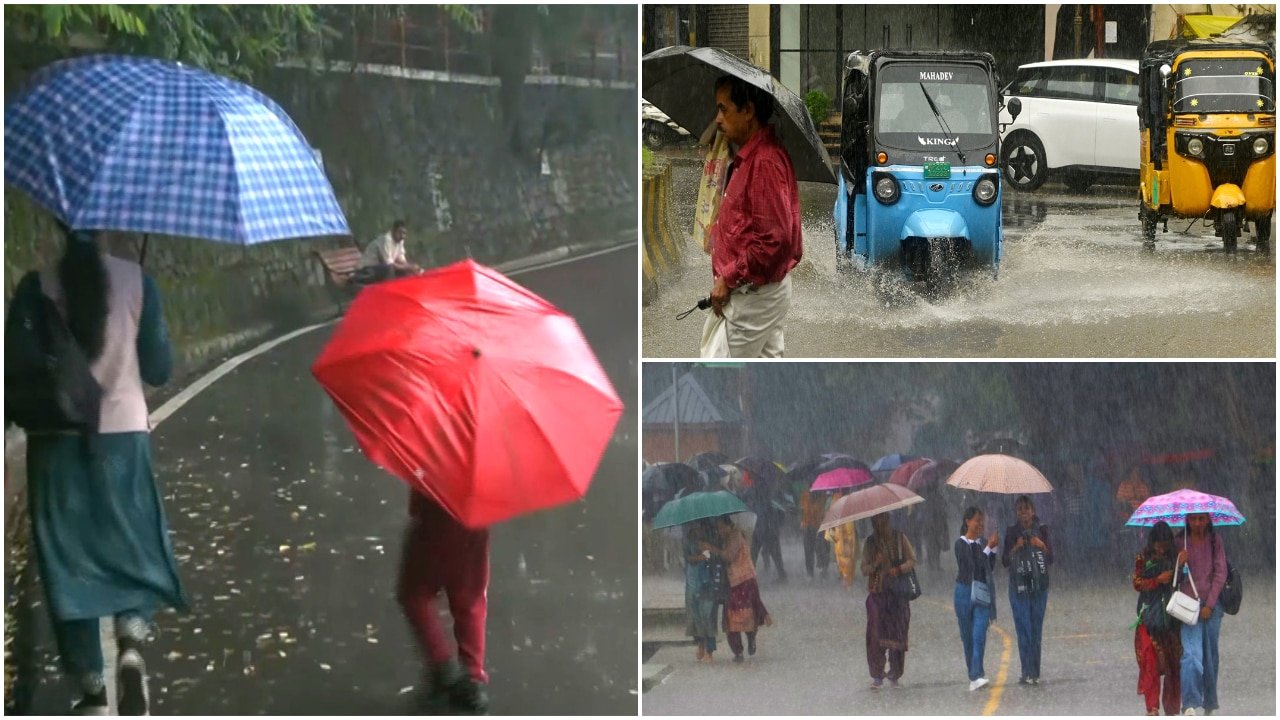
Monsoon Uncertainty: Skymet Warns of Deficient Rainfall Through Mid-Season
The agricultural sector is bracing for a period of heightened climate volatility as latest projections from Skymet Weather Services indicate a concerning trend for the remainder of the monsoon season. After a period of initial optimism, meteorologists are now signaling that rainfall across key production regions is likely to remain below the long-period average throughout July. Perhaps more alarmingly, the forecast suggests these weak monsoon conditions could persist well into August, raising the specter of drought-like stress in critical crop-growing zones.
The monsoon, which serves as the lifeblood for millions of farmers, is currently facing a period of instability. While seasonal rainfall patterns are inherently variable, the current atmospheric indicators point toward a sustained suppression of moisture-bearing systems. For the agricultural community, this forecast represents a shift from a "wait-and-see" approach to one of proactive risk management, as the window for optimal crop establishment begins to narrow.
The Mechanics of a Weakened Monsoon
The current meteorological outlook highlights a disruption in the typical progression of monsoon troughs. Several factors contribute to this phenomenon, including shifts in sea surface temperatures and the positioning of high-pressure systems that effectively block the influx of moisture from the surrounding oceans. When these systems stall or divert, the result is a "break" in the monsoon—a period where rainfall ceases even during the height of the rainy season.
Agronomists are particularly concerned about the timing of these dry spells. July and August are critical months for the vegetative growth phase of many staple crops. During this time, high soil moisture levels are essential to support the development of root systems and canopy cover. A prolonged deficiency during these months can lead to stunted growth, reduced photosynthetic efficiency, and, in severe cases, the permanent wilting of young seedlings. As moisture deficits accumulate, the soil profile dries out, leaving crops increasingly vulnerable to heat stress and potential pest outbreaks that thrive in arid, warm conditions.
Regional Vulnerabilities and Crop Resilience
The potential for a "scary" monsoon outcome is not distributed evenly across the landscape. Regions that rely heavily on rain-fed agriculture—those lacking access to robust irrigation infrastructure—are at the highest risk. In these areas, the absence of timely rainfall forces a reliance on groundwater reserves, which can lead to increased operational costs and the rapid depletion of local aquifers.
Furthermore, the impact is highly crop-specific. Varieties that require consistent water availability during their early growth stages are at a significant disadvantage if the monsoon fails to gain momentum in the coming weeks. While modern agricultural science offers drought-tolerant cultivars and precision water management techniques, the sheer scale of a regional rainfall deficit often outpaces the mitigation capabilities of individual farms. The concern among market analysts is that if the rainfall remains below normal through August, the cumulative moisture stress could lead to lower-than-anticipated yields, potentially tightening supply chains and impacting commodity prices as the harvest season approaches.
What This Means for Farmers
For the farming community, the Skymet forecast serves as an urgent call to prioritize water conservation and risk mitigation strategies. The following actions are recommended to navigate the current uncertainty:
- Optimize Irrigation Efficiency: With rainfall uncertainty looming, now is the time to audit irrigation systems for leaks and inefficiencies. Where possible, shift to drip or micro-irrigation methods to ensure every drop of available water reaches the root zone rather than being lost to evaporation.
- Prioritize Moisture Retention: Implement mulching techniques to preserve soil moisture. Covering the soil surface around plants can significantly reduce evaporation rates and help maintain a stable root-zone temperature during hot, dry spells.
- Monitor Crop Health Closely: Increase the frequency of field scouting. During periods of moisture stress, crops are more susceptible to secondary issues, including nutrient deficiencies and specific pest pressures. Early detection of stress can allow for targeted interventions before yield loss becomes irreversible.
- Review Financial Exposure: Evaluate current insurance coverage and crop input expenditures. Given the potential for lower yields, it is vital to balance the cost of inputs against the probability of harvest success. Consult with local agricultural extension offices for advice on contingency planning or supplemental irrigation strategies tailored to your specific geography.
- Diversify Planting Schedules: If the monsoon remains weak, consider staggering planting dates or focusing on shorter-duration crop varieties that may be better suited to a shortened growing season, provided that local soil and climatic conditions permit.
While the forecast is indeed sobering, preparedness remains the most effective tool in the farmer’s arsenal. By staying informed and adopting conservative water-management practices, producers can better insulate their operations against the unpredictability of this year’s monsoon.