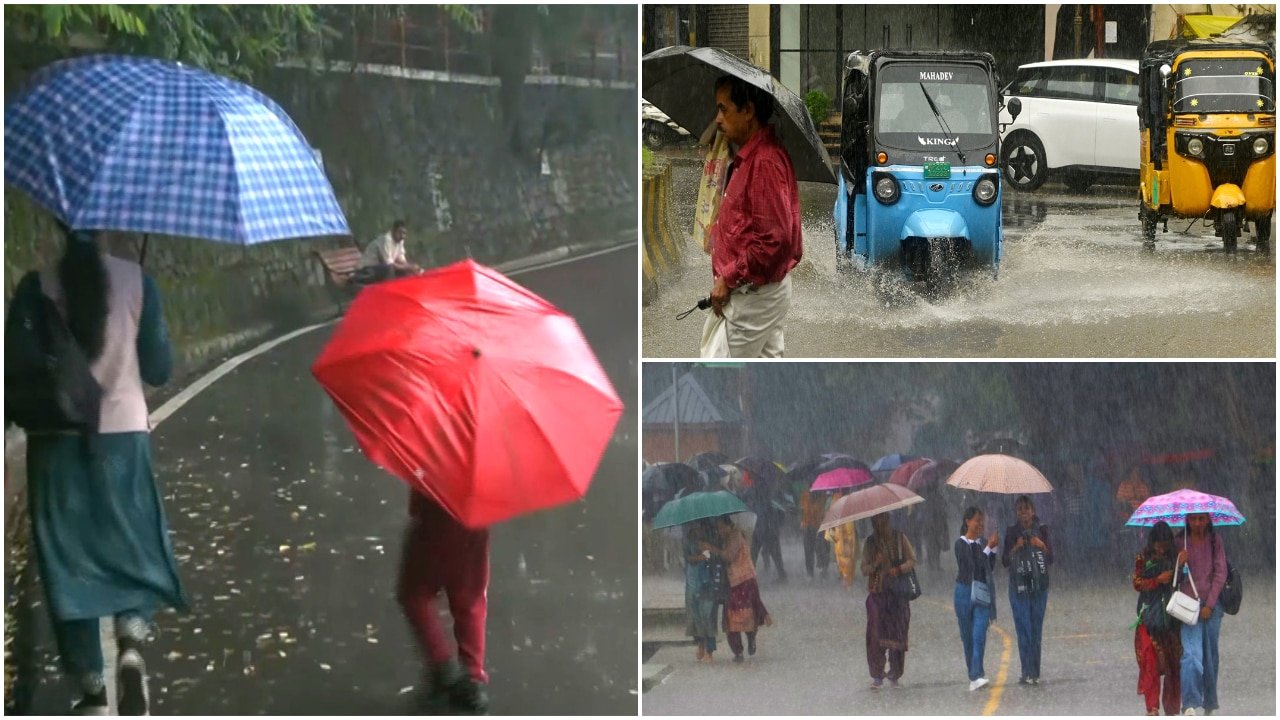
The Rise of Rail Tourism: IRCTC Launches Monsoon Special Packages
As the monsoon rains transform India’s diverse landscapes into lush, verdant corridors, the Indian Railway Catering and Tourism Corporation (IRCTC) has officially unveiled its suite of Monsoon Special Tourist Trains. Designed to capitalize on the country’s most scenic season, these curated rail experiences offer travelers a unique vantage point to witness the rejuvenation of the countryside. By shifting the focus from mere transportation to experiential tourism, the IRCTC aims to provide a seamless, end-to-end travel solution for families, pilgrims, and nature enthusiasts alike.
The monsoon season is traditionally viewed as a period of reduced travel activity; however, the IRCTC is actively rebranding this timeframe as a prime window for exploration. By integrating rail connectivity with pre-arranged logistics, the corporation is tapping into the growing demand for "slow travel"—an approach that emphasizes the journey as much as the destination. These special packages are engineered to eliminate the logistical burden of travel planning, covering everything from seat reservations and regional accommodation to guided sightseeing and standardized meal services.
Curated Itineraries: From Heritage Trails to Pilgrimage Routes
The strength of the IRCTC Monsoon Special program lies in its diversity of routes. Recognizing the varying interests of the Indian traveler, the packages are categorized into three primary segments: heritage tourism, nature-centric getaways, and spiritual pilgrimages. Each itinerary is meticulously planned to ensure that travelers are positioned in the heart of the most scenic regions during the peak of the rainy season.
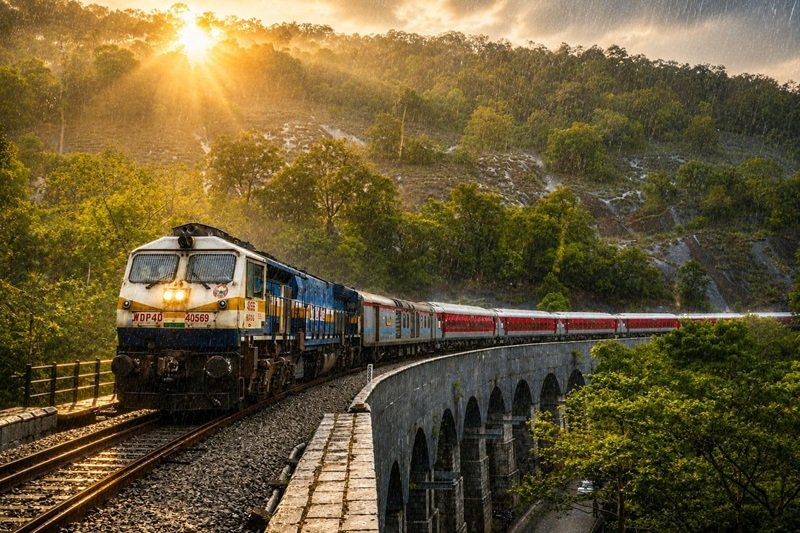
For those interested in heritage and culture, the rail routes often pass through regions where historical architecture is framed by emerald-green backdrops. These packages frequently include guided tours of UNESCO World Heritage sites, providing historical context that enhances the visual appeal of the monsoon landscape. Conversely, the nature-focused packages are designed to navigate through mountain passes and valley routes where the monsoon creates waterfalls and mist-covered forests, offering photography enthusiasts and leisure travelers unparalleled views that are inaccessible by road.
The pilgrimage packages offer a different value proposition. By providing a structured transit experience to major religious sites, the IRCTC ensures that devotees can focus entirely on their spiritual journey without the stress of navigating peak-season crowd management or variable local transport. With accommodation and dining pre-booked, these packages provide a predictable and comfortable environment, which is particularly beneficial for elderly travelers or multi-generational families.
Logistics, Booking, and the Value of Bundled Travel
The IRCTC has streamlined the booking process through its official tourism portal, where users can filter packages by departure city, duration, and budget. Each package is comprehensive, typically bundling rail fare, hotel stays, local transfers, and sightseeing entries into a single price point. This all-inclusive model protects travelers from the volatility of seasonal pricing often seen in the hospitality sector during peak tourist months.
Travelers are encouraged to book well in advance, as these monsoon-specific trains often operate on limited frequency. The IRCTC emphasizes that these packages are distinct from standard passenger trains; they are managed as tourism-centric services where the onboard experience—including catering and passenger assistance—is tailored to the needs of vacationers rather than commuters. Detailed itineraries, including the specific stops and the nature of the accommodations provided, are available on the IRCTC Tourism website, allowing prospective travelers to perform a side-by-side comparison of costs and inclusions before finalizing their booking.
What This Means for Farmers
While the IRCTC Monsoon Special trains are marketed primarily toward tourists, the surge in rail-based tourism during the monsoon carries significant implications for rural economies and the farming community:
- Direct-to-Consumer Market Opportunities: As these tourist trains traverse rural belts, they increase the footfall of visitors in remote areas. This creates a ready market for local farmers to set up stalls or supply fresh, seasonal produce to the hospitality vendors servicing these tour groups.
- Diversification of Income: For farmers located near heritage sites or scenic rail stops, the influx of tourists provides an opportunity to diversify income through agri-tourism. Small-scale setups, such as farm-to-table dining experiences or guided tours of monsoon-grown crops, can leverage the increased tourist activity to supplement traditional farming revenues.
- Improved Rural Infrastructure: The focus on promoting specific scenic routes often leads to better maintenance of the regional rail and road infrastructure. Farmers benefit indirectly from these upgrades, as improved access to local markets and transit hubs facilitates the faster movement of perishable agricultural goods.
- Economic Resilience: By extending the tourism season into the monsoon months, the local economy becomes less dependent on a single harvest cycle. A robust tourism sector provides a secondary layer of financial stability for rural regions, ensuring that local businesses—and the farmers who supply them—remain economically viable year-round.