Youth-Led Protests Reach Critical Juncture as Dialogue Begins
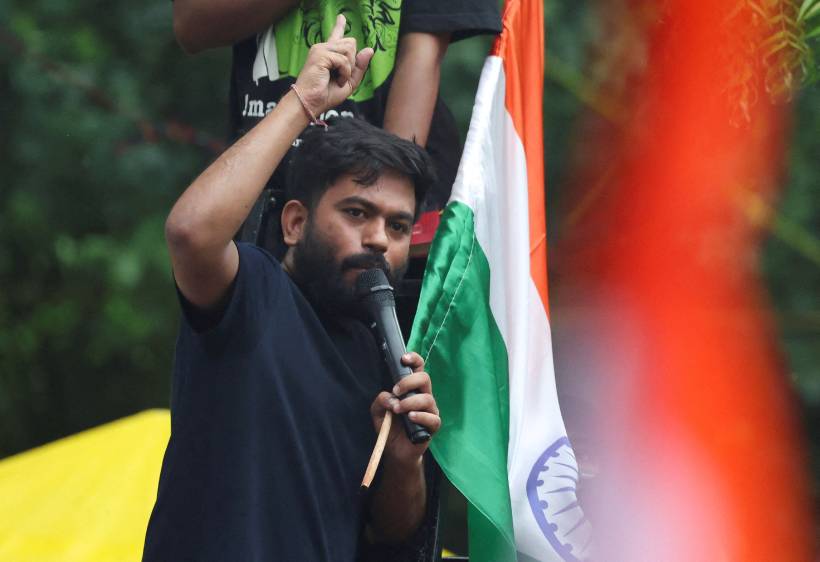
The political landscape in India faces a significant test of stability this week as leaders of the youth-driven "Cockroach" movement prepare to enter formal negotiations with government officials. The talks, scheduled for Friday, arrive at the peak of a mounting crisis sparked by widespread allegations of systemic examination paper leaks. These irregularities have disrupted the academic and career trajectories of millions of students, fueling a wave of civil unrest that has mobilized not only urban youth but also substantial support from agrarian families across the nation.
The "Cockroach" movement, which derives its name from its members’ resilience and ability to persist despite repeated efforts to suppress their cause, has become a focal point of national discourse. The organization’s leadership has maintained a firm stance, asserting that while they are willing to engage in the democratic process of negotiation, the government must address the root causes of institutional corruption within the national testing apparatus. As the government seeks to restore order and mitigate the political fallout, the outcome of Friday’s discussions will be closely watched by stakeholders across all sectors of the Indian economy.
The Structural Crisis Behind the Protests
At the heart of the current unrest is a profound breakdown in the credibility of national recruitment and education entrance exams. For the Indian youth, particularly those from rural backgrounds, these examinations represent the primary gateway to stable employment and social mobility. When the integrity of these processes is compromised by leaks and administrative malfeasance, it creates a ripple effect that extends far beyond the classroom.
Agricultural economists note that the failure of these systems disproportionately impacts farming households. Many families in the agricultural sector invest their limited capital and resources—often liquidating assets or securing high-interest loans—to support the education of their children, viewing government service as a vital hedge against the inherent volatility of the farming economy. When the examination process fails, these families are not only denied the prospect of a secondary income stream, but they are also left with substantial debt and diminished prospects for intergenerational advancement.
The protest leaders have framed the issue as a systemic failure of governance. Beyond the immediate demand for the resignation of the Education Minister, the movement is calling for a comprehensive overhaul of the national testing infrastructure. This includes the implementation of robust, tamper-proof digital security protocols, the establishment of an independent oversight body, and greater transparency in the recruitment lifecycle. Without these structural changes, the movement argues, the cycle of leaks and subsequent public distrust will continue to undermine the nation’s human capital development.
Stalemate and the Path Forward
Despite the commencement of formal talks, the "Cockroach" movement has signaled that its primary strategy remains unchanged. Leaders have explicitly stated that nationwide demonstrations will continue until their core demands are met. This creates a challenging environment for government negotiators, who are balancing the need to quell public unrest with the political necessity of maintaining ministerial stability.
The government’s response thus far has been characterized by attempts to contain the protests while offering promises of reform. However, for a movement that has demonstrated a high degree of organizational discipline and digital savvy, these promises may not be sufficient. The persistence of the protests suggests that the youth are no longer satisfied with cosmetic changes or bureaucratic reassurances. Instead, they are demanding a fundamental shift in how the government interacts with its citizens and ensures the integrity of public service entrance pathways.
What This Means for Farmers
The ongoing political instability and the demands of the "Cockroach" movement hold significant implications for the agricultural community, which remains the backbone of the Indian economy. Farmers should consider the following impacts:
- Economic Volatility: Prolonged protests and civil unrest can disrupt supply chains and local logistics. Farmers should monitor local news for disruptions to transportation networks that might affect the timely delivery of perishables to markets.
- Human Capital Investment: The crisis highlights the risks associated with relying solely on government employment as a safety net. For farming families, this underscores the importance of diversifying investment into agricultural value-addition, vocational training, and local entrepreneurship to build resilience against systemic failures in the national job market.
- Political Advocacy: As the youth movement gains momentum, it is forming potential alliances with other social groups, including farmer unions. Rural stakeholders should remain informed about how these broader social movements might influence national policy priorities in the coming legislative sessions.
- Long-term Planning: The demand for transparency and accountability in public institutions is a theme that resonates with many in the agricultural sector who also advocate for better price discovery and market integrity. Supporting institutional reform across all sectors is ultimately a mechanism for protecting the long-term interests of rural households.