India’s Leading Role in Global Coconut Production
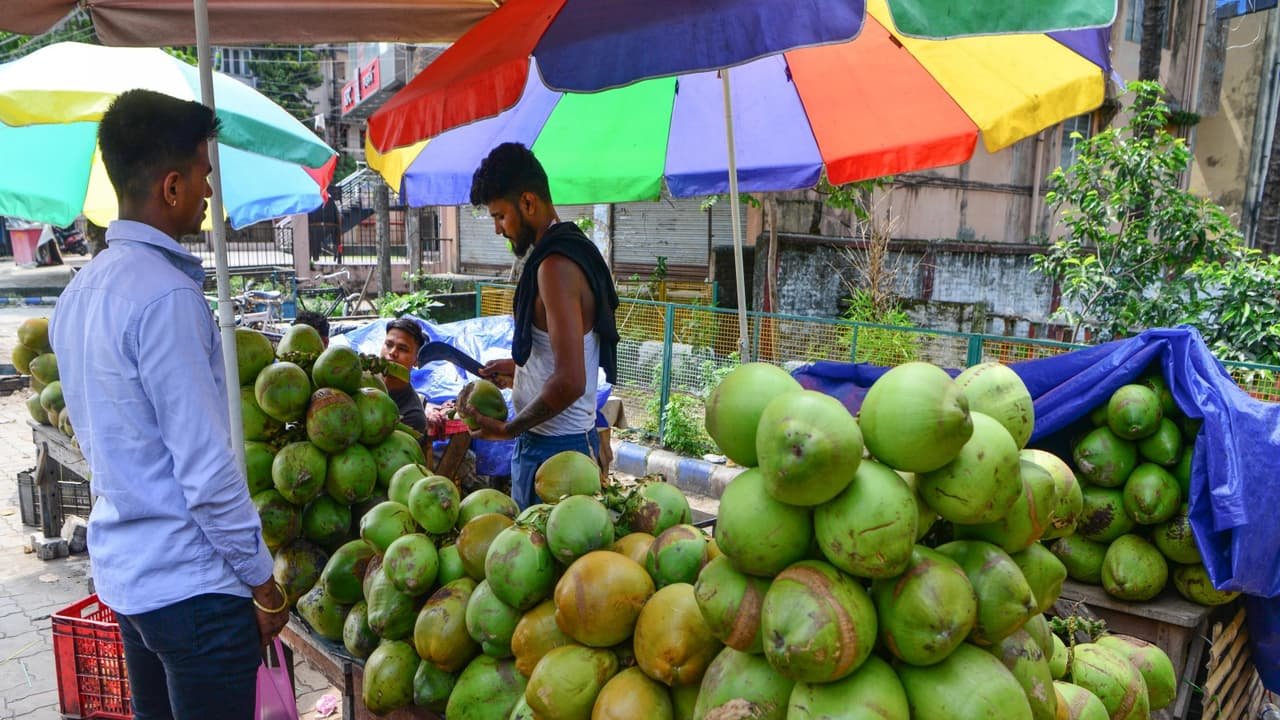
India has solidified its position as the world leader in coconut production, a sector that serves as a vital economic engine for the nation. According to information from Asianet Newsable, this industry currently sustains the livelihoods of approximately 30 million people across the country. By bridging the gap between traditional agricultural practices and modern international market demands, the coconut sector has become a cornerstone of rural economic stability.
Government Initiatives and the Coconut Development Board
The growth and sustainability of the coconut industry are being actively supported through various government interventions. Central to these efforts is the Coconut Development Board, which oversees strategic initiatives designed to enhance the entire value chain. The primary objectives of these government-led schemes include:
- Boosting Cultivation: Implementing measures to increase the yield and productivity of coconut farms.
- Value-Added Exports: Focusing on the processing of coconuts into diverse, higher-value products to increase export potential.
- Increasing Farmer Incomes: Creating economic frameworks that ensure those involved in the cultivation process receive better financial returns.
Strengthening the Coconut Ecosystem
The report from Asianet Newsable highlights that these initiatives are aimed at strengthening the entire ecosystem, reaching from the farm level all the way to the global market. By prioritizing value-added exports, the sector is moving beyond the raw production of coconuts to capitalize on the processing industry, which allows for greater economic participation in the global trade arena.
The integration of these government schemes is intended to create a more resilient framework for those involved in the sector. By focusing on both the cultivation and the commercialization of coconut-based products, the Coconut Development Board aims to ensure that the industry remains a primary contributor to rural livelihoods and national economic growth.
Impact on Rural Livelihoods
With 30 million people dependent on the coconut sector, the industry’s performance has a significant impact on rural welfare. The focus on enhancing incomes through improved cultivation techniques and diversified market access is a critical component of the government's current strategy. By fostering an environment where value-added products can thrive, the sector is better positioned to provide stable and growing opportunities for the millions of individuals who rely on coconut production as their primary source of income.
As India continues to maintain its status as the global leader in this field, the ongoing support from the Coconut Development Board remains a defining factor in the industry's ability to adapt to changing global market conditions while simultaneously securing the economic future of its domestic workforce.