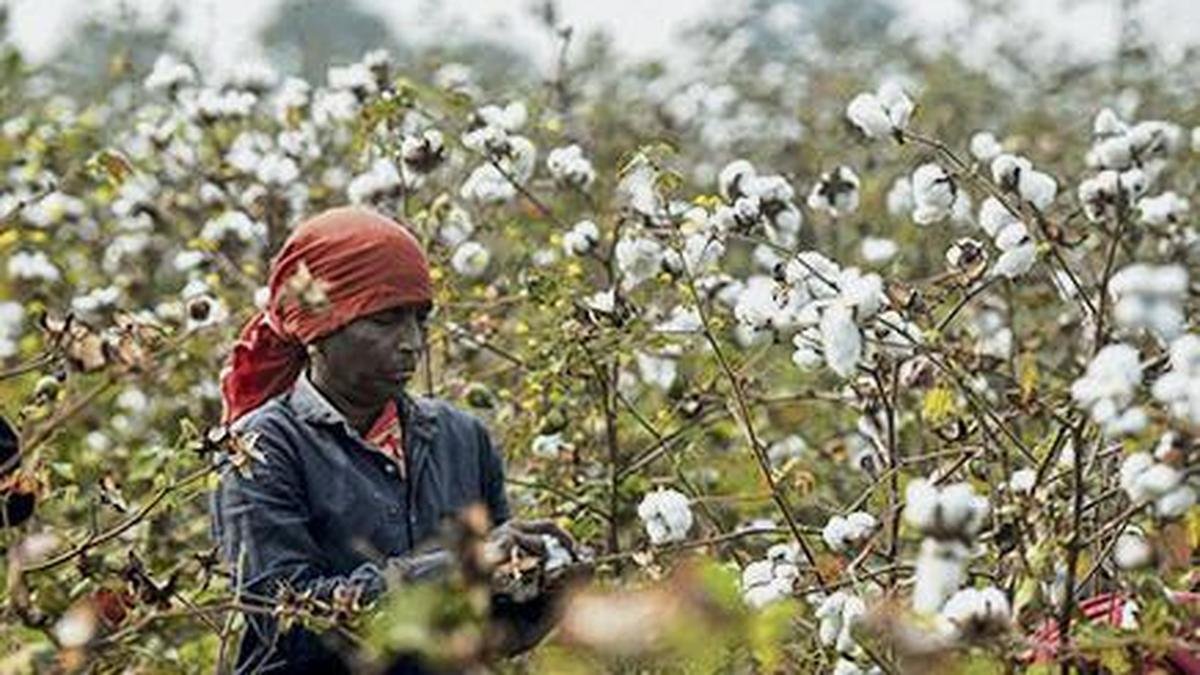
Domestic Cotton Market Gains Momentum Amid Global Price Volatility
The Indian cotton market has entered a period of renewed bullish sentiment as domestic prices track firming trends in international benchmarks. Traders and market analysts are observing a distinct shift in supply-chain dynamics, driven by a combination of global market cues and localized logistics constraints. While domestic acreage remains largely stable compared to the previous agricultural year, the market is currently grappling with a temporary supply tightness that has provided significant support to price levels across major trading hubs.
The current price appreciation is not merely a reflection of global commodity fluctuations; it is deeply rooted in the seasonal rhythm of the Indian cotton cycle. As domestic spinning mills and textile manufacturers look to secure inventory, the interplay between delayed arrivals and regional planting progress has created a complex environment for stakeholders. With global demand signals indicating a resilient appetite for natural fibers, the domestic market is adjusting to a new baseline of valuation that prioritizes supply security.
Supply Chain Bottlenecks and the Arrival Lag
A primary driver of the recent price strength is the noticeable delay in fresh arrivals reaching the mandis. In a typical harvest cycle, the influx of early-season cotton acts as a cooling mechanism for prices; however, current reports indicate that logistics and harvest timing have created a supply gap. This delay, while likely temporary, has amplified the impact of firm demand from the spinning sector, which remains eager to replenish stocks ahead of the peak festive manufacturing season.
Market experts suggest that the delay in arrivals is largely attributed to localized weather patterns that have influenced the maturity of the crop in key growing regions. When supply is constrained during a period of high industrial demand, the resulting "scarcity premium" exerts upward pressure on daily spot prices. Traders are closely monitoring the pace of arrivals in the coming weeks, as any further disruption in the supply chain could sustain this upward trend, forcing buyers to pay a higher price for immediate delivery.
Sowing Progress and Regional Acreage Dynamics
Despite the current price volatility, the fundamental outlook for the total cotton crop remains stable. Recent data from the Ministry of Agriculture suggests that total sowing acreage is currently tracking at levels comparable to the previous year, indicating that farmers have largely maintained their commitment to the fiber crop. This stability is a testament to the resilience of the cotton sector, even in the face of fluctuating input costs and changing climate variables.
Regional dynamics play a crucial role in this stability. Sowing activities in Gujarat and Telangana—two of the nation's most significant cotton-producing states—have seen a recent surge. While early-season concerns regarding rainfall distribution had initially slowed progress in certain districts, the catch-up sowing efforts have effectively bridged the gap. The successful establishment of these crops provides a degree of confidence regarding the overall output potential for the season. As these plants progress through the vegetative stage, the focus of the market will soon shift from sowing statistics to yield projections and the impact of late-season monsoon activity on boll development.
What This Means for Farmers
For the farming community, the current market environment presents both opportunities and strategic considerations:
- Capitalize on Price Discovery: With prices firming due to supply delays, farmers who have access to storage facilities or those who are in the early stages of harvest should closely monitor daily price fluctuations. Selling in installments rather than dumping the entire produce at once may help in capturing better average realizations.
- Focus on Quality Compliance: As demand remains firm, buyers are becoming increasingly selective regarding the quality of the fiber. Ensuring proper moisture management and minimizing contamination during the picking process can significantly enhance the bargaining power of farmers when negotiating with ginners and traders.
- Monitor Regional Sowing Trends: Farmers should stay informed about the progress of the crop in neighboring regions. Large-scale successful sowing in major states like Gujarat and Telangana often signals a robust supply later in the year, which can lead to price stabilization or seasonal cooling.
- Risk Management: While the current trend is positive, agricultural markets are inherently volatile. Farmers are advised to stay connected with local Agricultural Produce Market Committees (APMCs) and extension services to understand the broader market context and avoid being influenced by panic selling or speculative rumors.
In summary, while the market is currently enjoying a period of price buoyancy driven by global cues and logistical delays, the stability of the total acreage offers a balanced outlook for the remainder of the season. Producers who remain attentive to market signals and maintain high standards of quality are well-positioned to navigate this dynamic period effectively.