Indian Bank Bolsters Rural and Small-Scale Economy with Rs 1,220 Crore Disbursement
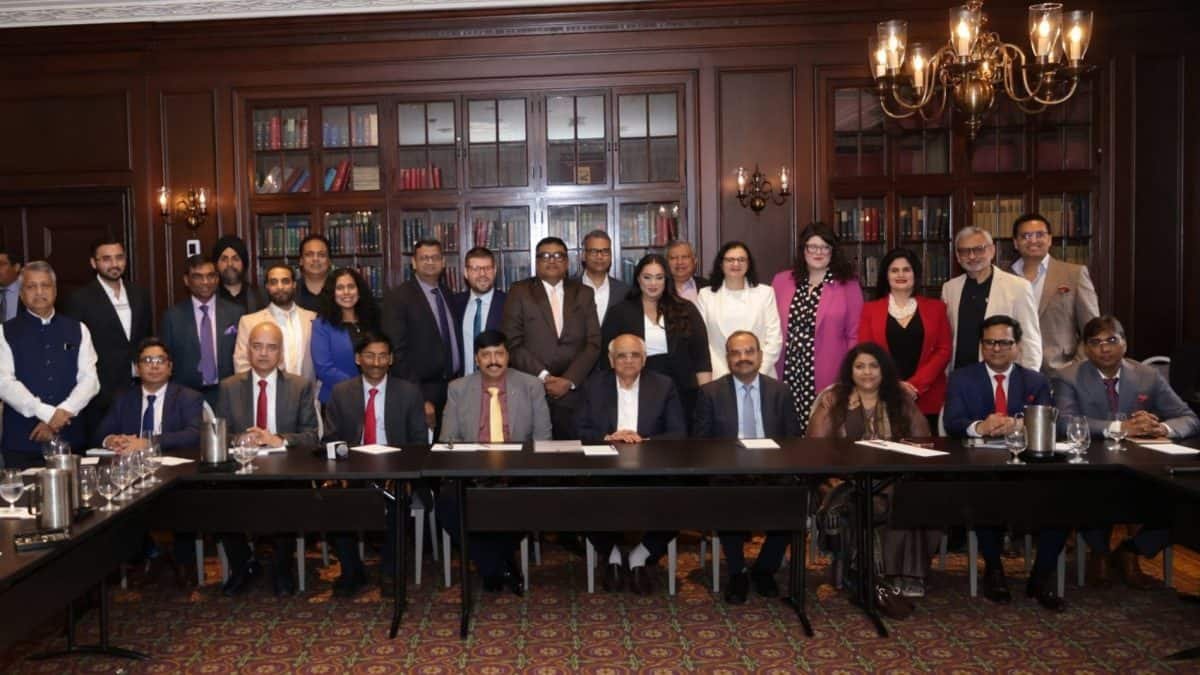
In a significant move to accelerate credit penetration across key economic sectors, Indian Bank has successfully distributed sanction letters totaling Rs 1,220 crore. The disbursement took place during a mega outreach camp held in Mumbai, serving as a cornerstone of the institution’s 120th Foundation Day fortnight celebrations. By focusing on the Retail, Agriculture, and MSME (RAM) segments, the bank is signaling a strategic commitment to grassroots economic development across the regions of Maharashtra, Gujarat, and Goa.
The event, which brought together a diverse group of stakeholders, underscores the critical role that public sector banks play in bridging the liquidity gap for small-scale enterprises and the agricultural community. By targeting the RAM segments, Indian Bank aims to provide the necessary financial scaffolding to support both individual household needs and the broader industrial infrastructure that sustains the regional economy.
Strategic Focus on the RAM Segment: A Catalyst for Growth
The decision to prioritize the RAM segment is a calculated approach to diversified risk management and economic empowerment. The Retail sector represents the pulse of domestic consumption, while the MSME sector serves as the backbone of the manufacturing and service industries in Western India. However, it is the Agriculture component that remains vital for the stability of rural livelihoods in states like Maharashtra and Gujarat.
During the outreach camp, the bank emphasized the importance of streamlined credit delivery. By aggregating these disbursements into a single high-impact event, the institution not only facilitated faster capital flow but also engaged directly with the end-users. This face-to-face interaction is essential for identifying specific regional challenges—such as seasonal harvest cycles in agriculture or the working capital requirements of local manufacturing clusters—that standardized digital banking might occasionally overlook. The Rs 1,220 crore injection is expected to provide a substantial boost to liquidity, allowing businesses to optimize their operations and farmers to invest in essential inputs ahead of upcoming agricultural cycles.
Strengthening Regional Economic Infrastructure
The geographic focus on Maharashtra, Gujarat, and Goa highlights a strategic effort to support the industrial and agrarian corridors of Western India. These states are home to a high density of small-scale enterprises and diverse agricultural practices, ranging from cash crop cultivation to horticulture. For the banking sector, supporting these regions means fostering long-term economic sustainability.
The outreach initiative serves a dual purpose: it acts as a mechanism for credit expansion and as a platform for financial literacy. By moving beyond traditional branch-based banking, Indian Bank is actively working to reduce the barriers to entry for MSMEs and farmers who may struggle with complex documentation or credit eligibility. The focus remains on ensuring that these funds are not just disbursed, but effectively utilized to drive productivity and long-term value creation. This approach aligns with broader national efforts to formalize the economy and ensure that credit reaches the most productive sectors of the population.
What This Means for Farmers
For the agricultural community, the influx of credit from such mega-disbursement drives represents more than just a capital injection; it offers a lifeline for operational continuity. Farmers should consider the following impacts and strategic steps:
- Enhanced Input Purchasing Power: With sanctioned funds now accessible, farmers have the liquidity to procure high-quality seeds, fertilizers, and modern equipment ahead of the sowing season, which is critical for maximizing yield potential.
- Debt Restructuring and Stability: Access to institutional credit at competitive rates allows farmers to move away from high-interest informal lending sources, thereby stabilizing their long-term financial health and reducing the risk of debt traps.
- Capital Investment for Modernization: Farmers are encouraged to utilize these funds for long-term investments, such as irrigation infrastructure, cold storage facilities, or farm mechanization, which can significantly improve post-harvest outcomes and reduce wastage.
- Engagement with Outreach Programs: The success of this event serves as a reminder for farmers to stay connected with their local bank branches during special outreach camps. These events are prime opportunities to discuss customized loan products, government-backed subsidy schemes, and crop insurance options that are specifically tailored to the regional agricultural profile.
Ultimately, the disbursement of Rs 1,220 crore stands as a testament to the importance of proactive banking in supporting the rural economy. For the individual farmer, the primary takeaway is the importance of maintaining strong credit documentation and maintaining a proactive relationship with banking partners to ensure that capital is available when it is most needed to drive productivity.