Monsoon Intensifies: IMD Forecasts Widespread Rainfall and Severe Weather Across Key Indian Regions
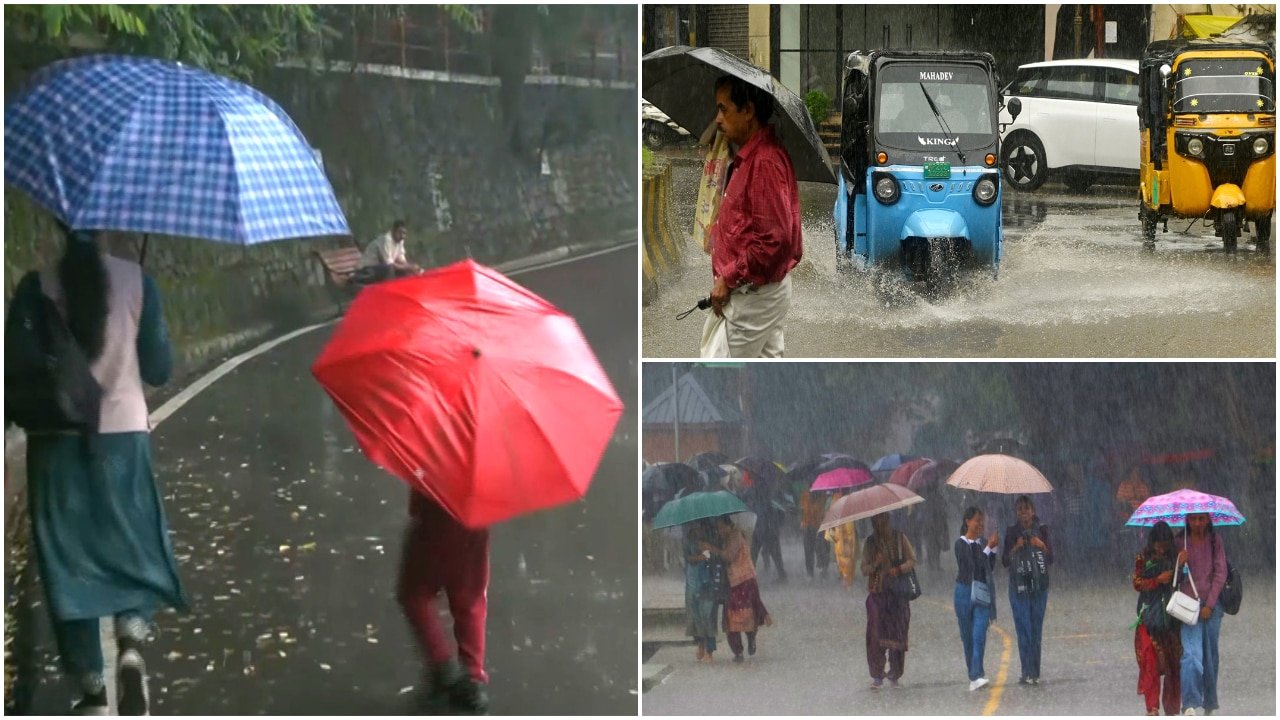
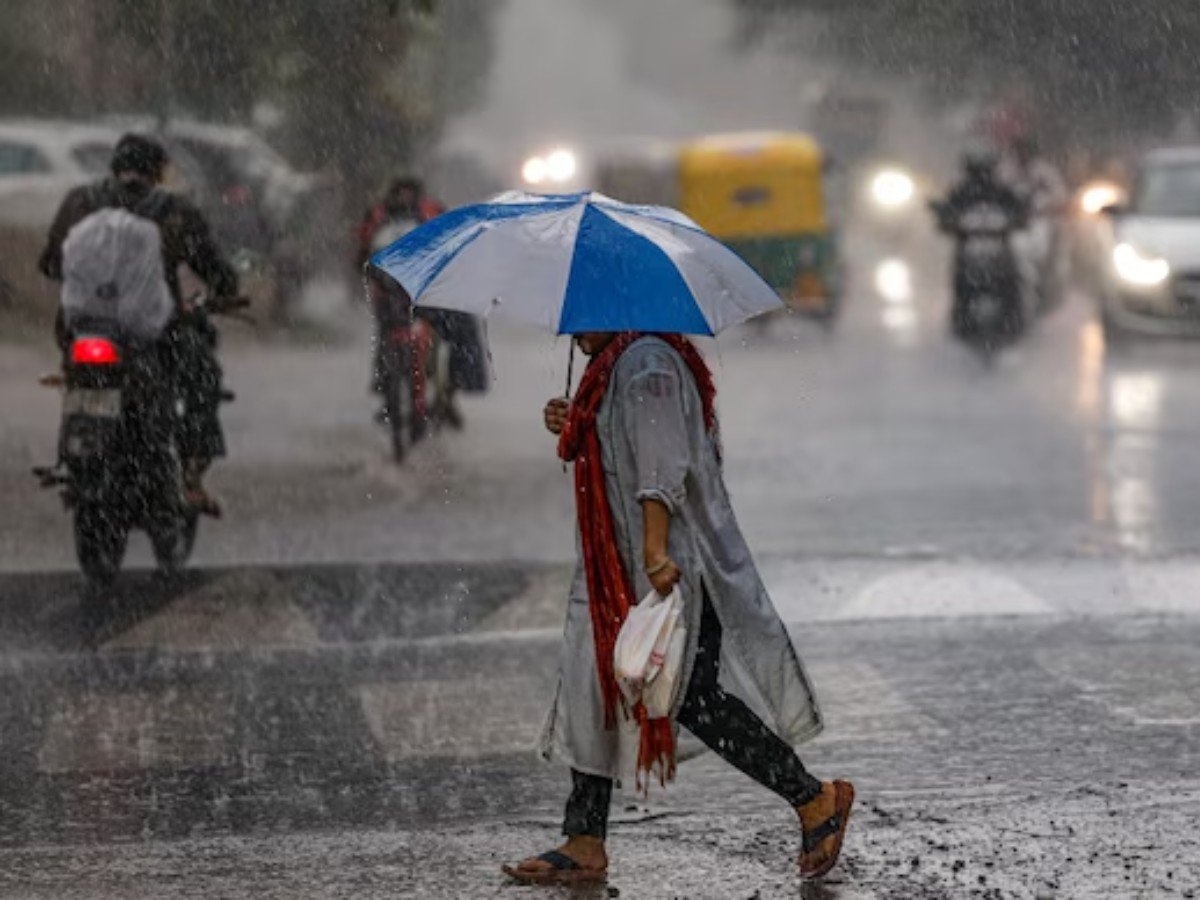
The India Meteorological Department (IMD) has issued a comprehensive weather advisory for August 11, signaling a significant intensification of monsoon activity across several states. As the monsoon trough shifts and interacts with various atmospheric disturbances, large swathes of the country—ranging from the mountainous terrain of the north to the arid landscapes of the west and the central plains—are braced for heavy to very heavy rainfall. Alongside the precipitation, meteorological experts have warned of accompanying thunderstorms, lightning strikes, and gusty winds, which pose potential challenges for both infrastructure and agricultural operations.
The forecast highlights a high-alert status for Rajasthan, Himachal Pradesh, Jammu & Kashmir, and Madhya Pradesh, where the combination of moisture-laden winds and topographical factors is expected to trigger intense downpours. Furthermore, parts of Northeast India remain under watch, as the region continues to experience persistent monsoon activity that has characterized the current season. Authorities are urging residents and stakeholders in these regions to remain vigilant as the weather systems progress over the next 24 to 48 hours.
Geographical Distribution of Weather Hazards
The IMD’s latest bulletin underscores a diverse set of weather patterns impacting different parts of the nation. In the northern regions, particularly Jammu & Kashmir and Himachal Pradesh, the combination of heavy rainfall and rugged topography significantly elevates the risk of localized flash flooding and landslides. These hilly regions are notoriously sensitive to sustained high-intensity precipitation, which can disrupt transport networks and vital supply chains.
Moving toward Central and Western India, states like Madhya Pradesh and Rajasthan are bracing for heavy rainfall, which is expected to be accompanied by strong surface winds and frequent lightning. In Rajasthan, where agriculture is often dependent on the erratic nature of monsoon cycles, heavy rainfall can be a double-edged sword. While it serves to replenish groundwater and surface reservoirs, excessive accumulation over a short duration can lead to waterlogging in low-lying areas. Meanwhile, Northeast India continues to deal with the cumulative effect of the monsoon, with consistent rainfall patterns maintaining high soil moisture levels and keeping river basin authorities in a state of readiness.
Meteorological Drivers and Safety Advisories
The current weather activity is attributed to the active state of the monsoon trough, which is currently positioned closer to its normal or southern position, facilitating the influx of moisture from both the Arabian Sea and the Bay of Bengal. The IMD’s warnings regarding thunderstorms and gusty winds are particularly critical, as these phenomena often precede the heaviest rainfall events.
Lightning remains a significant concern during this phase of the monsoon. Meteorological data often correlates these specific atmospheric conditions with a higher frequency of lightning strikes, which pose a direct threat to life and property in rural areas. The IMD continues to emphasize the importance of monitoring local weather updates through official channels and adhering to safety protocols, particularly by avoiding open fields, isolated trees, or water bodies during thunderstorm activity.
What This Means for Farmers
For the agricultural community, this forecast necessitates an immediate transition to proactive management strategies. The primary concern during periods of heavy rainfall is the protection of standing crops from waterlogging and the prevention of nutrient leaching. Farmers in the affected states should prioritize the following actions:
- Drainage Management: Ensure that field drainage channels are clear of debris to allow for the rapid evacuation of excess water. In flood-prone areas, checking the integrity of embankments is vital to prevent crop submergence.
- Livestock Safety: Move cattle and other livestock to elevated, dry shelters away from low-lying areas that are prone to sudden water accumulation. Lightning protection for livestock enclosures is also a recommended precaution.
- Postponement of Chemical Applications: Avoid the application of fertilizers or pesticides in the immediate 24-hour window before and after heavy rainfall. Precipitation will likely wash away these inputs, leading to economic waste and potential environmental runoff issues.
- Monitoring for Pests and Diseases: High humidity and persistent moisture create an ideal environment for fungal outbreaks and bacterial blight. Farmers should monitor their fields closely for early signs of disease and be prepared to implement integrated pest management (IPM) strategies once the weather clears.
- Harvesting and Storage: For farmers in the late stages of crop cycles, prioritize the harvesting of matured crops before the onset of the heaviest rains. Ensure that harvested produce is stored in moisture-proof, well-ventilated structures to prevent spoilage and mycotoxin development.
By staying informed through the IMD’s district-level alerts, farmers can better mitigate the risks associated with this volatile weather window, ensuring that the monsoon remains a source of agricultural productivity rather than a catalyst for crop loss.