Monsoon Intensifies: IMD Issues Red Alert for Eastern and Central India
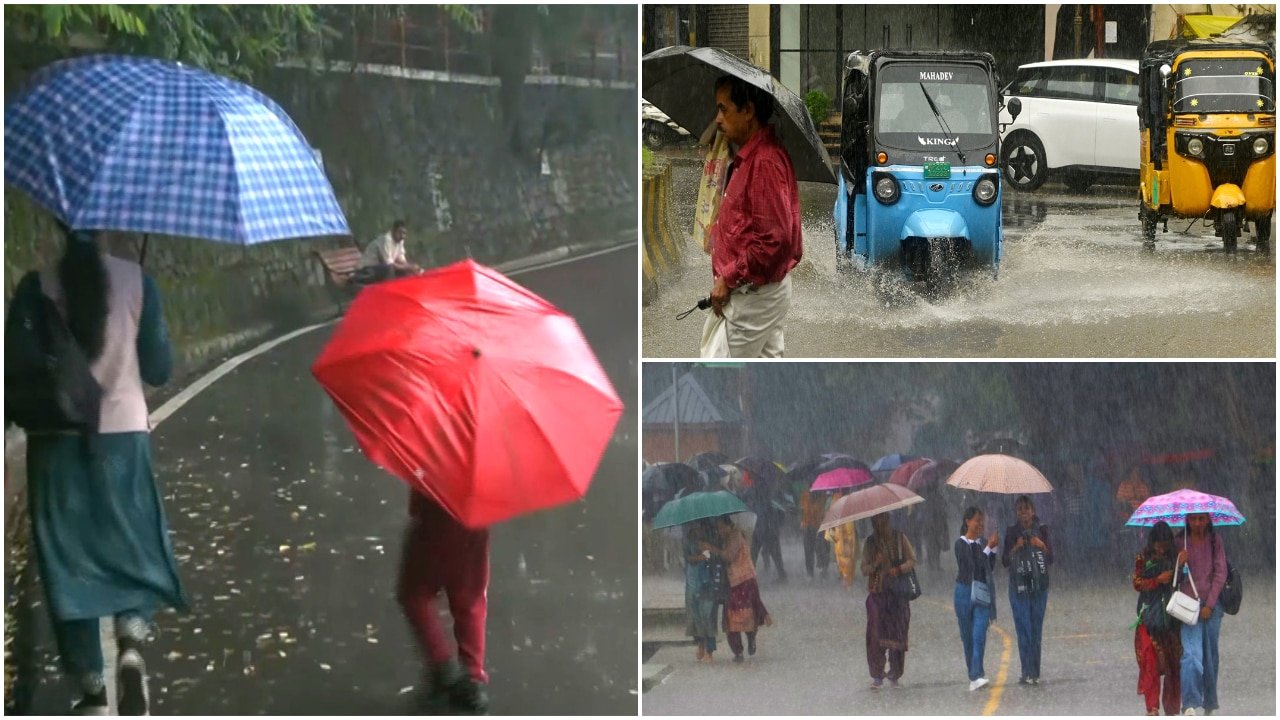
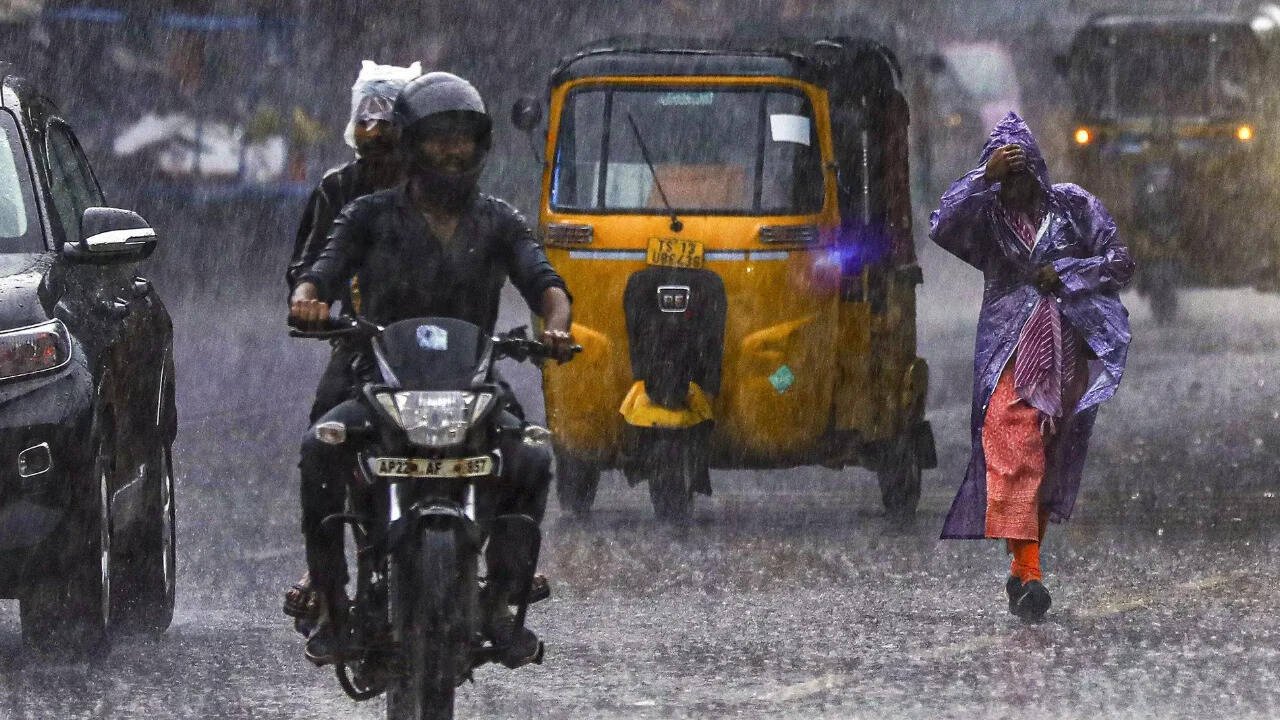
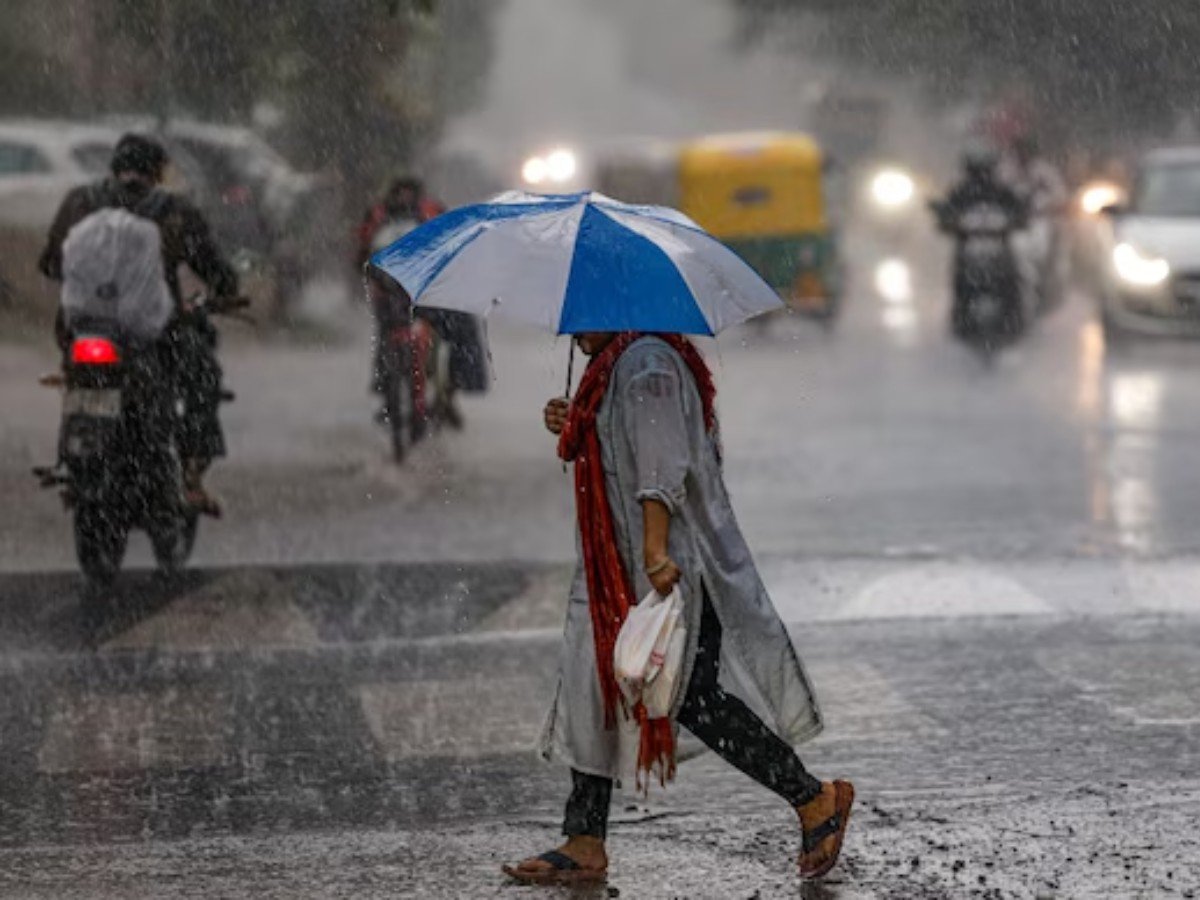
The India Meteorological Department (IMD) has issued a high-level red alert for several states across Eastern and Central India, signaling an escalation in monsoon activity. As of August 13, Gangetic West Bengal, Odisha, and parts of Chhattisgarh are braced for heavy to very heavy rainfall, raising concerns about potential flash flooding, waterlogging in low-lying agricultural zones, and significant disruptions to rural infrastructure. The current weather system is being driven by a low-pressure area, which meteorologists expect to bring sustained, high-intensity precipitation over the next 48 to 72 hours.
Synoptic Situation and Regional Forecast
The IMD’s latest bulletin highlights that the ongoing weather pattern is characterized by a vigorous monsoon trough interacting with cyclonic circulations. For farmers and residents in Gangetic West Bengal and Odisha, this implies a period of sustained moisture influx that could lead to localized flooding. In Chhattisgarh, the forecast suggests that the rainfall will be widespread, affecting both the plains and the highland regions, which are critical for the state’s kharif crop cycle.
Meteorological experts are closely monitoring the movement of this system as it traverses the subcontinent. The red alert serves as a precautionary notification for state disaster management authorities to remain in a state of high readiness. The primary concern is not merely the volume of rainfall, but the intensity over short durations, which can lead to rapid soil saturation and the overflow of local irrigation channels and minor river systems.
Impacts on Agricultural Landscapes
For the agricultural sector, the timing of this heavy rainfall is a double-edged sword. While monsoon moisture is essential for the kharif season, excessive water accumulation can lead to significant agronomic challenges. Crops currently in the vegetative growth phase are particularly vulnerable to waterlogging, which can cause root asphyxiation, nutrient leaching, and the proliferation of fungal diseases. Paddy fields, which are prevalent in the coastal and deltaic regions of Odisha and West Bengal, are at high risk if drainage systems are unable to manage the surplus runoff.
Beyond immediate crop damage, the heavy rainfall threatens the connectivity of rural logistics. Transporting agricultural inputs to fields and moving harvested produce to local markets—where applicable—becomes increasingly difficult under such conditions. Furthermore, the persistent overcast conditions and high humidity levels create an environment conducive to the spread of pests and pathogens, requiring farmers to remain vigilant for signs of crop distress once the skies clear.
What This Means for Farmers
The IMD’s red alert serves as a critical call to action for the farming community in the affected regions. To mitigate potential losses, farmers are advised to prioritize the following measures:
- Ensure Field Drainage: Check and clear all drainage channels to facilitate the rapid removal of excess water from fields. Preventing water stagnation is the most effective way to protect root health in standing crops.
- Monitor for Pests and Diseases: High humidity and moisture are primary triggers for fungal infections and pest outbreaks. Conduct regular field scouting and be prepared to implement integrated pest management (IPM) strategies as soon as weather permits.
- Secure Harvested Produce: If any crops have already been harvested, ensure they are stored in elevated, moisture-proof, and well-ventilated structures to prevent spoilage and mycotoxin development.
- Defer Field Operations: Avoid the application of fertilizers or chemical sprays during periods of heavy rain, as the runoff will render these inputs ineffective and contribute to environmental contamination. Wait for a clear window of at least 24 to 48 hours before resuming field applications.
- Stay Informed: Continue to monitor local weather updates and official advisories provided by the IMD and state agricultural departments. Localized alerts are essential for making timely decisions regarding irrigation management and emergency harvesting if necessary.
While the monsoon is the lifeblood of Indian agriculture, extreme weather events require a proactive approach to risk management. By prioritizing field drainage and maintaining strict surveillance of crop health, farmers can mitigate the adverse effects of this intense weather system and protect their seasonal yields.