India-UK Trade Pact Set to Double Bilateral Commerce by 2030
The proposed Comprehensive Economic Trade Agreement (CETA) between India and the United Kingdom marks a pivotal shift in the global agricultural and industrial trade landscape. With both nations signaling a commitment to deepening economic ties, the agreement is projected to catalyze bilateral trade to an ambitious $100 billion by 2030. For India, the pact represents more than just a reduction in tariffs; it is a strategic gateway to one of the world’s most sophisticated and high-value consumer markets.
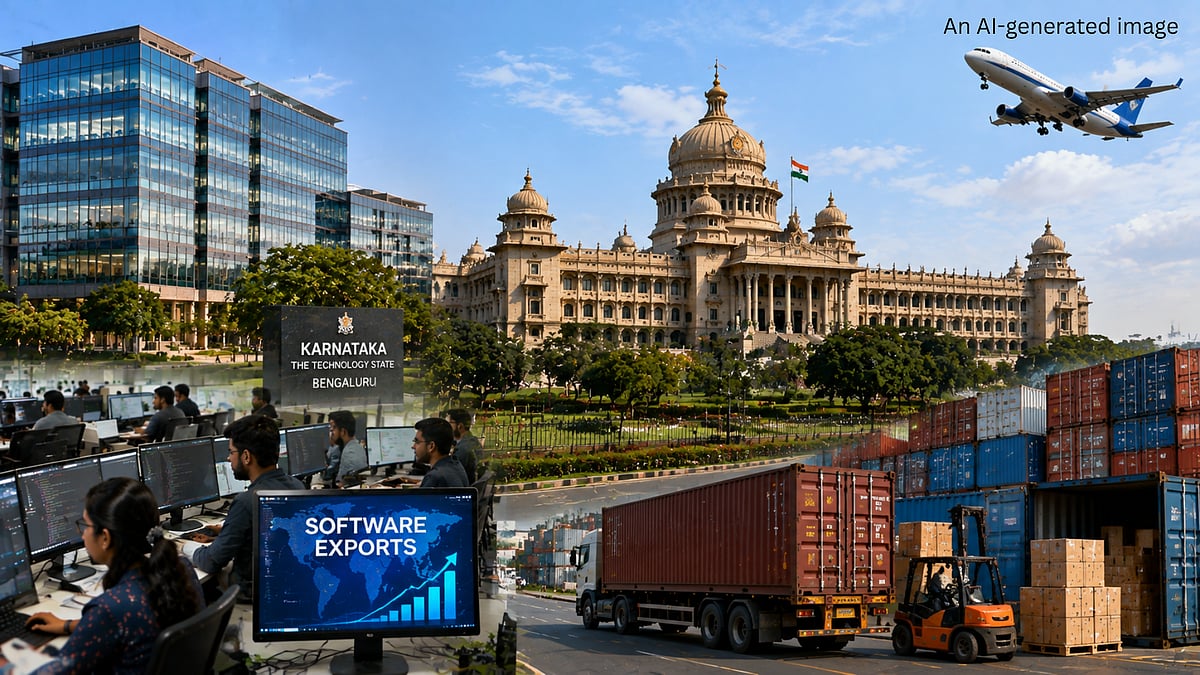
While the broader economic discourse often centers on services and technology, the integration of manufacturing, textiles, and engineering sectors is expected to provide the foundational growth required to meet these aggressive trade targets. By streamlining customs procedures and aligning regulatory standards, the CETA aims to dismantle the non-tariff barriers that have historically hindered Indian exporters from achieving their full potential in the British market.
Strategic Integration of Manufacturing and Engineering
The engineering sector stands to be a primary beneficiary of the proposed trade framework. As the United Kingdom seeks to diversify its supply chains and reduce reliance on traditional partners, Indian engineering firms are positioning themselves as high-quality, cost-competitive alternatives. The CETA is expected to facilitate easier access for Indian-made machinery, automotive components, and precision tools, which are essential to the UK’s industrial infrastructure.
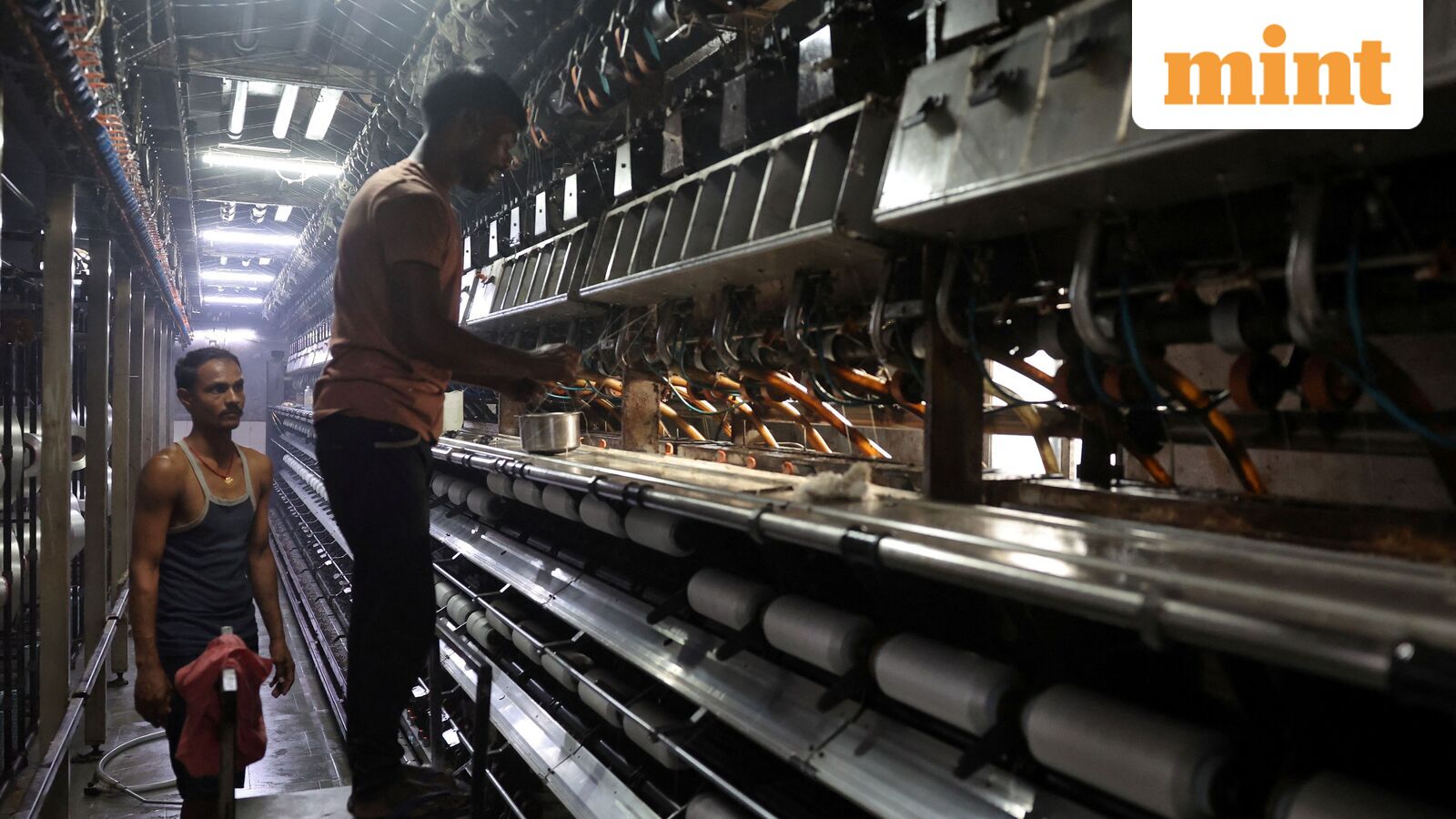
Beyond heavy machinery, the agreement is set to bolster the textile industry, a sector that serves as a vital pillar of the Indian economy. By addressing historical tariff imbalances, Indian textile manufacturers can expect to see enhanced competitiveness against regional rivals in Asian markets. This shift is not merely about price; it is about establishing a long-term foothold in the UK’s fashion and home-goods retail sectors, which demand high standards of sustainability and ethical production—areas where Indian firms are increasingly investing to meet global compliance requirements.
Market Access and Regulatory Harmonization
A core challenge in international trade has long been the divergence in sanitary and phytosanitary (SPS) measures, which often prevent agricultural and processed goods from reaching their intended destination. The CETA framework places a significant emphasis on regulatory harmonization. By creating a more transparent dialogue between Indian regulatory bodies and their UK counterparts, the agreement aims to reduce the time and cost associated with product certification.
For the broader economy, this harmonization is a force multiplier. When compliance costs are lowered, small and medium-sized enterprises (SMEs) gain the ability to compete alongside larger conglomerates. This democratization of trade is essential for reaching the $100 billion goal, as it encourages a wider base of Indian producers to look toward the UK as a viable, long-term export destination rather than a one-off market. The focus on digital trade and intellectual property rights within the agreement also ensures that Indian exporters can operate with greater legal certainty, protecting their innovations as they scale operations internationally.
What This Means for Farmers
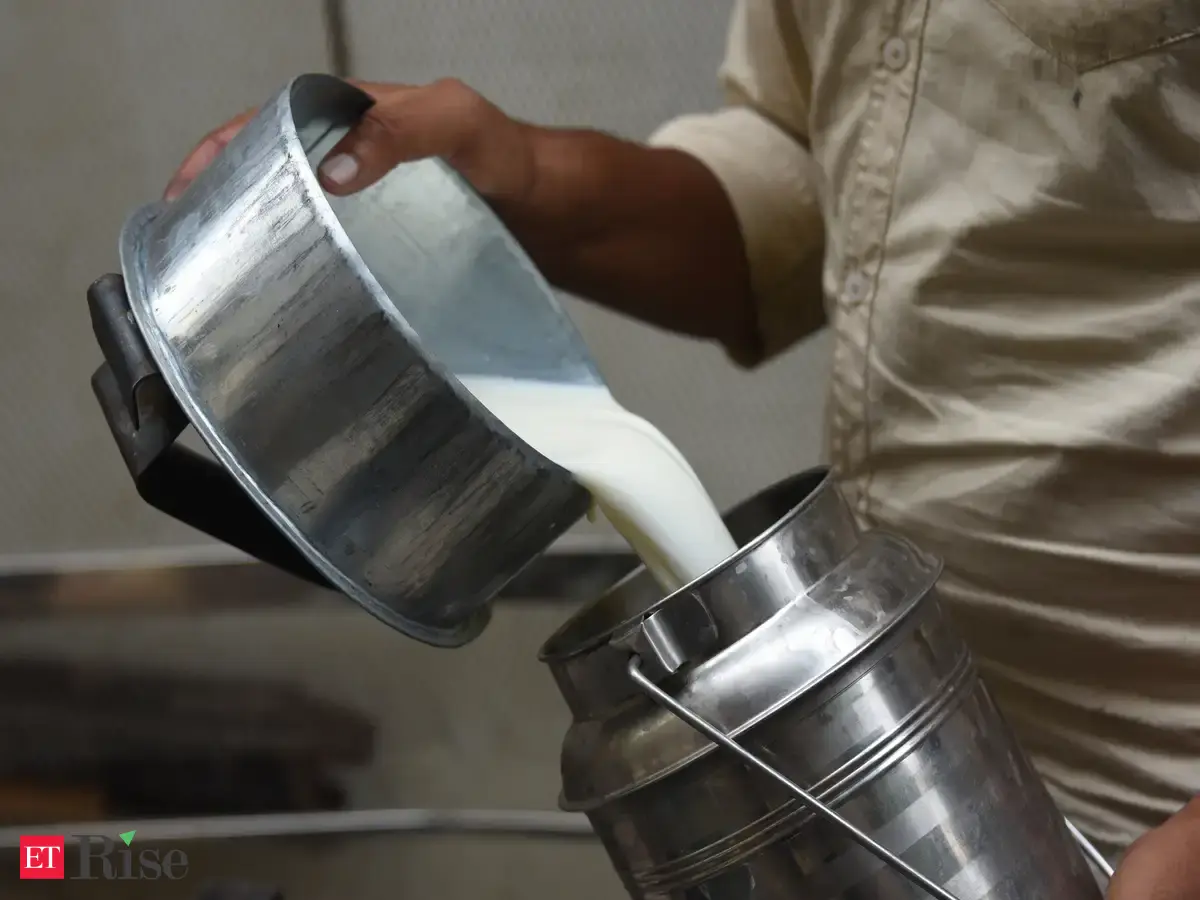
While the CETA is often framed through the lens of industrial and service-sector growth, the implications for the Indian agricultural and rural economy are profound. The increased trade volume and improved logistics infrastructure required to move goods between India and the UK will inevitably lower the overhead costs associated with the cold chain and agricultural exports.
Actionable Impacts for the Agricultural Sector:
- Value-Added Opportunities: The focus on textiles and engineering may seem distant from the farm gate, but the economic growth generated in these sectors increases domestic demand for processed agricultural products. Farmers should look toward integrating with food processing units that can meet the stringent quality standards required for export to the UK.
- Quality Standards: The push for regulatory harmonization suggests that the UK will demand higher traceability and sustainability standards. Farmers and cooperatives are advised to adopt digital record-keeping and sustainable cultivation practices now, as these will likely become the entry-level requirements for future trade opportunities.
- Diversification: As trade barriers drop, there will be increased demand for niche, high-value agricultural products—such as organic produce, spices, and specialty grains—that cater to the UK’s diverse consumer base. Producers should explore crop diversification to align with these specific international preferences.
- Economic Stability: By diversifying the export base, the Indian agricultural economy becomes less vulnerable to regional demand fluctuations. A robust trade relationship with a stable market like the UK provides a secondary pillar of demand that can help insulate farmers from domestic price volatility.
Ultimately, the India-UK CETA is an invitation for Indian producers to modernize their operations and align with global best practices. Those who prioritize quality control, sustainability, and digital integration will be best positioned to benefit from the expanded trade corridor as it matures over the next decade.