Unsettled Weather Patterns Trigger High-Alert Status Across India’s Agricultural Heartland
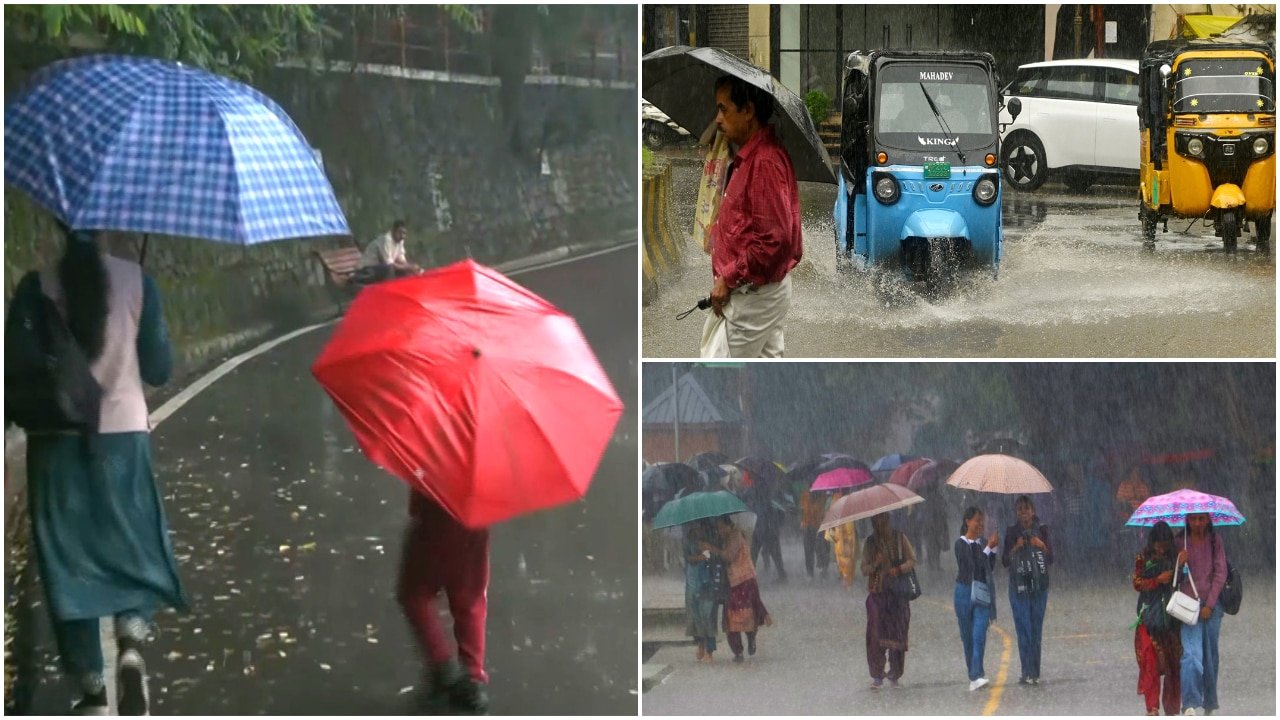
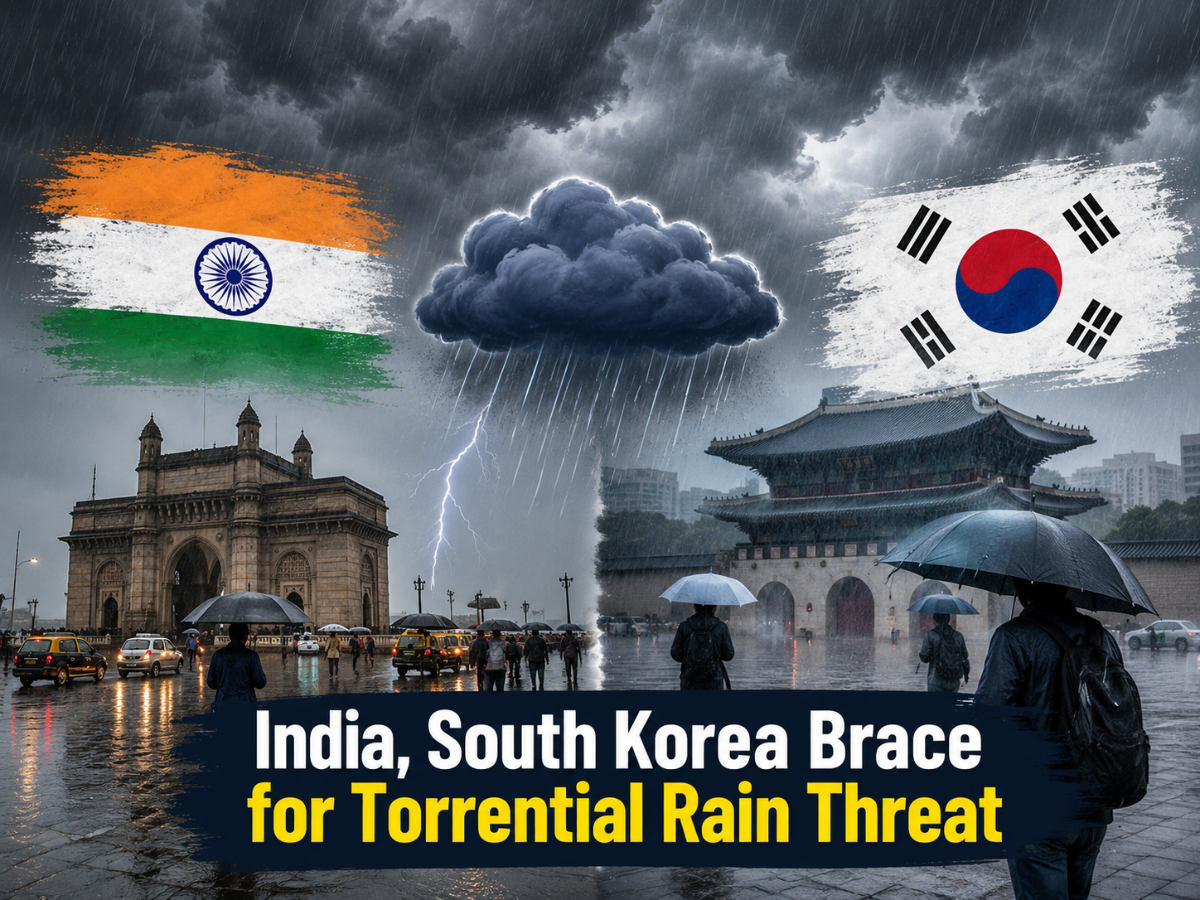
A volatile meteorological environment is currently gripping two major Asian nations, as India and South Korea grapple with intense precipitation events that threaten both infrastructure and rural livelihoods. In India, the India Meteorological Department (IMD) has issued urgent warnings for extremely heavy rainfall across the states of Gujarat and Maharashtra. These weather systems, characterized by high-moisture convective clouds, have prompted authorities to flag significant flash flood risks, forcing local administrations to heighten disaster preparedness measures in vulnerable districts.
The situation in India is part of a broader, complex monsoon interaction that has left vast swathes of the country’s western coastline under a cloud of uncertainty. As the monsoon troughs fluctuate, the resulting deluge poses a direct challenge to the agricultural sector, where timing is everything. Simultaneously, South Korea is reporting similar atmospheric instability, with heavy rain alerts disrupting transit and raising concerns about regional soil saturation. Meteorologists are monitoring these parallel events, noting that while the geographies are distinct, the impact on regional supply chains and agricultural output remains a shared concern for stakeholders in both nations.
Meteorological Drivers and the Risk of Flash Flooding
The current weather crisis in India’s western states is driven by a combination of offshore troughs and low-pressure systems that have intensified over the Arabian Sea. The IMD’s latest bulletins emphasize that the accumulation of heavy rain over a concentrated period—often referred to as “cloudburst” conditions in high-risk zones—significantly elevates the threat of flash flooding. These events are particularly dangerous because they occur rapidly, often leaving little time for drainage systems to mitigate the surge in water volume.
In Gujarat and Maharashtra, the challenge is compounded by the existing moisture levels in the soil. With the monsoon season already having deposited significant rainfall, the ground’s infiltration capacity is nearing its limit. When heavy rain falls on saturated land, the water creates immediate surface runoff, leading to the rapid swelling of rivers, canals, and agricultural drainage ditches. This poses a two-fold threat: the physical destruction of infrastructure and the submergence of standing crops that are currently in critical stages of development. As these weather patterns persist, the IMD continues to advise residents and farmers to remain vigilant, particularly in low-lying areas where water accumulation is historically predictable.
Synchronized Regional Volatility
While the meteorological mechanisms driving the rain in South Korea may differ from the monsoon dynamics in India, the socio-economic repercussions are striking in their similarity. In both regions, the intensity of the rainfall has disrupted the logistics of moving goods, which is a critical pain point for the agricultural sector. For farmers, the inability to move produce from the farm gate to market due to flooded roads can lead to significant post-harvest losses, particularly for perishable crops.
Experts note that these extreme weather events underscore the growing unpredictability of seasonal patterns. Farmers are increasingly finding that traditional planting and harvest calendars are being challenged by these sudden, high-intensity weather spikes. The regional nature of these alerts serves as a grim reminder that climate volatility is not localized; rather, it is a broad-reaching phenomenon that requires a more robust approach to water management, soil conservation, and crop insurance strategies to protect the integrity of the food supply chain.
What This Means for Farmers
For the agricultural community, the current IMD alerts translate into immediate, actionable requirements to minimize loss and ensure long-term viability:
- Prioritize Field Drainage: Ensure that all existing drainage channels are clear of debris. In areas prone to waterlogging, creating temporary diversion furrows can help prevent water from pooling around the base of high-value crops.
- Monitor Crop Health: Excessive moisture creates the perfect environment for fungal diseases and root rot. Once the rains subside, farmers should inspect fields for signs of blight or pathogen outbreaks and consult with local extension services regarding appropriate fungicide applications.
- Logistics Planning: Given the risk of road closures and transport disruptions, farmers should coordinate with local cooperatives to understand the status of supply chain routes. Where possible, harvest timing should be adjusted to avoid the peak of the predicted rainfall window to prevent the spoilage of harvested goods.
- Financial Risk Management: Now is the time to review crop insurance policies. Ensure that all documentation regarding field damage is accurately recorded, including photographic evidence, should it become necessary to file a claim for losses due to extreme weather.
- Safety First: The primary concern during flash flood warnings is the safety of farm workers and livestock. Move livestock to higher ground well in advance of rising water levels and ensure that all farm machinery is stored in elevated, secure locations.