India on e-wheels: Assessing Gujarat’s Strategy Against Rising Transport Emissions
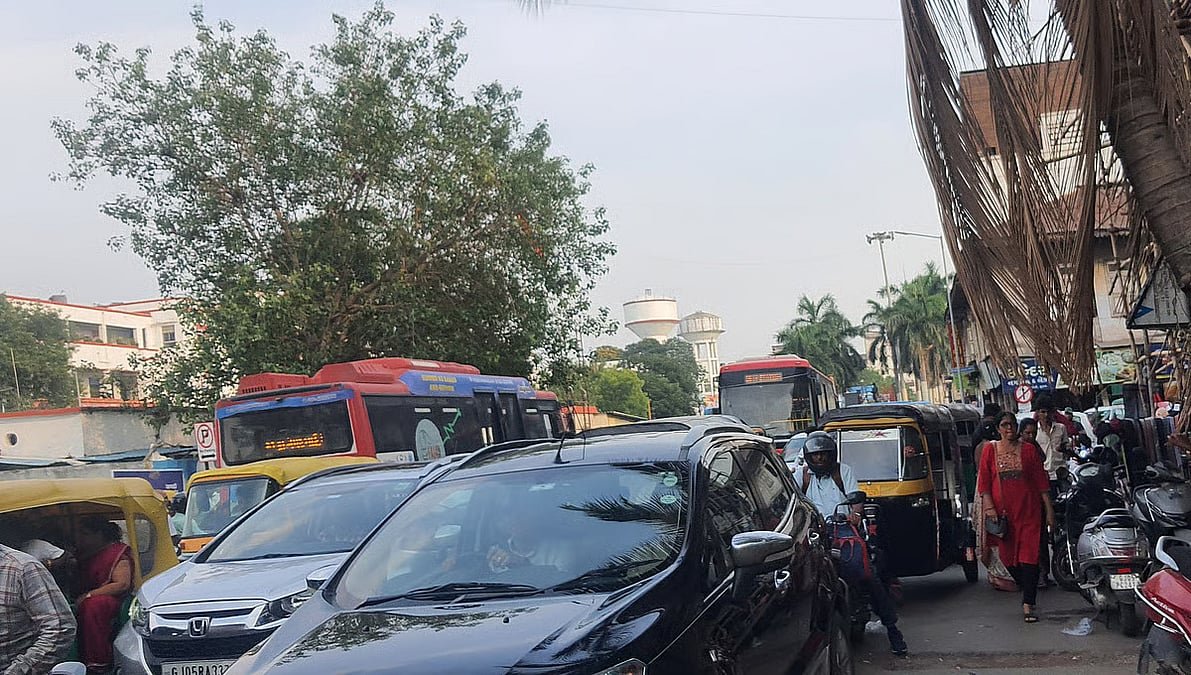
As Gujarat cements its position as a global industrial powerhouse, the state is grappling with the environmental cost of its rapid economic expansion. With vehicle registration numbers climbing at an unprecedented rate, the state’s urban centers are facing a mounting crisis of air quality, characterized by stubborn Particulate Matter (PM10) levels that consistently exceed national safety standards. While the narrative of "India on e-wheels" suggests a transition toward sustainable mobility, a deeper analysis of Gujarat’s transportation landscape reveals a complex struggle between industrial growth and the urgent need for decarbonization.
The Rising Tide of Internal Combustion
The core of Gujarat’s pollution challenge lies in the sheer volume of fossil-fuel-powered vehicles traversing its expanding road networks. Despite government initiatives to promote cleaner alternatives, the growth in diesel and petrol consumption remains inextricably linked to the state’s logistics and personal transport sectors. Diesel-powered commercial vehicles, the backbone of the state’s manufacturing supply chains, continue to dominate the highways, contributing disproportionately to nitrogen oxide (NOx) emissions and soot.
While compressed natural gas (CNG) has been touted as a viable bridge fuel, its impact has been limited by infrastructure constraints and a lack of parity in vehicle efficiency. In many of Gujarat’s Tier-1 and Tier-2 cities, the transition to CNG has failed to offset the influx of new private vehicles. Furthermore, the state’s reliance on aging vehicle fleets—often exempt from rigorous, frequent emissions testing—means that even as new, cleaner models enter the market, the overall "fleet average" for emissions remains stubbornly high. Without a comprehensive scrappage policy that is effectively enforced, the older, high-polluting vehicles continue to negate the marginal gains made by newer, cleaner technology.
Regulatory Oversight and the CAG Audit
The seriousness of Gujarat’s clean air commitment has come under intense scrutiny following a critical audit by the Comptroller and Auditor General (CAG). The report highlights significant systemic failures in the administration of pollution checks, specifically pointing to the inadequacy of the existing monitoring infrastructure. The audit suggests that the current system of Pollution Under Control (PUC) certificates is often treated as a mere administrative formality rather than a robust environmental safeguard.
The CAG findings indicate that many testing centers lack the calibration standards necessary to provide accurate data, and the enforcement mechanism for non-compliant vehicles is fragmented across different municipal and state agencies. This lack of centralized, real-time data collection hampers the state’s ability to implement evidence-based traffic management strategies. For the state to move beyond rhetoric, the audit underscores the need for a fundamental overhaul of how emissions are monitored, tracked, and penalized. The transition to electric vehicles (EVs) is frequently discussed, but the audit serves as a stark reminder that technology alone cannot solve the problem if the regulatory framework governing the existing fleet is fundamentally porous.
What This Means for Farmers
For the agricultural community in Gujarat, the implications of these transportation trends are significant, both economically and environmentally. First, as the state pushes for stricter emission norms, farmers who rely on diesel for logistics and post-harvest transport may face rising operational costs. As urban centers implement "low emission zones" or stricter entry requirements for heavy commercial vehicles, the cost of moving produce from farm to market could increase if logistics providers pass on the costs of fuel surcharges or vehicle upgrades.
Second, there is a growing concern regarding the impact of air pollution on crop health. High PM10 and NOx levels, which are exacerbated by dense traffic, have been linked to reduced photosynthesis in crops near major arterial roads. Farmers operating in the peri-urban fringes of rapidly expanding industrial hubs should monitor changes in soil and air quality, as these factors can influence yield quality and plant stress levels.
Finally, the shift toward electric mobility presents a long-term opportunity for the agricultural sector. As the demand for electricity increases to support a growing EV ecosystem, farmers—particularly those involved in decentralized solar energy production—may find new avenues for income through grid-integrated energy solutions. Farmers are encouraged to stay informed about state-level subsidies for electric tractors and small-scale transport vehicles, which may become more accessible as Gujarat aligns itself with national green energy targets. Engaging with local agricultural extension offices regarding these subsidies can help mitigate the transition costs while preparing for a future where sustainable, low-emission transport becomes the regulatory standard rather than a policy aspiration.