Monsoon Deluge Triggers Widespread Agricultural and Infrastructure Crisis Across India
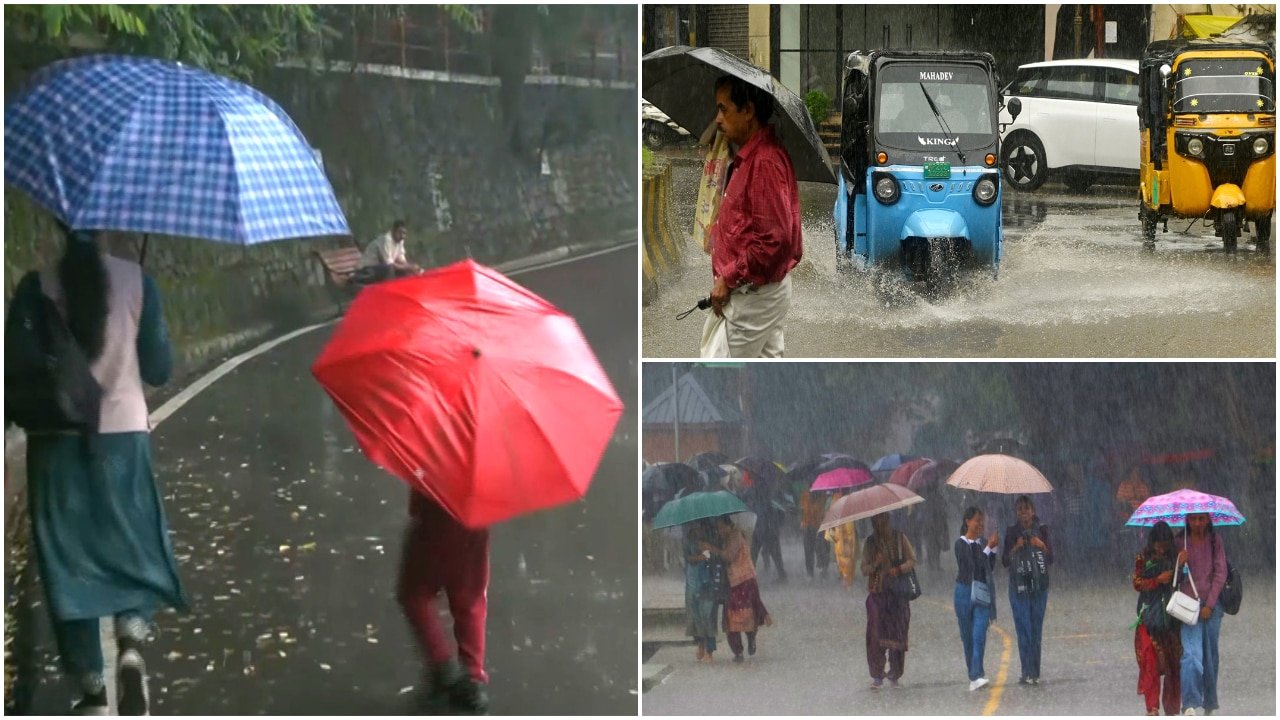
The Indian subcontinent is currently grappling with the devastating impacts of an exceptionally vigorous southwest monsoon season. Torrential rainfall, which has persisted across multiple states, has moved beyond seasonal norms, triggering catastrophic flash floods, extensive urban waterlogging, and significant structural damage. While the monsoon is the lifeblood of the Indian agrarian economy, the current intensity has shifted the narrative from beneficial replenishment to a state of national emergency, threatening both food security and rural livelihoods.
Meteorological data indicates that the current weather pattern is characterized by high-intensity precipitation events concentrated over short durations. This meteorological phenomenon has overwhelmed existing drainage infrastructure in urban centers and caused riverine systems to breach their banks in rural basins. As floodwaters surge through low-lying areas, the cumulative effect is a compounding crisis: the loss of standing crops, the destruction of essential rural infrastructure, and the displacement of livestock.
Agronomic Impact and Crop Vulnerability
The agricultural sector is bearing the brunt of this extreme weather event. For farmers, the timing of these floods is particularly detrimental. In many regions, crops are currently in critical growth stages, ranging from early vegetative development to flowering. Prolonged waterlogging creates an anaerobic environment in the soil, effectively suffocating root systems and preventing the uptake of essential nutrients. This environment is also a precursor to soil-borne pathogens and fungal diseases, which thrive in high-moisture conditions and can decimate yields even after the water recedes.
Furthermore, the physical force of flash flooding has led to widespread lodging—the bending or breaking of stalks—in cereal crops. Once a crop is lodged, harvesting becomes mechanically difficult and often results in significant grain quality degradation. Beyond the immediate crop loss, topsoil erosion is a major long-term concern. The high-velocity runoff strips away vital organic matter and fertilizers, leaving fields nutrient-depleted and requiring significant investment to restore soil health for the subsequent rabi season.
Infrastructure and Supply Chain Disruption
The impact of the monsoon extends well beyond the farm gate. The structural damage to rural infrastructure, including secondary roads, bridges, and culverts, has severely hampered the logistics of agricultural commerce. When transport corridors are severed, farmers are unable to move perishable goods to market, leading to localized gluts and post-harvest losses. In many instances, the inability to access essential inputs—such as fertilizers, pesticides, and fuel for irrigation pumps—has stalled necessary field maintenance.
Additionally, the destruction of localized storage facilities and godowns has left harvested produce vulnerable to moisture, leading to spoilage and a decline in market value. The disruption of these supply chains creates a ripple effect, increasing costs for both producers and consumers as market uncertainty drives price volatility. The challenge for local authorities and agricultural departments is now two-fold: providing immediate disaster relief while simultaneously assessing the long-term damage to the rural economy’s foundational infrastructure.
What This Means for Farmers
For the farming community, the current situation necessitates a shift toward proactive risk management and adaptive agronomy. The immediate priority for affected farmers is to facilitate water drainage from fields as quickly as possible. Where standing water persists, manual trenching may be required to prevent the total loss of the crop.
Once the water recedes, farmers should prioritize the following actions:
- Phytosanitary Assessment: Scout fields immediately for signs of fungal infection or bacterial blight. Consult with local agricultural extension offices regarding the application of appropriate fungicides to protect surviving plants.
- Soil Nutrient Management: Recognize that heavy rainfall often leaches mobile nutrients like nitrogen from the soil. A soil test will be essential once conditions stabilize to determine the necessary fertilization strategy for the remainder of the season.
- Crop Insurance and Documentation: Diligently document all flood damage, including photographs and field assessments. This documentation is critical for filing insurance claims and accessing government relief packages.
- Market Diversification: In the wake of significant losses, farmers should work closely with local cooperatives to understand market conditions and avoid distressed sales of damaged or lower-quality produce.
While the monsoon remains the primary driver of India’s agricultural productivity, the increasing frequency of extreme weather events underscores the necessity for investment in climate-resilient farming practices. Moving forward, the integration of better water management systems, the adoption of flood-tolerant crop varieties, and robust crop insurance participation will be the most effective tools for farmers to mitigate the risks posed by an increasingly volatile climate.