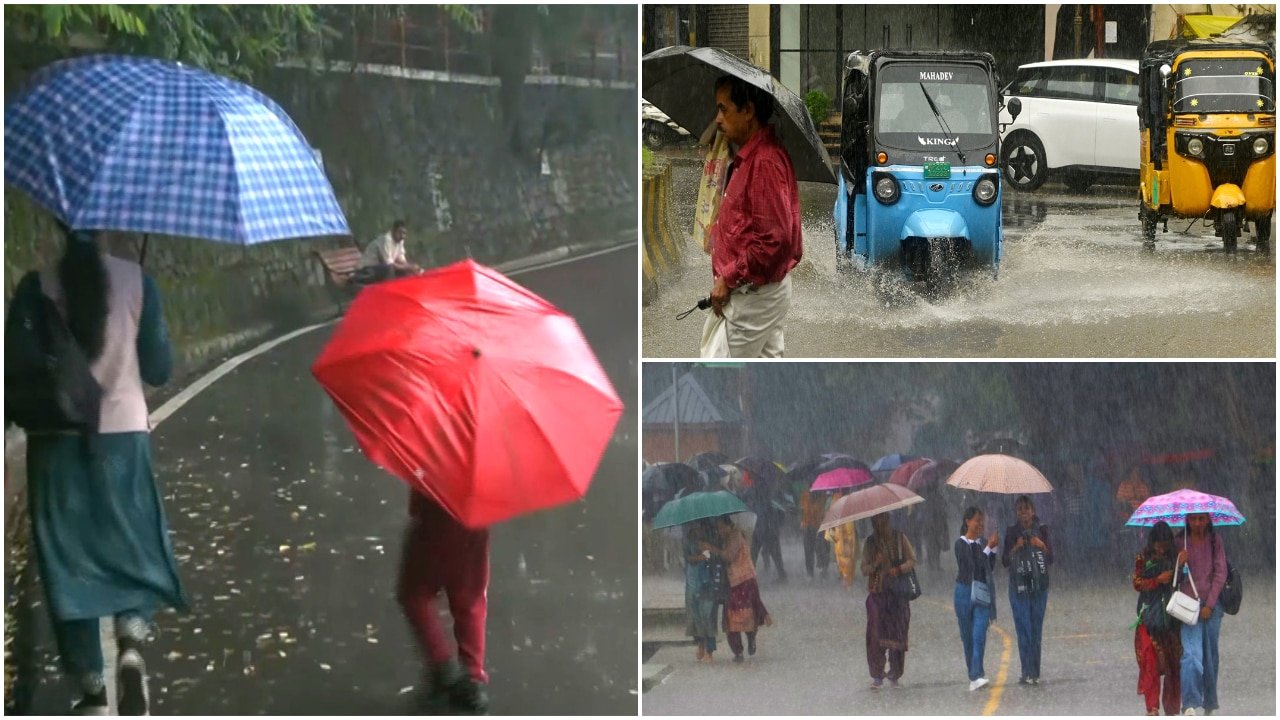
India Meteorological Department Issues High Alert as Intense Monsoon Activity Grips Odisha
The India Meteorological Department (IMD) has issued a critical weather advisory for Odisha, forecasting a period of "extremely heavy rainfall" as monsoon activity intensifies across the country. Meteorologists attribute this surge in precipitation to the anticipated development of a low-pressure system over the North Bay of Bengal. This cyclonic circulation is expected to act as a catalyst, pulling moisture-laden winds inland and triggering widespread, high-intensity showers across 22 states over the next 60 hours.
For Odisha, the alert marks a significant shift in weather patterns, with authorities bracing for potential flash flooding, waterlogging in low-lying areas, and disruptions to essential agricultural activities. The IMD’s long-range forecasting models indicate that the confluence of these atmospheric conditions will likely lead to sustained rainfall, necessitating heightened vigilance from local administration and the farming community alike.
Atmospheric Dynamics and Regional Impact
The core of this weather event lies in the North Bay of Bengal, where a developing low-pressure area is creating a significant pressure gradient. This system is effectively channeling moisture from the Bay, driving it deep into the eastern and central corridors of India. While Odisha remains the primary focus of the "extremely heavy" rainfall warnings, the impact is expected to be far-reaching, affecting nearly two-thirds of the country’s states.
The intensity of this monsoon pulse is not limited to mere volume; meteorologists are particularly concerned about the rate of precipitation. Sudden, high-intensity downpours pose a greater risk to soil integrity and infrastructure than steady, prolonged rain. In regions already saturated by previous monsoon spells, the risk of surface runoff and soil erosion is significantly elevated. Furthermore, the IMD has advised coastal districts to prepare for gusty winds and rough sea conditions, urging fishermen to avoid venturing into the deep sea during this 60-hour window of instability.
Agronomic Challenges and Crop Management
The timing of this intense rainfall is a critical factor for the agricultural sector. In many regions, crops are currently in sensitive stages of development. Excessive moisture at this juncture can lead to several agronomic challenges, including the leaching of nitrogen from the soil, which is essential for vegetative growth. Additionally, prolonged waterlogging in paddy fields—a staple crop for the region—can lead to root rot and create favorable conditions for fungal pathogens and pests.
Beyond the immediate threat to standing crops, the expected rainfall may also disrupt logistical chains. Farmers who have recently harvested early-season produce or are in the process of transporting inputs such as fertilizers and seeds may face delays. The saturation of rural access roads could hinder the movement of produce to local mandis, potentially creating temporary supply chain bottlenecks. Agricultural extension services are currently monitoring the situation to provide localized guidance as the low-pressure system evolves.
What This Means for Farmers
The IMD’s alert serves as a necessary call to action for the farming community to prioritize field management and damage mitigation. Farmers are advised to take the following steps to minimize the economic impact of the forecasted weather event:
- Ensure Field Drainage: Prioritize the maintenance of drainage channels in paddy fields and vegetable plots to prevent water stagnation, which is the primary cause of crop loss during heavy rainfall.
- Postpone Fertilizer Application: Delay the top-dressing of fertilizers, particularly nitrogen-based inputs, until the heavy rainfall subsides. Applying nutrients during a downpour results in significant loss due to runoff, rendering the investment ineffective.
- Secure Stored Harvests: Ensure that any harvested produce currently in transit or temporary storage is moved to elevated, moisture-proof locations to prevent spoilage and quality degradation.
- Monitor for Pest Outbreaks: High humidity and waterlogged soil environments often trigger a surge in pests and diseases. Farmers should remain vigilant for signs of fungal infections or localized pest infestations in the days following the rainfall and prepare to implement integrated pest management (IPM) strategies.
- Stay Informed: Continue to monitor local weather updates provided by the IMD or state agricultural departments. Weather patterns associated with low-pressure systems can shift rapidly; staying updated allows for more agile decision-making regarding field operations.
While the monsoon is vital for India’s agricultural economy, the current forecast of "extremely heavy rainfall" underscores the need for proactive climate-smart management. By taking small, preventative measures now, farmers can significantly protect their seasonal yields against the risks posed by this intense atmospheric disturbance.