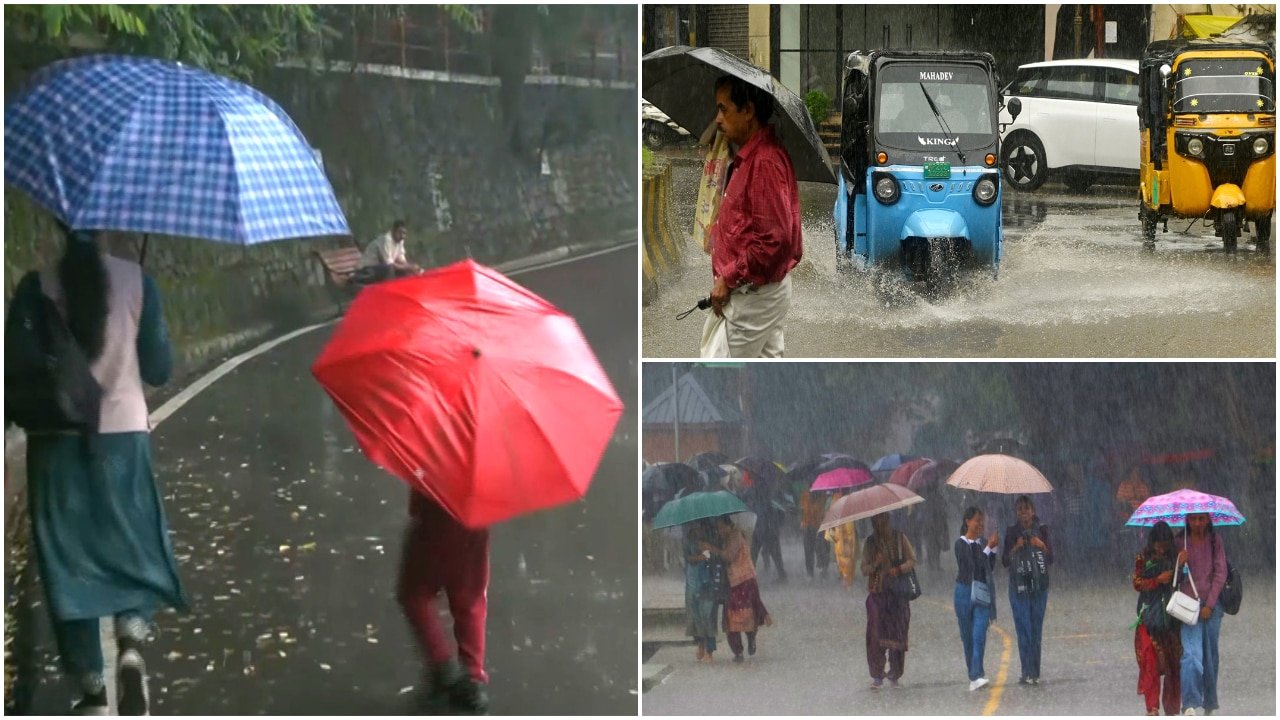
Himachal Pradesh Braces for Severe Weather as IMD Issues Orange Alert
The India Meteorological Department (IMD) has issued a high-level orange alert for various regions across Himachal Pradesh, signaling a period of heightened vigilance as the monsoon season intensifies. The alert, which serves as a precursor to potential extreme weather events, highlights the vulnerability of the Himalayan state to heavy precipitation, landslides, and sudden changes in hydrological conditions. As cloud cover blankets the region and scattered rainfall continues to impact day-to-day operations, state authorities and local communities are on high alert, prioritizing disaster preparedness and infrastructure monitoring.
In the Mandi district, despite the overarching atmospheric instability, the situation remains relatively contained for the time being. Local monitoring stations report that the Beas River, a critical artery for the region’s irrigation and hydroelectric power generation, is currently flowing at normal levels. While the persistent cloud cover has obscured the mountain peaks and dampened agricultural activity, there have been no reports of flash floods or significant rain-related disasters in the immediate vicinity. Nevertheless, the transition from scattered showers to sustained heavy rainfall remains a primary concern for district administrators and meteorological experts.
Infrastructure Resilience and Meteorological Monitoring
The issuance of an orange alert by the IMD is designed to prompt a proactive response from local government bodies, including the Public Works Department (PWD) and the State Disaster Management Authority. In mountainous terrains like Himachal Pradesh, the combination of saturated soil and intense rainfall can lead to catastrophic slope failures and road blockages, which are the most common challenges during the monsoon months. The current meteorological data suggests that the atmospheric conditions are ripe for intense convective activity, which can lead to unpredictable, localized cloudbursts—a recurring threat to the region's geography.
Agricultural and logistical stakeholders are keeping a close watch on the Beas River’s water levels. While the current flow is within safe parameters, regional authorities are utilizing real-time monitoring systems to track precipitation intensity in the upper reaches of the catchment areas. Historical data indicates that even when low-lying areas experience only moderate rain, heavy precipitation in the high-altitude zones can lead to sudden surges in river volumes, necessitating strict adherence to safety protocols and the avoidance of riverbanks during periods of inclement weather.
Agricultural Stability and Monsoon Management
For the farming communities across Mandi and the broader Himachal region, the current monsoon phase is a period of delicate balance. While the rainfall is essential for replenishing groundwater tables and supporting the state’s diverse horticultural crops—including apple orchards and seasonal vegetable production—the risk of waterlogging and soil erosion is significant. Sustained moisture levels can increase the susceptibility of crops to fungal infections and root rot, requiring farmers to ensure adequate field drainage and to monitor for early signs of plant stress.
The agricultural sector is currently in a state of cautious observation. Farmers are encouraged to maintain communication with local extension offices to stay updated on weather advisories. The persistence of heavy cloud cover, while protective against extreme solar heat, limits photosynthetic activity, which may impact the growth cycles of late-season crops. Managing these environmental variables requires a disciplined approach to field management and a readiness to pivot operations should the orange alert escalate into a more severe weather warning.
What This Means for Farmers
The current meteorological situation presents several practical implications for the agricultural community in Himachal Pradesh:
- Prioritize Drainage: Ensure that all field channels and drainage paths are clear of debris to prevent waterlogging, which can severely damage root systems during heavy rainfall events.
- Monitor Crop Health: Increased humidity and persistent moisture create an ideal environment for fungal and bacterial pathogens. Farmers should scout for signs of disease and be prepared to apply recommended preventive treatments if weather conditions permit.
- Exercise Caution Near Waterways: With an orange alert in place, avoid grazing livestock or operating machinery near the banks of the Beas River or its tributaries. Sudden, localized rainfall can cause rapid water level rises, even if the immediate area appears calm.
- Stay Informed: Rely on official IMD updates and district administration bulletins rather than unverified reports. Weather conditions in mountain regions can change rapidly, and timely information is the most effective tool for protecting both human life and valuable agricultural assets.
- Infrastructure Maintenance: Inspect temporary storage facilities and livestock shelters to ensure they are structurally sound and capable of withstanding high winds or prolonged heavy rain.