Central Government Sanctions Over Rs 2,100 Crore in Disaster Relief for Flood-Hit States
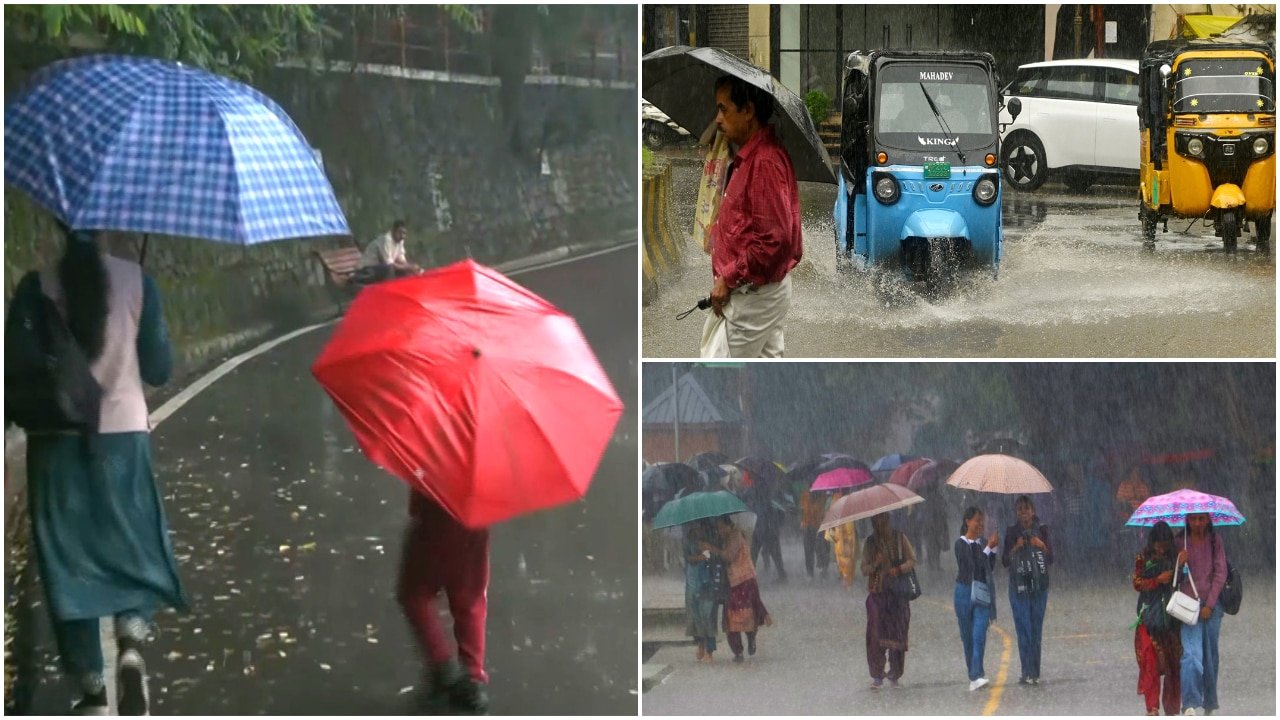
In a significant move to stabilize agrarian economies following the volatile 2026 southwest monsoon, Union Home Minister Amit Shah has approved the release of Rs 2,117.85 crore in central assistance. The funding, directed toward four states—Arunachal Pradesh, Assam, Gujarat, and Maharashtra—is designed to provide immediate fiscal relief for recovery efforts following widespread flooding and infrastructural damage caused by excessive rainfall during the monsoon season.
The Ministry of Home Affairs (MHA) confirmed that this allocation represents the advance release of the first installment of the State Disaster Response Fund (SDRF) for the 2026-27 financial year. By front-loading these resources, the central government aims to ensure that state administrations have the liquidity necessary to undertake emergency restoration work, support displaced farming communities, and mitigate the long-term impact on regional food supply chains.
Breakdown of Financial Allocation Across Impacted Regions
The distribution of funds reflects the varied intensity of the monsoon's impact across distinct geographical zones. According to the official MHA statement, the financial support is partitioned as follows:
- Gujarat: Rs 500 crore
- Maharashtra: Rs 500 crore
- Assam: Rs 379.35 crore
- Arunachal Pradesh: Rs 44.55 crore
The substantial allocation to Gujarat and Maharashtra underscores the severity of the flooding in these major industrial and agricultural hubs, where heavy rains often lead to significant damage to standing kharif crops, irrigation infrastructure, and rural logistics networks. For Assam, the funding is critical for managing the recurring seasonal inundation that frequently threatens agricultural productivity in the Brahmaputra valley. Meanwhile, the allocation for Arunachal Pradesh focuses on the unique challenges of mountain agriculture, where landslides and siltation often disrupt critical market access routes for farmers.
Addressing the Agrarian Crisis and Recovery Infrastructure
The 2026 monsoon season has presented a complex challenge for Indian agriculture, characterized by intense, localized precipitation events that have disrupted planting and harvesting cycles. Excess water has not only led to immediate crop loss in low-lying fields but has also increased the risk of post-harvest spoilage and soil erosion. The infusion of Rs 2,117.85 crore is intended to facilitate the repair of rural infrastructure, including secondary roads, embankments, and drainage systems, which are vital for the movement of agricultural produce.
Beyond physical infrastructure, state governments are expected to utilize these funds to expedite the assessment of crop damage. Accurate and rapid field surveys are essential for the effective distribution of input subsidies and the implementation of crop insurance schemes. By stabilizing state-level disaster response funds early in the fiscal year, the central government is signaling a shift toward proactive disaster management, ensuring that local administrative bodies can respond to agricultural distress without waiting for extensive bureaucratic delays.
What This Means for Farmers
For the farming community, this financial injection carries several practical implications. Firstly, it provides a safety net that enables local authorities to clear damaged irrigation channels and restore power supply to rural areas, both of which are critical for the upcoming Rabi sowing season. Farmers operating in the affected regions should take the following steps to leverage the situation:
- Document Losses Thoroughly: Farmers are advised to maintain meticulous records of damaged crops, including photographic evidence, to ensure that state-level surveys capture the full extent of their losses for potential compensation.
- Engage with Local Agricultural Offices: With central funds now flowing to the states, district-level agricultural departments will likely initiate relief distribution programs. Producers should remain in close contact with their local Krishi Vigyan Kendra (KVK) or district agricultural office for updates on input subsidies or seed replacement programs.
- Focus on Soil Health: Post-flood soil often suffers from nutrient leaching and compaction. Farmers should prioritize soil testing before the next planting cycle to determine if remedial fertilization is necessary, as the state government may provide support for soil conditioning as part of the disaster recovery effort.
- Monitor Market Access: As states utilize these funds to repair rural roads, farmers should anticipate improvements in logistics. However, in the short term, supply chain disruptions may persist. Diversifying storage options and coordinating with local farmer producer organizations (FPOs) can help mitigate the risk of market volatility during the recovery period.
Ultimately, while this central assistance provides a vital fiscal buffer, the resilience of the agricultural sector will depend on the efficiency with which these funds are deployed to the farm gate level over the coming months.