Strategic Labor Mobility: India and Japan Forge Ambitious Personnel Exchange Roadmap
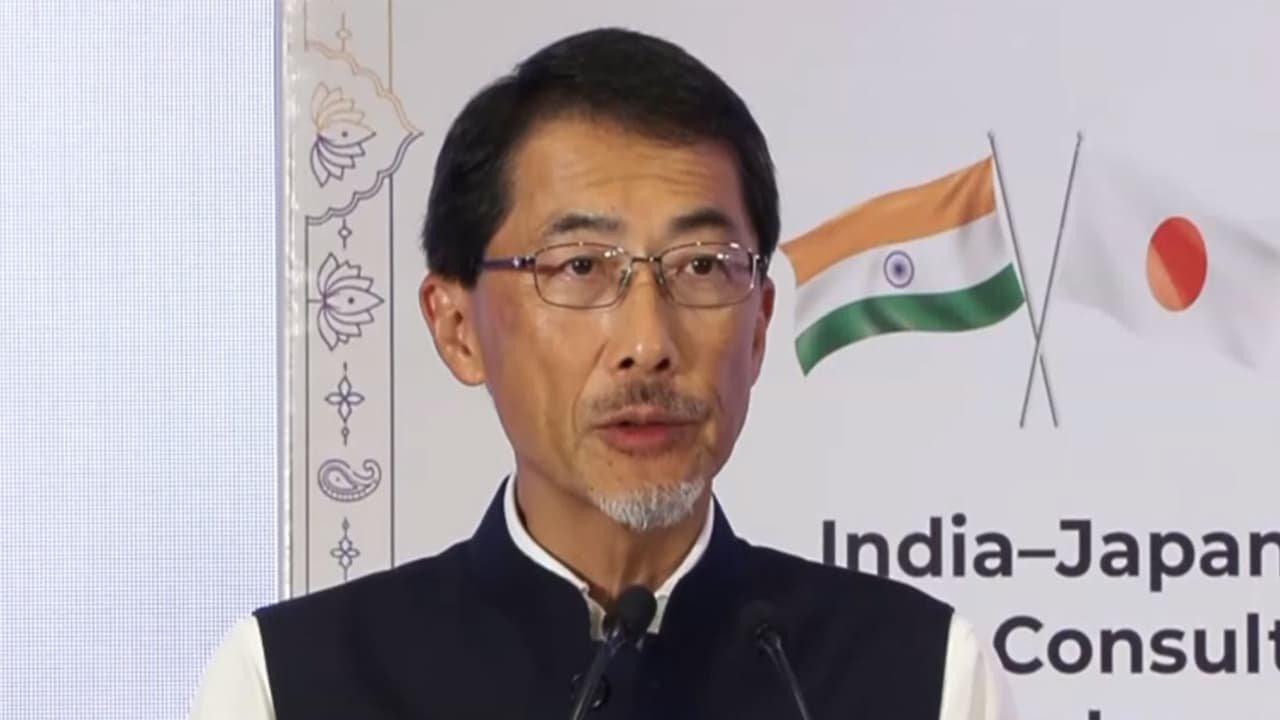
In a move set to redefine the bilateral workforce landscape, Japanese Ambassador Keiichi Ono has articulated a vision for a robust, two-way personnel exchange between India and Japan. With a target of 500,000 individuals moving between the two nations, the initiative aims to address Japan’s chronic labor shortages while providing Indian professionals with unprecedented access to advanced technical environments. This partnership is not merely a quantitative goal but a strategic calibration designed to harmonize India’s demographic dividend with Japan’s industrial and agricultural sophistication.
Addressing Structural Shortages Through Targeted Integration
Japan’s agricultural and industrial sectors have faced increasing pressure due to an aging population and a shrinking domestic workforce. Ambassador Ono emphasized that the success of this 500,000-personnel initiative hinges on moving beyond generic labor migration models. Instead, the focus is shifting toward "tailored strategies" that match Indian talent with specific skill gaps in sectors ranging from precision manufacturing and advanced robotics to high-tech agricultural management.
For the agricultural sector, this exchange represents a significant opportunity for technology transfer. Japan’s reliance on "Smart Agriculture"—the integration of IoT, automated machinery, and data-driven crop management—provides a unique learning environment for Indian personnel. By embedding skilled workers into these specialized systems, Japan aims to stabilize its labor supply, while Indian professionals gain expertise in high-yield, sustainable farming practices that can be adapted for the Indian domestic market upon their return.
Building a Sustainable Framework for Long-Term Collaboration
The roadmap for this exchange involves more than just visa facilitation; it requires the creation of institutional frameworks that ensure the linguistic and cultural integration of personnel. Ambassador Ono highlighted the necessity of robust training programs that go beyond basic language acquisition, focusing instead on the technical vernacular required for specialized roles in forestry, greenhouse cultivation, and food processing.
The bilateral framework is expected to leverage India’s growing youth population, which is increasingly seeking global opportunities in sectors that demand high technical competency. By streamlining the certification process and ensuring that skills acquired in Japan are recognized globally, the initiative seeks to create a "virtuous cycle" of knowledge exchange. This ensures that the mobility is not a "brain drain" but a collaborative effort that enhances the human capital of both nations, fostering innovation through diversity and cross-pollination of best practices.
What This Means for Farmers
For the Indian agricultural community, this development carries significant long-term implications, both for individual practitioners and for the broader industry trajectory:
- Access to Advanced Ag-Tech: Farmers and agricultural technicians participating in this exchange will gain firsthand experience with Japanese precision agriculture. This includes learning to operate autonomous tractors, drone-based monitoring, and climate-controlled hydroponic systems that maximize efficiency in resource-scarce environments.
- Diversification of Income Streams: As the exchange matures, it creates a pathway for Indian professionals to engage in international agricultural consultancy. The expertise gained in Japanese high-tech facilities can be monetized through improved productivity back home or through roles in agricultural equipment maintenance and management.
- Knowledge Transfer and Adoption: The return of skilled personnel will introduce new methodologies to the Indian agricultural landscape. Techniques in post-harvest management, supply chain optimization, and efficient water usage—all hallmarks of the Japanese agricultural sector—can be adapted to improve the sustainability and profitability of Indian farms.
- Strategic Economic Alignment: For those involved in agribusiness, this partnership suggests a future where Indian agricultural exports could be more closely aligned with international quality and safety standards, as personnel gain direct experience meeting the rigorous demands of the Japanese consumer market.
Ultimately, the India-Japan personnel exchange is a forward-looking strategy that recognizes that the future of agriculture lies in the integration of human expertise and cutting-edge technology. For the Indian farmer, staying informed about these developments is essential to capitalizing on the forthcoming opportunities for skill development and international collaboration.