Gujarat Leadership Highlights Educational Empowerment on Independence Day Eve
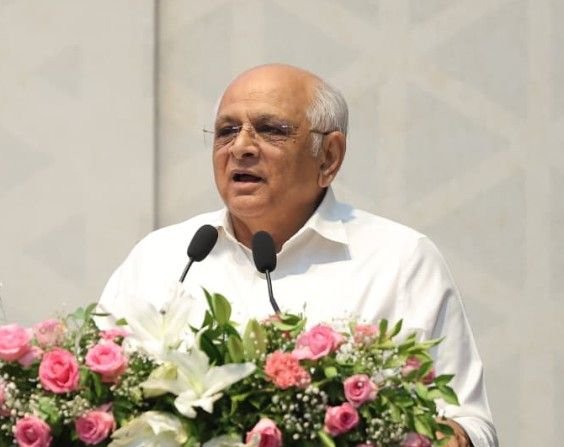
As the nation prepared to commemorate its 78th Independence Day, Gujarat Chief Minister Bhupendra Patel undertook a significant visit to the Amreli district, blending traditional cultural observance with a forward-looking policy agenda centered on youth development. The visit served as a symbolic bridge between the state’s historical identity and its commitment to the future of its agrarian and professional workforce.
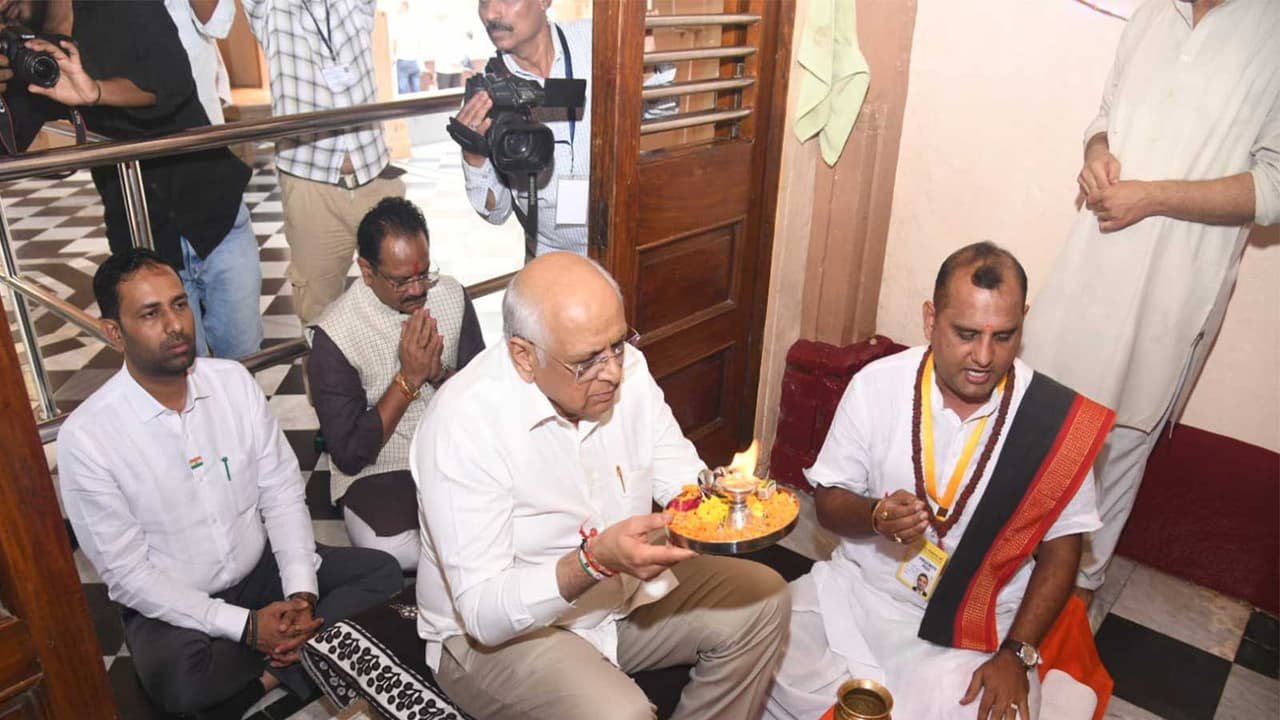
The Chief Minister’s itinerary began with a spiritual visit to the historic Shri Nagnath Mahadev Temple, where he offered prayers for the prosperity and well-being of the state’s citizens. Following the observance, the focus shifted rapidly to the administration’s flagship educational initiatives, which are designed to provide robust financial support to students across the region. The event underscored the government’s multifaceted approach to governance, balancing community values with strategic investment in human capital.
Investing in the Future: The Namo Laxmi and Namo Saraswati Schemes
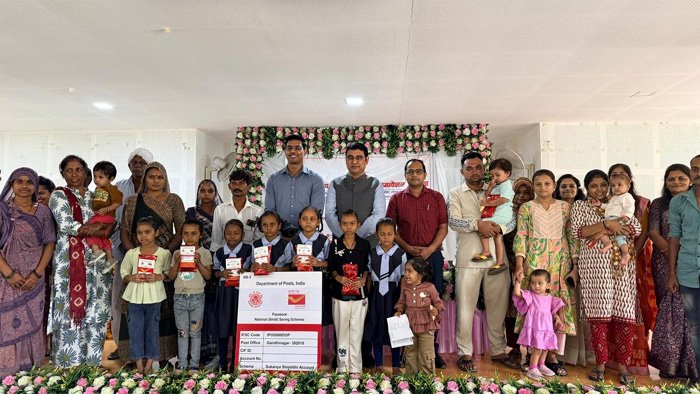
A primary highlight of the visit was the formal distribution of financial assistance under the "Namo Laxmi" and "Namo Saraswati" schemes. With a cumulative disbursement exceeding Rs. 646 crore, these programs are reaching more than 4.7 lakh students across Gujarat. These initiatives reflect a growing trend in state-level policy: providing direct cash transfers to mitigate the rising costs of secondary and higher secondary education.
The Namo Laxmi scheme specifically targets female students, aiming to address gender disparities in educational attainment and reduce dropout rates among adolescent girls. By providing financial incentives, the government seeks to ensure that economic constraints do not hinder the academic progression of young women, particularly in rural and semi-urban districts like Amreli. Simultaneously, the Namo Saraswati scheme is structured to support students pursuing higher education, providing the necessary liquidity to cover tuition, books, and essential educational materials. This injection of capital into the education sector is intended to foster a more skilled and competitive workforce, which is essential for the long-term economic stability of a state heavily reliant on both industrial output and advanced agricultural practices.
Modernizing the Agrarian Landscape Through Education
For a state like Gujarat, where agriculture remains the backbone of the economy, the link between education and land productivity cannot be overstated. The policy focus on student welfare is increasingly viewed as an indirect investment in the modernization of the agricultural sector. As younger generations become more educated, they are better equipped to adopt precision farming technologies, manage supply chain logistics, and implement sustainable water management practices that define modern, high-yield agriculture.
By alleviating the financial burden on families, the state government is effectively enabling households to redirect limited resources toward farm improvements, such as the adoption of drip irrigation systems, high-quality seeds, and advanced fertilizers. The presence of the Chief Minister in an agricultural hub like Amreli serves as a reminder that the prosperity of the farming community is inextricably linked to the educational success of the next generation of rural leaders.
What This Means for Farmers
For the farming community, these developments carry significant practical and economic implications. Firstly, the financial relief provided by the Namo Laxmi and Namo Saraswati schemes offers a degree of fiscal cushioning for farming families. When educational costs are subsidized, the pressure on agricultural income is reduced, allowing farmers to maintain greater liquidity for operational expenses and seasonal inputs.
Secondly, the focus on education is a long-term strategy for agricultural resilience. As students graduate with higher levels of literacy and technical training, the agricultural sector can expect a shift toward more professionalized management. Farmers are advised to take advantage of these government schemes to ensure that their children—the future stewards of their land—are equipped with the knowledge required to navigate modern market volatility and climate-smart agricultural challenges.
Finally, the government's visible commitment to Amreli suggests that rural infrastructure and social support systems remain a high priority. Farmers should stay informed about upcoming state-sponsored educational and agricultural workshops that often coincide with these types of administrative visits. Engaging with these programs is a proactive step toward ensuring that family farming enterprises remain viable, competitive, and capable of adapting to the demands of the 21st-century global economy.