The Rising Controversy Surrounding Haryanvi Pop Music
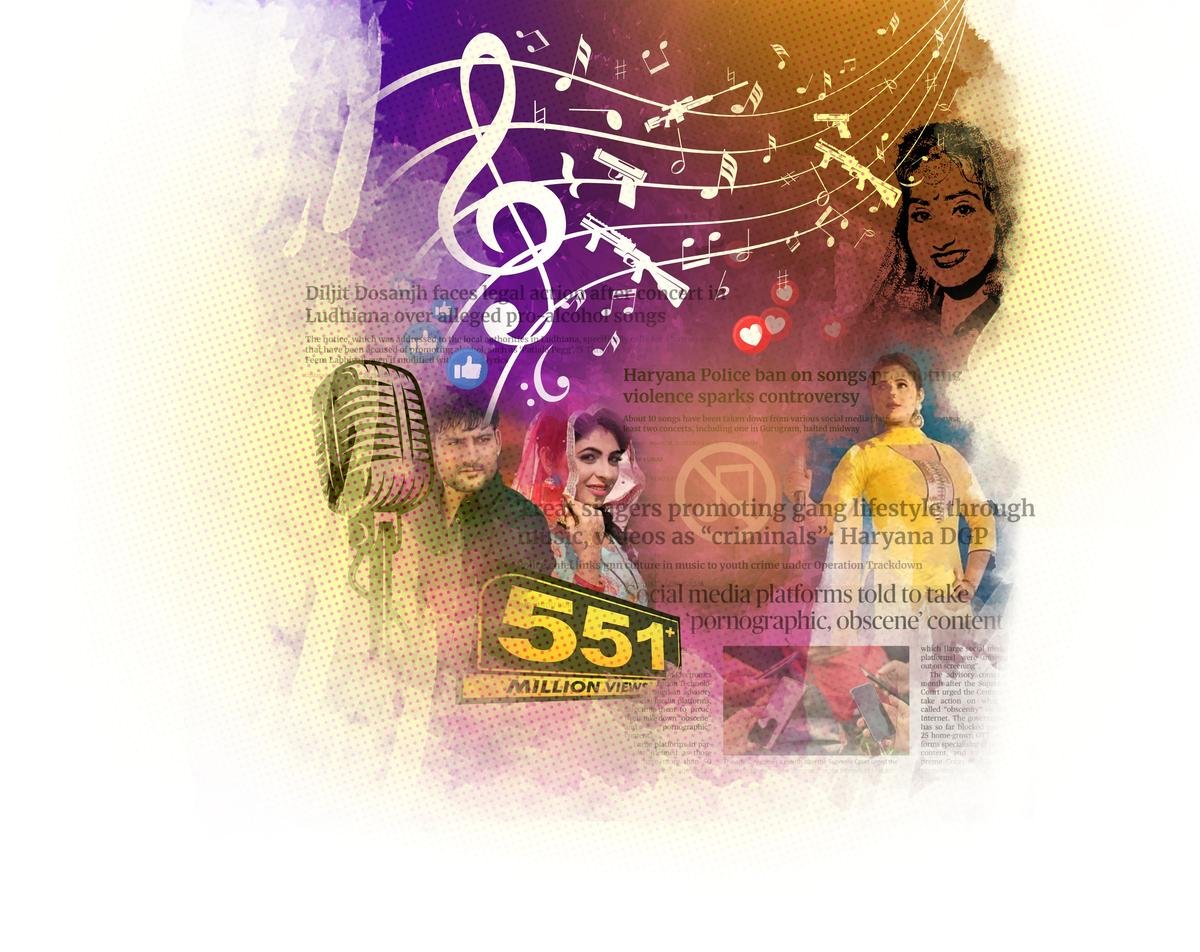
A significant trend has emerged within the regional entertainment landscape of Haryana, where a surge in Haryanvi pop music is drawing both widespread attention and intense scrutiny. According to reports from The Hindu, this musical movement is characterized by a distinctive fusion of traditional cultural elements with themes centered on weaponry, violence, and the glorification of criminal elements, commonly referred to as "goons."
This shift in content has sparked a broader public debate regarding the influence of such media on regional culture and societal values. While the music industry in the state continues to grow in popularity, the integration of provocative imagery and lyrical themes has become a point of contention for observers and critics alike.
The Fusion of Tradition and Violence
The core of the controversy lies in how modern Haryanvi pop artists are choosing to represent the state’s identity. Historically, regional music often focused on folklore, agricultural life, or social commentary. However, the current wave of pop production appears to be moving in a different direction.
The phenomenon involves:
- Thematic Blending: Artists are increasingly mixing traditional musical styles and cultural motifs with narratives that emphasize physical strength and dominance.
- Glorification of Weaponry: The frequent depiction of guns in music videos and the inclusion of lyrics referencing firearms has raised concerns about the normalization of violence.
- Criminal Narratives: The portrayal of "goons" or individuals associated with criminal behavior as aspirational figures is a recurring element that has invited criticism from various sections of society.
Societal Concerns and Public Reaction
The rise of this specific sub-genre of Haryanvi music has not gone unnoticed by those concerned with the potential impact on local youth and public discourse. The blending of traditional heritage with aggressive, violent imagery has created a stark divide in how the music is perceived.
Critics argue that by romanticizing criminal behavior and the use of weapons, these pop songs may inadvertently contribute to a culture that values aggression. Conversely, supporters often point to the creative freedom of the artists, though this perspective is frequently challenged by the intensity of the imagery used in the content.
Understanding the Cultural Shift
The rapid growth of this music scene highlights a transformation in digital content consumption within Haryana. As digital platforms make it easier for regional artists to reach global audiences, the pressure to create "provocative" content to gain views has reportedly led many producers to lean into more extreme themes.
According to the information provided, the following factors are central to the ongoing discussion:
- Media Influence: The power of music videos to shape public perception, particularly among younger demographics.
- Cultural Identity: The struggle between preserving traditional values and adapting to modern, often sensationalized, entertainment trends.
- Public Scrutiny: The growing demand for more responsible content creation in the face of concerns regarding the promotion of violence.
As the debate continues, the intersection of Haryanvi pop music and the portrayal of violence remains a subject of significant interest. The tension between artistic expression and the potential societal consequences of these themes suggests that this controversy is likely to persist as the regional music industry continues to evolve.