India Meteorological Department Issues Widespread Alerts as Monsoon Intensifies Across Key Agricultural Regions
The India Meteorological Department (IMD) has released its comprehensive weather outlook for July 24, signaling a period of intensified monsoon activity across significant portions of the Indian subcontinent. As the monsoon trough shifts and strengthens, the meteorological agency has placed several states on high alert, warning of heavy to very heavy rainfall that could disrupt both urban infrastructure and rural agricultural operations.
For farmers, this updated forecast is a critical indicator of the shifting moisture patterns that will dictate the success of the ongoing Kharif sowing season. With the monsoon being the lifeblood of India's agricultural economy, the IMD’s latest bulletin provides essential data for land management, irrigation scheduling, and crop protection strategies over the coming 24 to 48 hours.
Regional Rainfall Distribution and Alert Status
The latest IMD satellite imagery and numerical weather models indicate a complex distribution of rainfall across the country. Key states, including Maharashtra and Gujarat, remain focal points for the weather bureau as deep-seated moisture incursions from the Arabian Sea collide with localized cyclonic circulations.
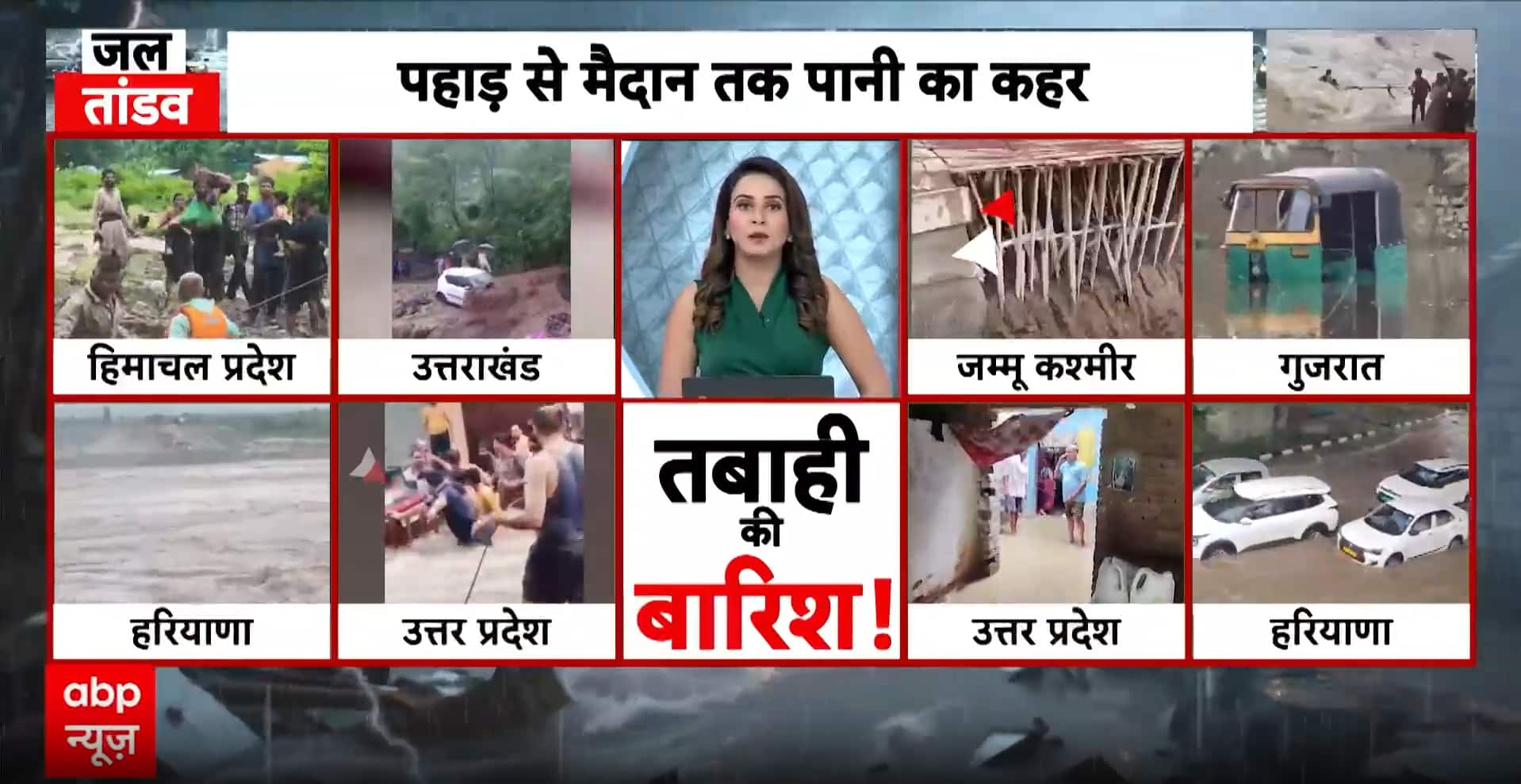
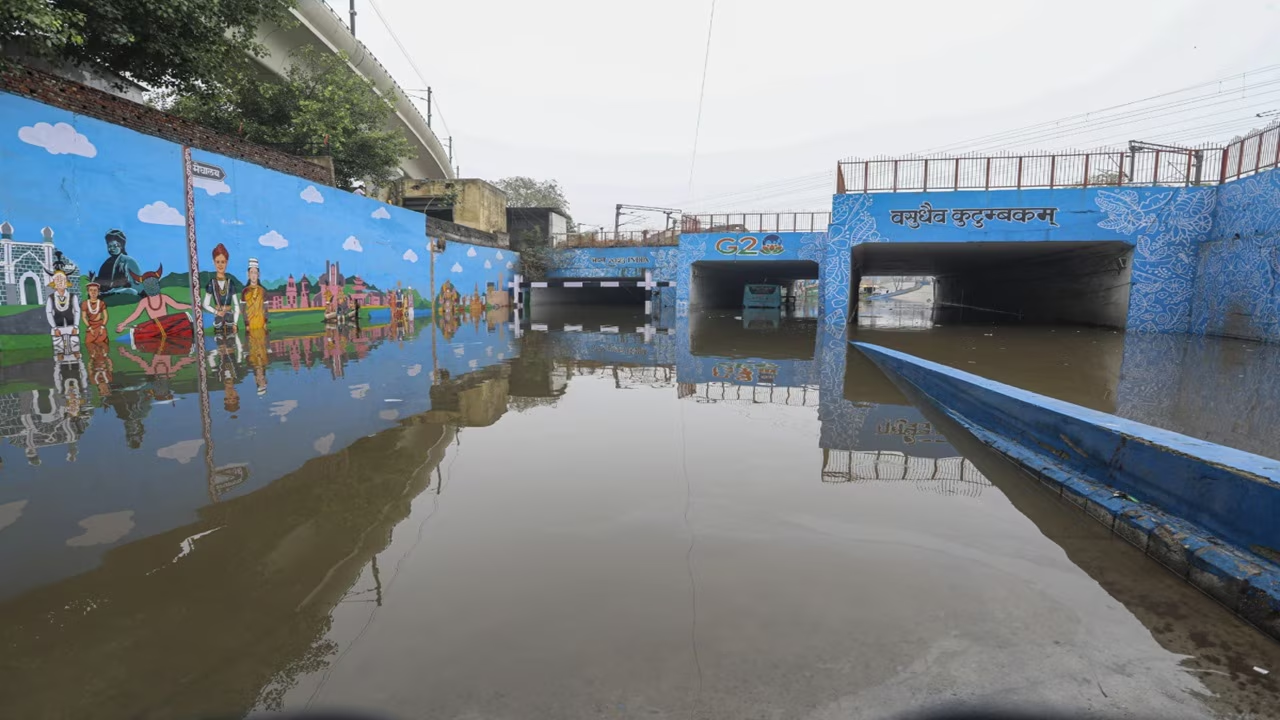
In Maharashtra, the Konkan and Ghat regions are bracing for sustained precipitation, which is typical for this time of year but carries risks of localized flooding in low-lying fields. Similarly, parts of Gujarat are under close observation, with districts expecting heavy downpours that could impact standing crops if drainage systems are not adequately prepared. Meanwhile, in the National Capital Region (NCR) of Delhi, the forecast suggests intermittent light to moderate rainfall. While this may offer some respite from heat, the IMD continues to monitor the capital for sudden cloud bursts that could influence local vegetable markets and supply chain logistics.
The IMD has categorized the severity of these events using its color-coded warning system. Red alerts, indicating the highest level of caution, have been issued for specific sub-divisions where rainfall is expected to exceed thresholds that trigger flash flooding or severe waterlogging. Farmers in these identified "red zones" are advised to prioritize the safeguarding of livestock and the implementation of soil erosion prevention measures.
Agronomic Implications of Persistent Monsoon Rains
The current weather pattern presents a double-edged sword for the agricultural sector. On one hand, the widespread rainfall is essential for replenishing reservoirs and providing the necessary moisture for crops such as paddy, soybeans, and pulses that are currently in their vegetative growth phase. Adequate soil moisture at this juncture is vital for ensuring robust root development and canopy expansion.
However, excessive moisture—particularly in areas receiving prolonged heavy rainfall—poses significant agronomic challenges. Waterlogging can lead to the asphyxiation of roots, increased susceptibility to fungal pathogens, and the leaching of essential nitrogenous fertilizers from the soil profile. Furthermore, high-velocity winds often accompanying such heavy rainfall events can lead to crop lodging, especially in taller varieties of paddy and maize, which can significantly reduce final yields and complicate mechanical harvesting efforts later in the season.
What This Means for Farmers
The IMD forecast for July 24 is more than just a weather report; it is a call to action for the farming community. To navigate these conditions effectively, farmers should consider the following practical steps:
- Prioritize Field Drainage: Ensure that drainage channels in fields are clear of debris. Reducing water stagnation is the single most effective way to prevent root rot and disease outbreaks in water-sensitive crops.
- Monitor for Pest and Disease: High humidity and consistent rainfall create an ideal environment for pests and fungal infections. Farmers should conduct field inspections for early signs of blight, rust, or increased aphid activity and consult with local extension officers regarding the application of appropriate, rain-fast fungicides if necessary.
- Review Fertilizer Application Schedules: Given the risk of nutrient leaching during heavy rains, it is advisable to postpone top-dressing of fertilizers until the immediate threat of heavy downpours has passed. Applying fertilizers during a dry window will ensure better uptake and minimize waste.
- Secure Livestock and Assets: Move livestock to elevated, dry shelters well before the onset of the predicted heavy rainfall. Ensure that all farm machinery and harvested produce are stored in moisture-proof conditions to prevent degradation and financial loss.
- Stay Informed: Continue to monitor district-level bulletins issued by the IMD and local Krishi Vigyan Kendras (KVKs). These localized updates provide more granularity than national forecasts and are tailored to the specific agro-climatic conditions of your region.
By remaining vigilant and proactive, farmers can mitigate the risks associated with volatile monsoon weather, ensuring that the moisture provided by these systems contributes to a bountiful harvest rather than crop loss.