India Braces for Widespread Monsoon Surge as IMD Issues High-Alert Bulletin
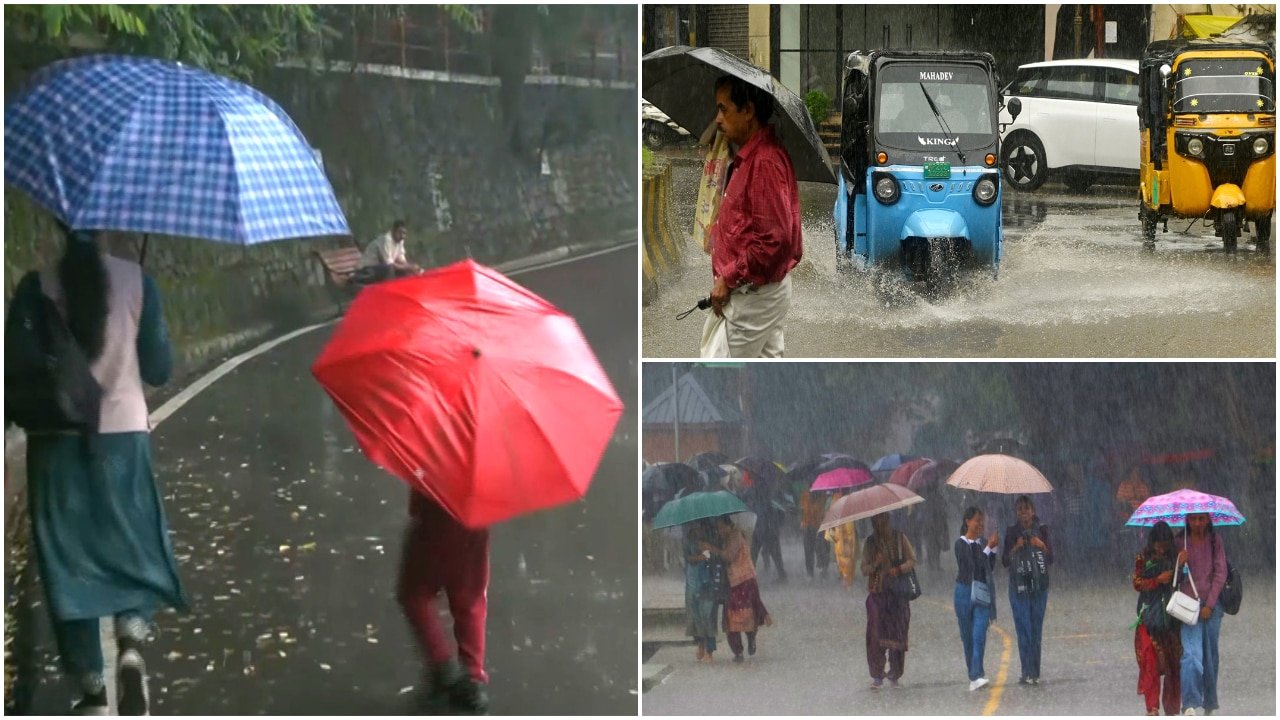
The India Meteorological Department (IMD) has issued a comprehensive weather update signaling a significant intensification of the Southwest Monsoon. Following a period of relative atmospheric stagnation in several regions, the meteorological agency has projected a surge in moisture-laden winds, leading to widespread rainfall activity across the subcontinent. The most critical developments are centered over the western coast and parts of Gujarat, where the IMD has issued alerts for extremely heavy precipitation, raising concerns regarding localized flooding and agricultural water management.
This active phase of the monsoon is being driven by the formation of low-pressure systems and the strengthening of offshore troughs, which are funneling moisture from the Arabian Sea directly into the hinterlands. While the rainfall is vital for the replenishment of reservoirs and groundwater tables, the intensity of the projected downpours requires heightened vigilance from both disaster management authorities and the agrarian community. The IMD’s latest models indicate that this weather pattern will not be confined to a single pocket but will likely traverse a broad geographic swath, influencing crop conditions in diverse agro-climatic zones.
The Meteorological Dynamics Behind the Rainfall Surge
The current atmospheric configuration is characterized by a favorable synoptic setup that facilitates the deep penetration of monsoon currents. In meteorological terms, the alignment of cyclonic circulations and the shift in the monsoon trough position have created a conduit for intense cloud formation. For the state of Gujarat, which has been identified as a primary focus area, the convergence of these systems is expected to result in prolonged spells of heavy rain.
Beyond Gujarat, the IMD bulletin suggests that the monsoon’s reach will extend across the central and northern plains. This widespread activity is essential for sustaining the kharif cropping season, which relies heavily on the timely and uniform distribution of rainfall. However, the intensity of the precipitation—often categorized by the IMD as "extremely heavy"—poses a risk of soil erosion and waterlogging in low-lying fields. Agronomists note that while moisture is the lifeblood of the summer crop, the sheer volume of water expected in a short duration can lead to nutrient leaching and physiological stress in crops like cotton, pulses, and oilseeds if drainage mechanisms are not adequately maintained.
Infrastructure and Soil Moisture Management
As the monsoon intensity scales up, the primary challenge shifts from drought mitigation to flood and drainage management. In regions expecting heavy rainfall, the saturation of topsoil is imminent. This presents a dual-edged situation: while deep-soil moisture reserves will be bolstered for the remainder of the season, the immediate risk to crop health involves the potential for root rot and anaerobic conditions caused by stagnant water.
Farmers are being advised to monitor their field drainage infrastructure, ensuring that water channels are clear of debris to prevent the inundation of standing crops. Furthermore, the IMD’s advisory underscores the necessity of monitoring local weather forecasts, as the volatile nature of the monsoon can lead to rapid changes in precipitation levels over short distances. The combination of high wind speeds often associated with these intense rainfall events also necessitates that farmers take precautions against lodging, particularly in taller, more vulnerable crop varieties.
What This Means for Farmers
The intensified monsoon activity brings both economic opportunity and operational risk. For producers, the immediate implications are as follows:
- Drainage Prioritization: In areas under heavy rainfall alerts, ensuring efficient field drainage is paramount. Standing water for more than 48 hours can significantly reduce crop yields by suffocating root systems and promoting fungal pathogens.
- Nutrient Management: Heavy rain can lead to the leaching of nitrogen-based fertilizers. Farmers may need to adjust their top-dressing schedules, opting for split applications once the heavy rainfall subsides to ensure maximum nutrient uptake by the plants.
- Pest and Disease Monitoring: High humidity and waterlogged conditions create the perfect breeding ground for various pests and fungal diseases. A proactive scouting program should be implemented immediately following the cessation of the heavy rain spells.
- Harvesting and Logistics: For farmers in regions where harvest preparation is underway, the forecast necessitates a review of storage logistics. Protecting harvested produce from moisture damage is critical to maintaining quality and market value.
- Strategic Planning: While the rainfall is generally beneficial for the overall water security of the nation, farmers should use the IMD’s granular forecasts to plan field activities, such as weeding or pesticide application, avoiding windows of extreme weather to maximize the efficacy of their inputs.
In conclusion, while the IMD’s forecast of widespread rainfall is a positive signal for the overall health of the agricultural sector, the intensity of the predicted weather demands a disciplined approach to field management. By staying informed through official bulletins and prioritizing proactive drainage and crop protection measures, farmers can successfully navigate the challenges posed by this vigorous phase of the monsoon.