India Meteorological Department Issues Severe Weather Alert for Central and Western Regions
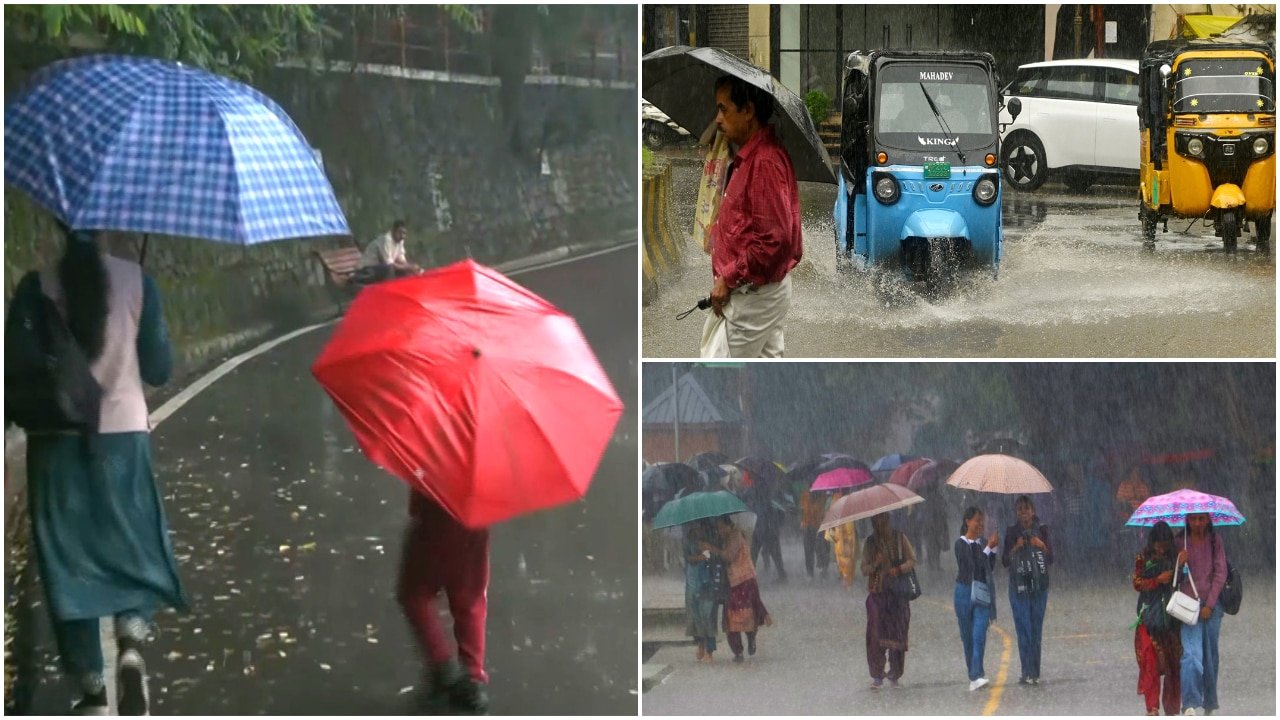
The India Meteorological Department (IMD) has issued an urgent weather advisory, warning of impending heavy to very heavy rainfall across key agricultural heartlands in western and central India. As the southwest monsoon maintains its vigorous momentum, the meteorological agency has identified Gujarat, East Rajasthan, and Madhya Maharashtra as the primary areas of concern. The forecast, which spans the next 48 hours, indicates that persistent low-pressure systems are set to trigger widespread thunderstorms and intense precipitation, posing significant challenges for ongoing seasonal agricultural operations.
Synoptic Conditions and Regional Impact
Meteorological data suggests that the active phase of the monsoon is currently being fueled by a combination of moisture-laden winds from the Arabian Sea and a series of cyclonic circulations over the region. For the agricultural belts of Gujarat and Madhya Maharashtra, this transition represents a critical period in the kharif cropping cycle. While the monsoon is essential for replenishing reservoirs and maintaining groundwater levels, the intensity forecasted by the IMD suggests a high risk of surface runoff and potential waterlogging in low-lying fields.
In East Rajasthan, where soil moisture levels are already substantial, the arrival of further heavy rainfall could lead to localized flooding. The IMD has highlighted that these weather patterns are characterized by convective activity, meaning that rainfall will likely be accompanied by gusty winds and frequent lightning strikes. These atmospheric conditions are notoriously difficult to predict with pinpoint accuracy, necessitating a high state of alert for district-level disaster management teams and agricultural extension services.
Agronomic Risks and Crop Protection Strategies
The timing of this heavy rainfall coincides with a sensitive phase for many standing crops. Excessive soil moisture during this stage of development can lead to oxygen deprivation in root zones, commonly known as waterlogging stress, which significantly hinders nutrient uptake and can lead to the onset of soil-borne fungal diseases. Furthermore, the combination of high humidity and wind increases the risk of lodging—the permanent displacement of stems from their vertical position—particularly in cereal crops that are currently in their vegetative or early reproductive stages.
- Soil Saturation: Prolonged rainfall may lead to the leaching of nitrogen-based fertilizers, potentially necessitating post-event nutrient management to maintain yield potential.
- Pest and Disease Proliferation: High humidity and static water facilitate the spread of bacterial blight and various fungal pathogens, requiring farmers to monitor field health closely once the skies clear.
- Infrastructure Integrity: Strong winds and thunderstorms pose a direct threat to farm structures, irrigation equipment, and power lines, which are vital for maintaining mechanized farming operations.
What This Means for Farmers
For the farming community, this advisory serves as a call for proactive risk mitigation. The immediate priority should be the assurance of field drainage. Farmers are advised to clear drainage channels around their plots to prevent water stagnation, which is the primary driver of crop loss during heavy monsoon spells. If fields are already saturated, it is recommended to defer any scheduled fertilizer applications, as the risk of nutrient runoff is extremely high during active downpours.
From an economic perspective, the uncertainty brought by these weather events highlights the importance of agricultural insurance and risk management. Farmers should document any damage caused by extreme weather—such as crop lodging or soil erosion—immediately, as this data is essential for filing claims under state or national crop insurance schemes. Furthermore, in areas prone to lightning, field workers are urged to prioritize personal safety and avoid seeking shelter under isolated trees or near metal equipment during thunderstorm activity.
While the monsoon remains the lifeblood of Indian agriculture, the increasing frequency of extreme weather events requires a shift toward more resilient farming practices. This includes the implementation of raised-bed planting techniques where appropriate and the selection of flood-tolerant crop varieties for the next planting season. By staying informed through official IMD bulletins and maintaining close contact with local agricultural extension offices, farmers can better navigate these volatile weather windows and protect their seasonal investments.