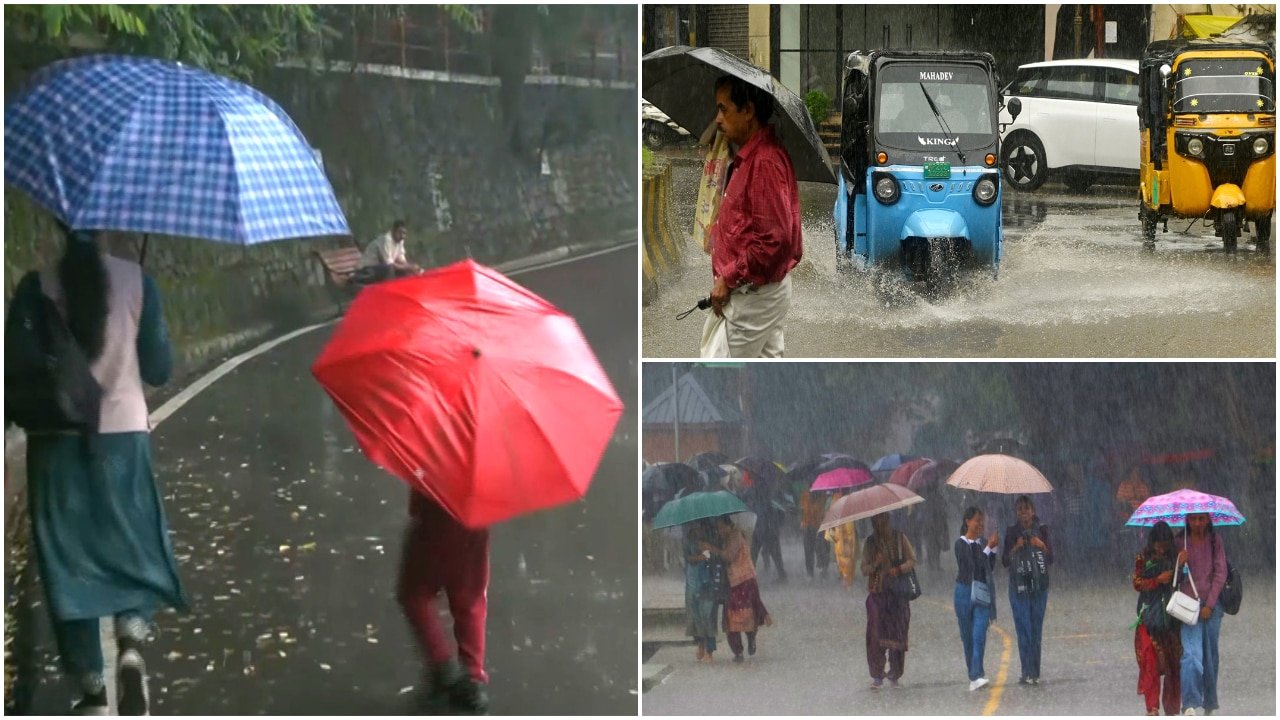
Meteorological Department Issues High-Alert Warning Across 16 States as Monsoon Intensifies
The India Meteorological Department (IMD) has issued a critical weather advisory as the monsoon cycle enters a phase of heightened volatility. With a fresh alert covering 16 states, including major agricultural hubs like Uttar Pradesh, Bihar, and the National Capital Region of Delhi, authorities are bracing for a period of extreme weather. The forecast indicates that within the next 17 hours, these regions will experience a combination of torrential rainfall and high-velocity winds, with gusts potentially reaching speeds of up to 85 kilometers per hour.
This rapid intensification of the monsoon is attributed to the convergence of moisture-laden winds from the Bay of Bengal and the Arabian Sea, coupled with localized atmospheric disturbances. As these systems collide over the northern and central plains, the resulting weather patterns are expected to trigger widespread precipitation. Meteorologists have characterized this event as a significant spike in monsoon activity, necessitating immediate caution for both urban centers and rural farming communities.
Assessing the Meteorological Impact and Regional Vulnerability
The intensity of the projected rainfall presents a dual challenge: the risk of flash flooding in low-lying areas and potential structural damage caused by the high-speed winds. The 16 states currently under the IMD watch list are experiencing the peak of the monsoon's second half, a period where soil saturation levels are already high. Any additional influx of heavy rain carries a heightened risk of waterlogging, which can be catastrophic for standing crops and local infrastructure.
The wind speed, forecasted to touch 85 kilometers per hour, is particularly concerning for agricultural landscapes. At such velocities, high-reaching crops—such as maize, sugarcane, and early-harvest horticultural produce—are susceptible to lodging, a process where stems bend or break, leading to significant yield losses. Furthermore, the accompanying squalls pose risks to unshielded farm equipment and temporary irrigation structures. Regional authorities have been advised to monitor the situation closely, as the rapid onset of these conditions leaves little time for reactive measures once the storm cells make landfall.
Managing Infrastructure and Crop Safety Under Extreme Weather
The IMD’s alert serves as a stark reminder of the increasing unpredictability of monsoon patterns, which have become a defining variable in modern agricultural planning. As the storm front moves across the affected states, the focus of meteorological agencies remains on real-time tracking and the dissemination of district-level warnings. The speed of the projected winds suggests that this is not merely a rainfall event but a severe convective storm, requiring proactive risk mitigation from those in the path of the system.
For rural districts, the primary concern remains the management of water runoff. In regions with poor drainage, the rapid accumulation of water can lead to root rot in sensitive crop varieties, effectively drowning the plant’s root system in oxygen-depleted soil. Farmers are being urged to ensure that field drainage channels are clear of debris to facilitate the rapid movement of excess water, thereby minimizing the duration of inundation.
What This Means for Farmers
The current weather alert carries immediate economic and operational consequences for the farming community. To navigate this period of heightened risk, producers should prioritize the following actions:
- Secure Infrastructure: Ensure that temporary structures, greenhouses, and livestock shelters are reinforced to withstand wind speeds of up to 85 km/h. Loose equipment should be moved indoors, and irrigation pumps should be protected from potential flooding.
- Field Drainage Management: If time permits before the onset of the storm, clear all drainage ditches and outlets. Preventing water stagnation is the most effective way to protect crops from long-term damage caused by excessive soil moisture.
- Post-Storm Assessment: Once the weather clears, conduct a thorough inspection of fields to identify signs of lodging or pest outbreaks, which often proliferate in the humid, stagnant conditions that follow heavy rain.
- Market and Supply Chain Readiness: Farmers should anticipate potential logistics delays. High-speed winds and torrential rain often disrupt rural road connectivity, meaning that the transport of perishable goods to markets may be hindered. Planning harvest schedules and storage accordingly is essential to minimize post-harvest losses.
- Stay Informed: Rely strictly on official IMD bulletins and local agricultural extension services for localized updates. Avoid relying on speculative weather reports, as precise tracking of these rapid-onset systems is crucial for making informed decisions regarding field operations.
While the monsoon is essential for replenishment of water tables, the severity of this specific weather event underscores the need for resilience and adaptability in agricultural practices. By taking precautionary measures now, farmers can significantly mitigate the impact of this volatile weather window.