Monsoon Resurgence: IMD Issues High-Alert Rainfall Warnings Across 17 States
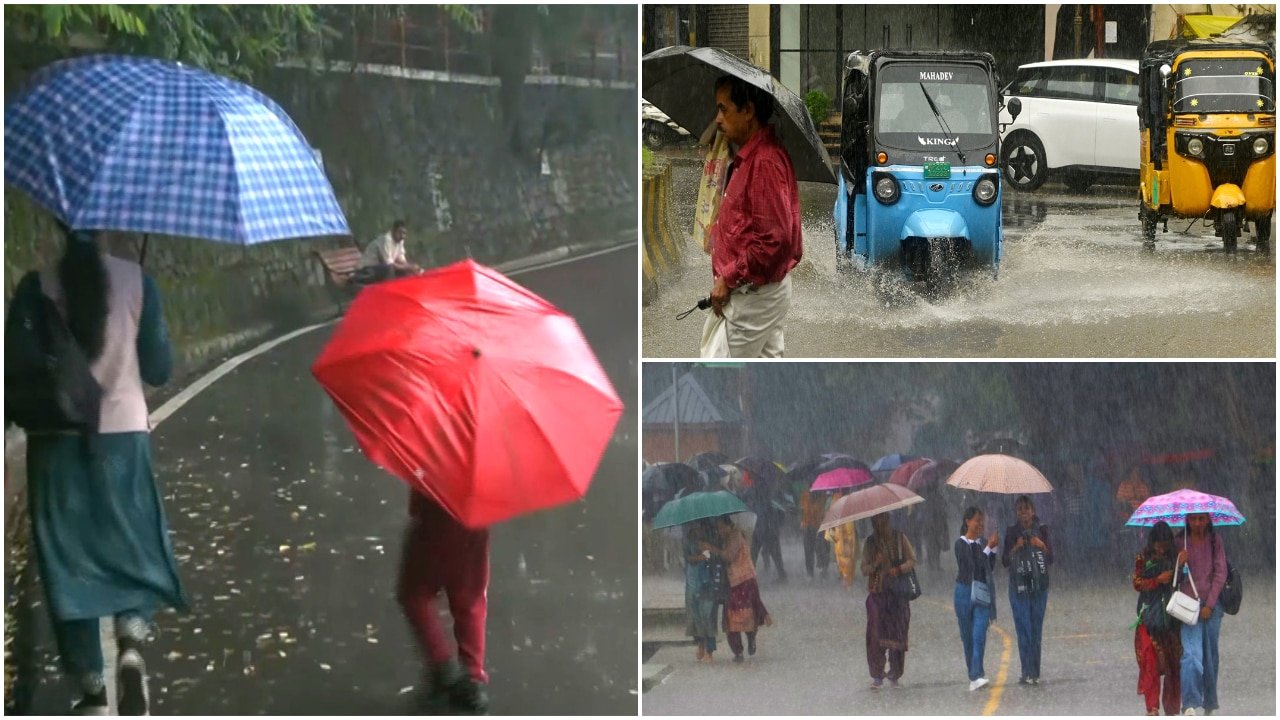
The Indian Meteorological Department (IMD) has issued a significant weather update, signaling a major resurgence of the monsoon across large swathes of the country. Following a period of relative dormancy in several northern regions, the monsoon trough has shifted, bringing a renewed intensity to precipitation patterns. Meteorological authorities have now placed 17 states under an active alert, cautioning residents and the agricultural community of heavy rainfall and associated storm activity in the coming days.
The current weather system is characterized by a surge in moisture-laden winds interacting with localized low-pressure areas. This atmospheric shift is expected to impact a vast geographic corridor, stretching from the national capital, Delhi, through the heartland states of Uttar Pradesh and Bihar, and extending into the northeastern states of Assam, Mizoram, Tripura, and Nagaland. Rajasthan, which had seen intermittent dry spells, is also expected to face significant downpours as the weather system tracks eastward and northward.
Atmospheric Dynamics and Regional Impact
The recent lull in monsoon activity across North India had been a point of concern for meteorologists and policymakers alike. However, the latest satellite imagery and ground-level observations confirm that the monsoon has regained its vigor. The IMD’s alert highlights that these heavy rainfall events are likely to be accompanied by strong gusty winds and, in some vulnerable areas, potential thunderstorms.
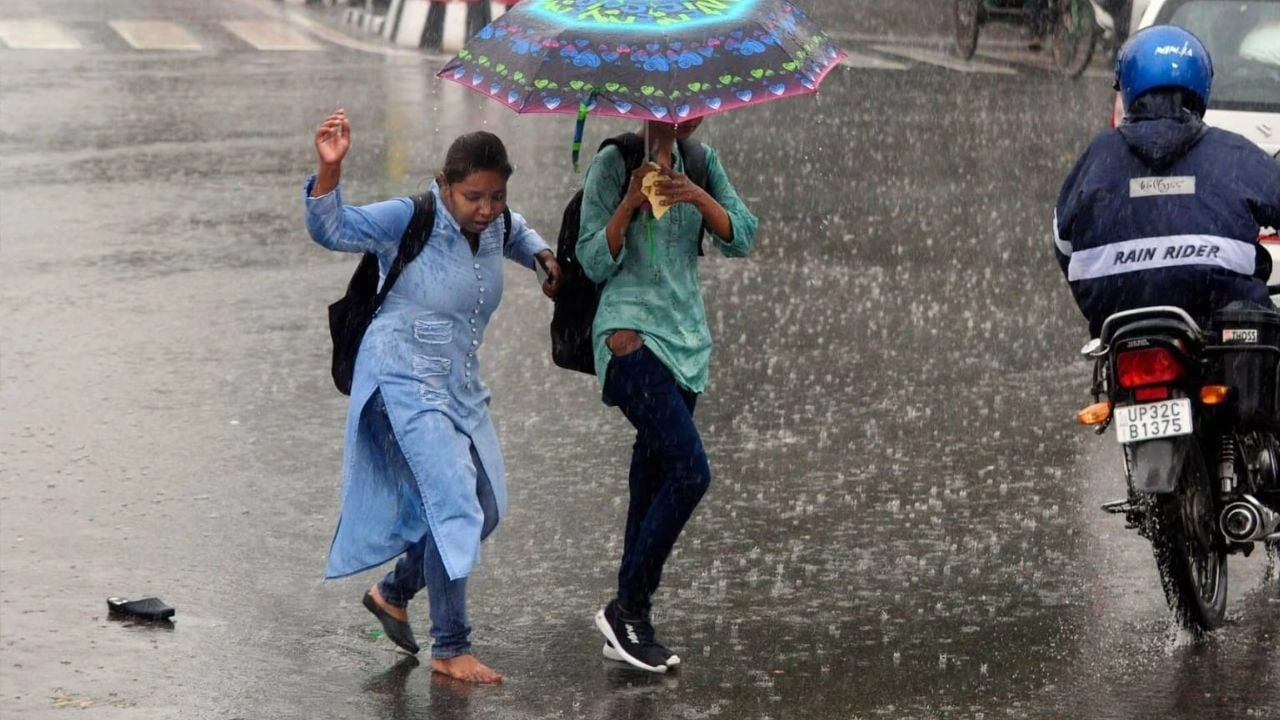
In the northern plains, including Delhi, Haryana, and Uttar Pradesh, the arrival of these rains is expected to break the lingering humidity and heat stress that has characterized the last fortnight. Meanwhile, for the northeastern states, the IMD has warned of sustained heavy to very heavy rainfall. Given the region’s topography, the meteorological department has cautioned local authorities to remain vigilant regarding rising water levels in rivers and potential flash floods in low-lying areas. The eastern belt, specifically Bihar, is also bracing for significant precipitation, which will be critical for replenishing soil moisture levels and supporting the ongoing kharif crop cycle.
Agronomic Implications and Hydrological Outlook
The intensification of the monsoon is a double-edged sword for the agricultural sector. On one hand, the rainfall is essential for regions where irrigation infrastructure remains limited. The replenishment of reservoirs and the rise in groundwater tables are vital for the sustainability of the agricultural season. Increased soil moisture is particularly beneficial for the vegetative growth phase of several staple crops currently in the field.
Conversely, the IMD has emphasized the risk of extreme weather events. The intensity of the forecasted storms poses a risk of lodging—the physical bending or breaking of crop stems—which can significantly reduce yields if not managed. Furthermore, excessive waterlogging in fields can lead to root rot and nutrient leaching, particularly in poorly drained soil types. Agricultural extension services are closely monitoring the situation to ensure that farmers are informed of localized warnings, allowing for timely drainage management and the protection of harvested or maturing crops.
What This Means for Farmers
For the farming community, this transition in weather patterns necessitates a shift toward proactive risk management. The following considerations are paramount for those operating in the affected 17 states:
- Implement Field Drainage: Farmers in low-lying areas should ensure that drainage channels are cleared of debris to prevent waterlogging, which can cause significant damage to young crops within hours of heavy rainfall.
- Monitor Crop Health: Increased humidity and standing water create ideal conditions for fungal pathogens and pests. Farmers are advised to scout their fields regularly and consult with local agricultural extension offices regarding appropriate, timely prophylactic treatments if conditions permit.
- Secure Infrastructure: With storm alerts in place, it is vital to secure temporary structures, farm equipment, and livestock shelters against high-velocity winds. Ensure that all electrical connections near irrigation pumps are properly insulated and raised above potential flood levels.
- Adjust Fertilizer Schedules: Heavy rainfall can lead to the runoff of top-dressed fertilizers. If heavy rain is imminent, it is advisable to postpone the application of nitrogenous fertilizers to prevent nutrient loss and ensure maximum uptake efficiency.
- Stay Informed: Weather patterns can shift rapidly. Farmers should maintain access to real-time updates through official IMD portals, local radio bulletins, or agricultural mobile applications to receive district-specific alerts.
As the monsoon remains in a critical phase, the agricultural sector must balance the benefits of replenished water resources against the immediate risks posed by high-intensity weather events. By staying informed and maintaining rigorous field management, producers can mitigate potential losses and capitalize on the moisture provided by this seasonal resurgence.