IMD Issues High-Alert Rainfall Warnings Across 21 States as Monsoon Intensifies
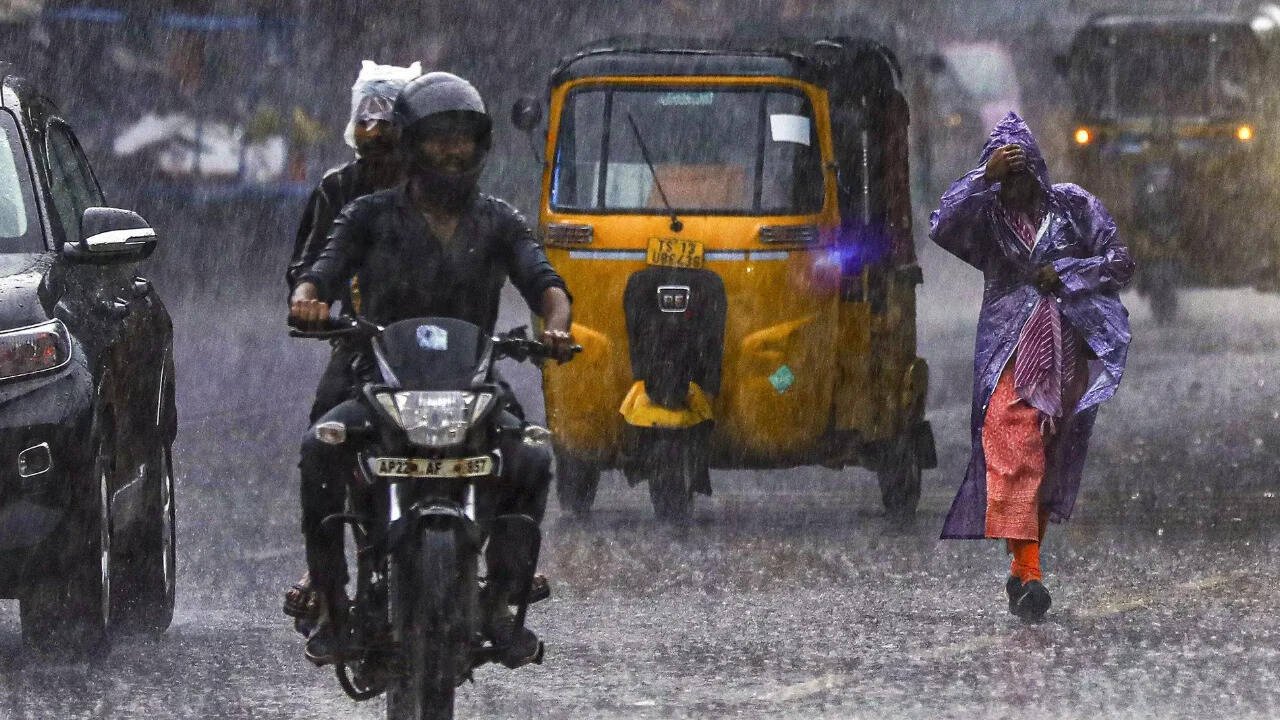
The India Meteorological Department (IMD) has issued a series of urgent weather alerts as the monsoon enters a period of heightened intensity across the country. According to the latest forecast for July 21, the weather bureau has placed several regions under a "Red" category warning, signaling the potential for extremely heavy rainfall and associated hazards. With 21 states currently under varying levels of meteorological observation, the agricultural sector and local infrastructure authorities are bracing for significant disruption.
The core of the current weather system is focused on the northern reaches of the country. Jammu and Kashmir, along with Himachal Pradesh, have been issued red alerts, indicating that rainfall of extreme magnitude is expected. In these mountainous regions, the primary concerns include flash floods, landslides, and the sudden swelling of water bodies, which pose an immediate risk to both human safety and standing infrastructure.
Regional Distribution and Meteorological Outlook
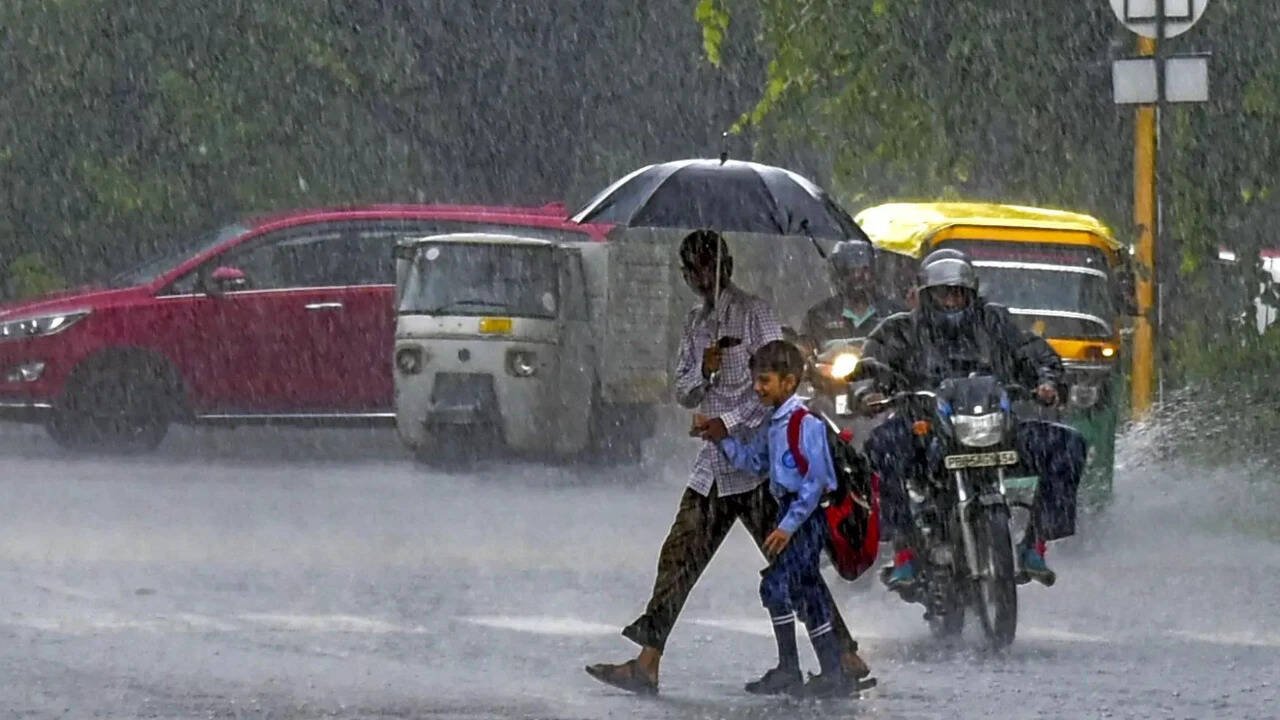
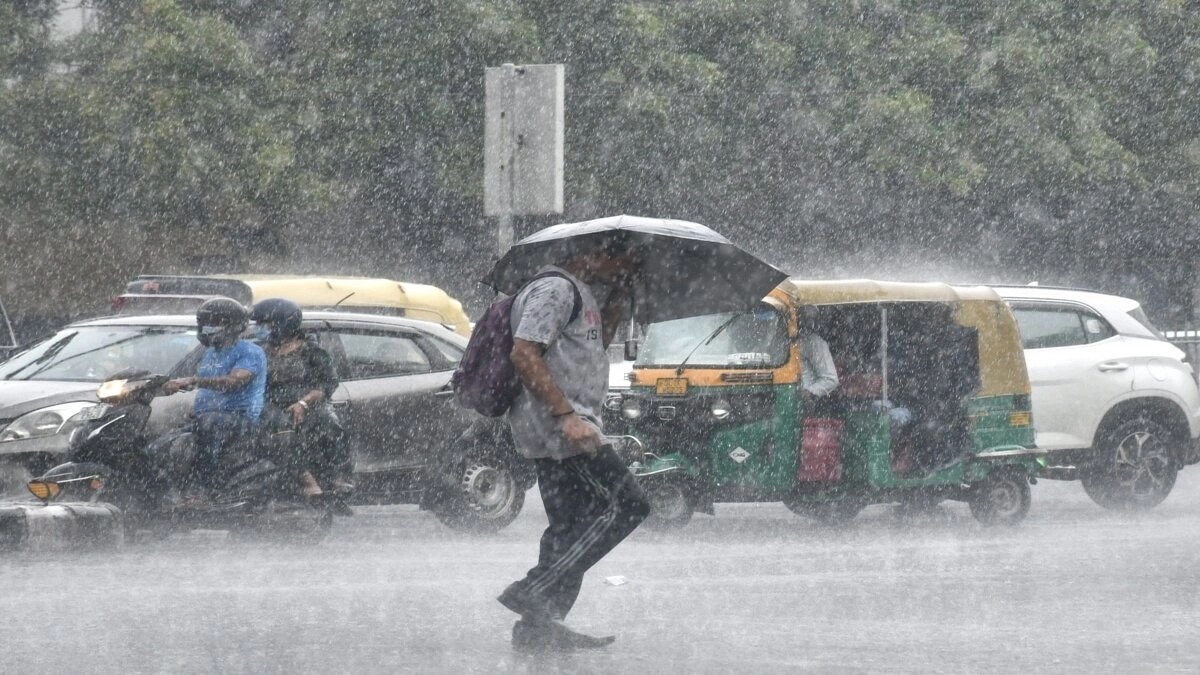
While the northern states face the most critical red-level warnings, the IMD’s broader forecast encompasses a vast geography. Following the red alert zones, several other states—including parts of Uttar Pradesh, Uttarakhand, and regions along the western and central corridors—have been placed under orange and yellow warnings. These categories indicate a high likelihood of severe rain and thunderstorms that, while perhaps less catastrophic than the red-zone events, are still significant enough to cause waterlogging, traffic disruption, and damage to vulnerable crops.
The monsoon trough is currently positioned in a manner that facilitates moisture-laden winds from both the Arabian Sea and the Bay of Bengal. This convergence is fueling the persistent cloud cover and sustained downpours across the central plains and the Himalayan foothills. Meteorologists note that these conditions are characteristic of a peak monsoon cycle, where localized low-pressure systems can rapidly escalate, bringing intense rainfall to specific districts even while neighboring areas experience only moderate showers.
Navigating the Challenges of Intense Monsoon Cycles
The current weather pattern presents a complex landscape for the agricultural community. While monsoon rains are the lifeblood of India’s predominantly rain-fed farming sector, the intensity and concentration of this current spell raise concerns regarding soil saturation. In regions like Uttar Pradesh, where the agricultural calendar is currently dominated by the kharif sowing season, excessive water accumulation in fields can lead to poor germination and the risk of fungal infections in younger crops.
Furthermore, the high-alert status in the mountainous states of Himachal Pradesh and Jammu and Kashmir serves as a reminder of the vulnerability of terraced farming and orchard-based economies. Heavy rains in these zones often lead to soil erosion and the loss of topsoil, which can have long-term consequences for the productivity of apple orchards and other high-value horticultural crops. As the IMD continues to monitor the movement of these weather systems, the coordination between district disaster management cells and agricultural extension services remains paramount to mitigating potential losses.
What This Means for Farmers
For the farming community, the current weather alerts necessitate a shift from routine operations to proactive disaster preparedness. The following actionable steps are recommended for those in the affected regions:
- Ensure Field Drainage: Farmers in low-lying areas should inspect and clear drainage channels immediately. Preventing water stagnation is critical to protecting the root systems of kharif crops like paddy, maize, and pulses from asphyxiation.
- Monitor Crop Health: High humidity and heavy moisture create an ideal environment for pests and fungal pathogens. Farmers should be prepared to observe their fields closely for signs of disease and consult with local agricultural experts regarding the timing of prophylactic sprays once the rain subsides.
- Secure Harvested Produce: For those who have already completed early harvests or are currently storing inputs, ensure that all produce and seeds are stored in elevated, moisture-proof structures to prevent spoilage.
- Stay Informed: Weather conditions during the monsoon can shift rapidly. Farmers are advised to follow local district administration advisories and stay updated with the latest IMD bulletins through radio, SMS alerts, or official mobile applications.
- Infrastructure Safety: In mountainous and hilly regions, avoid working near slopes or riverbanks during the peak of the red alert period. The risk of landslides and sudden water surges is significantly higher during these windows of extreme rainfall.
By taking these precautionary measures, the agricultural community can better withstand the volatility of this intense monsoon phase and protect their investments for the remainder of the cropping season.