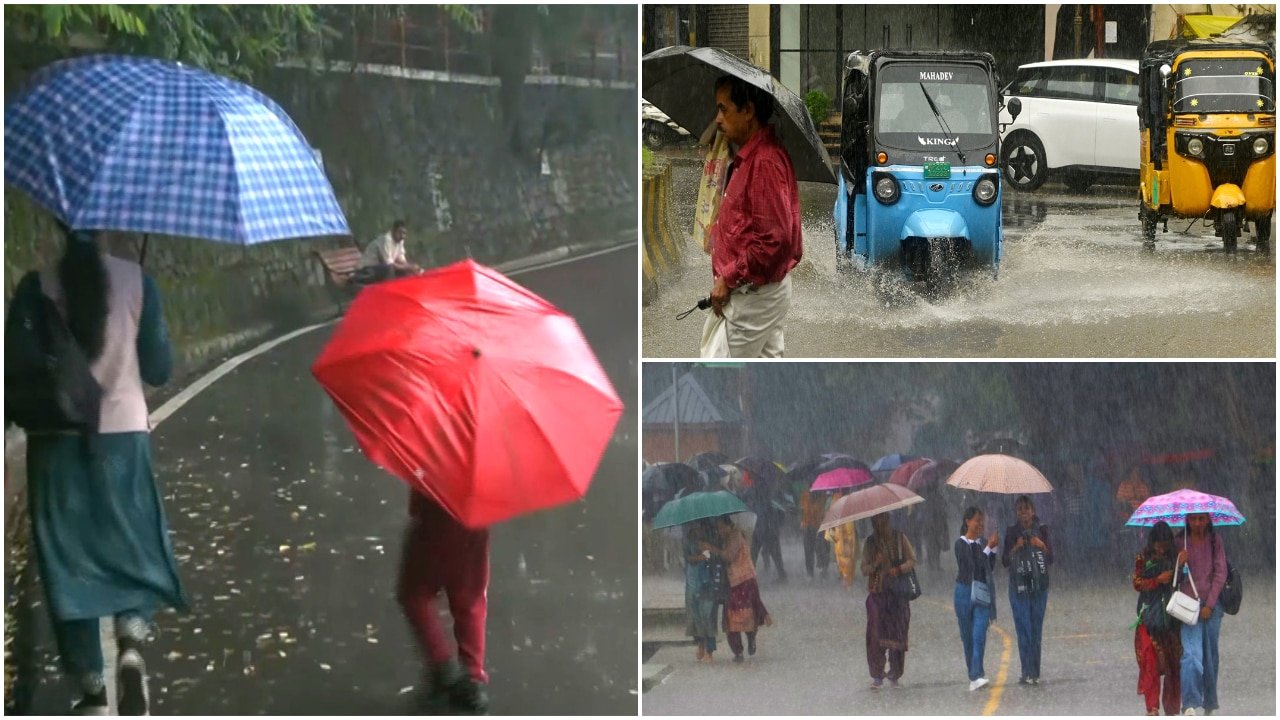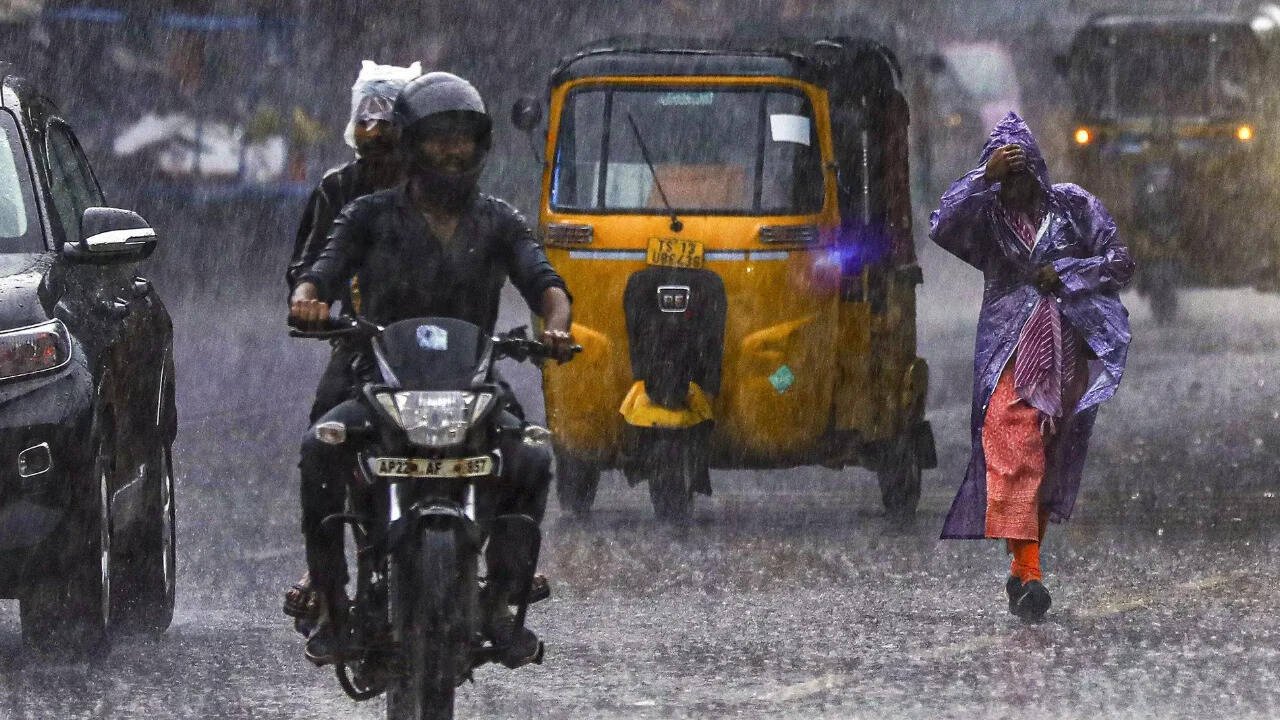
Heavy Rainfall Alerts Trigger Widespread Educational Disruptions Across India
As the Indian Meteorological Department (IMD) issues a series of high-alert warnings for heavy rainfall across multiple states, local administrations are scrambling to balance public safety with educational continuity. The severe weather patterns, driven by active monsoon troughs and cyclonic circulations, have necessitated immediate precautionary measures in vulnerable regions. On July 27, the landscape of school operations remains fragmented, with some states imposing mandatory closures while others have devolved decision-making authority to local district collectors to better reflect ground-level realities.
Regional Variations in Monsoon Preparedness and School Closures
The impact of the current weather system is far from uniform, leading to a patchwork of administrative responses across the country. In states where the IMD has flagged "red" or "orange" alerts due to the risk of flash floods and waterlogging, authorities have prioritized the safety of students and staff by shuttering educational institutions.
In Odisha, districts such as Bageshwar, Jagatsinghpur, and Mayurbhanj have officially suspended all school activities for the day. These regions, prone to rapid water accumulation and disruption of transport networks, have taken a proactive stance to prevent students from navigating hazardous commutes during peak storm activity. Conversely, the situation in Northern India presents a stark contrast; in Jammu & Kashmir, where weather conditions have stabilized, schools have resumed normal operations, signaling a return to routine following earlier weather-related interruptions.
A more decentralized approach is being observed in states like Gujarat and Maharashtra. Recognizing the localized nature of monsoon cell activity—where one district may face torrential downpours while a neighboring region remains relatively dry—state governments have empowered district-level collectors to assess the situation independently. This strategy allows for a nuanced response, ensuring that schools remain open where it is safe to do so, thereby minimizing the impact on academic calendars while maintaining a safety-first mandate.
The Agronomic and Infrastructure Context of Monsoon Volatility
The IMD’s alerts are not merely warnings for urban centers; they are critical indicators of broader atmospheric instability that influences the entire agricultural value chain. Intense, localized downpours often pose significant risks to rural infrastructure, including secondary road networks that connect farms to local markets. When heavy rains force the closure of schools, they often signal that the same conditions—saturated soil, impaired drainage, and limited accessibility—are impacting the movement of agricultural laborers and the transport of perishable produce.
For the farming community, these weather alerts serve as a reminder of the increasing volatility of the monsoon season. High-intensity rainfall events, characterized by concentrated bursts of water in a short duration, are becoming more frequent, challenging traditional water management systems. While the rain is essential for the kharif crop cycle, the current intensity levels threaten to cause soil erosion, nutrient leaching, and the potential for crop lodging in low-lying fields.
What This Means for Farmers
The current weather patterns necessitate a shift in operational focus for those involved in the agricultural sector. Farmers should consider the following impacts and actionable steps:
- Monitor Localized Infrastructure: As school closures indicate poor road conditions, farmers should anticipate delays in the collection and transport of inputs and harvests. It is advisable to secure essential supplies and move harvested produce to covered, elevated storage areas before the onset of the heaviest rainfall.
- Prioritize Field Drainage: Ensure that drainage channels around standing crops are clear of debris. In regions under heavy rain alerts, preventing water stagnation is critical to avoid root rot and the proliferation of fungal diseases, which thrive in high-humidity, waterlogged environments.
- Stay Informed via Local Channels: Since administrative decisions regarding closures and emergency services are being handled at the district level, farmers should rely on local district official notifications rather than broad, generalized weather reports. This ensures that the information received is relevant to the specific sub-region.
- Economic Contingency Planning: Be prepared for potential market volatility. Disruptions in transport caused by weather can temporarily limit the supply of fresh produce to regional mandis, which may cause short-term price fluctuations. Planning logistics for the coming week with a "weather-buffer" in mind can help mitigate potential financial losses.
As the monsoon season continues, the synergy between meteorological accuracy and local administrative responsiveness remains the primary tool for mitigating the risks posed by extreme weather events to both society and the agricultural economy.