IMD Issues High Alert as Intense Monsoon Activity Targets Northwest and Western India
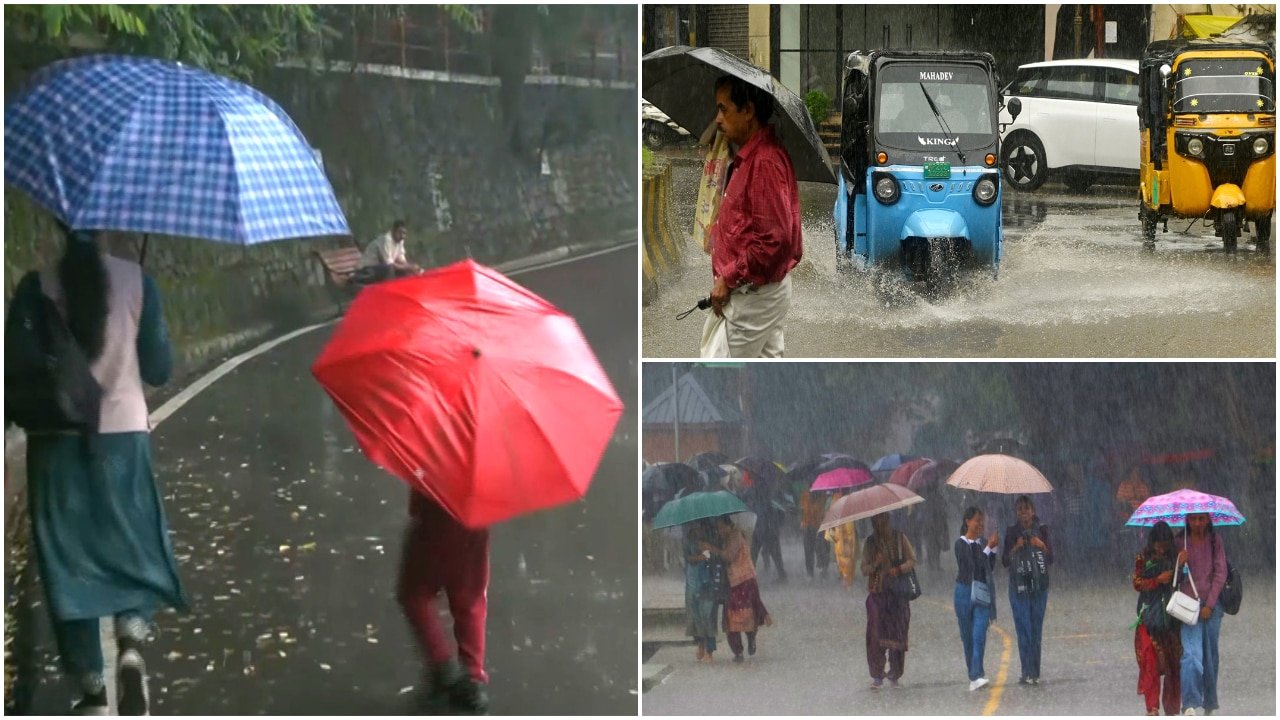
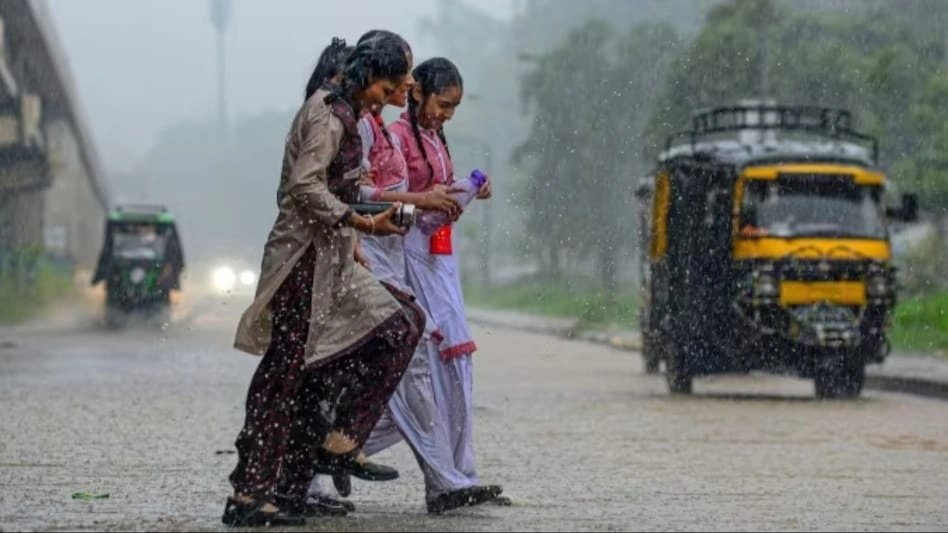
The India Meteorological Department (IMD) has issued a series of urgent weather warnings as a vigorous monsoon trough shifts its position, bringing the threat of heavy to very heavy rainfall across several key agricultural and urban hubs. The regions under immediate observation include Gujarat, the National Capital Region (Delhi-NCR), and Rajasthan, alongside several other states currently experiencing a surge in atmospheric instability. Meteorological experts suggest that a combination of a low-pressure system and the active monsoon trough is facilitating moisture-laden winds from the Arabian Sea, leading to widespread precipitation across these territories.
For large swathes of Western and Northern India, this weather shift signals a critical period of transition. While the monsoon has been erratic in its distribution this season, the current forecast indicates a sustained period of rainfall that is expected to persist over the coming days. The IMD has advised state administrations to remain on high alert, particularly in low-lying areas prone to waterlogging and regions where the cumulative rainfall has already saturated the soil, increasing the risk of flash floods and infrastructure damage.
Atmospheric Dynamics Driving the Current Weather Surge
The intensity of the current monsoon spell is attributed to the convergence of multiple weather systems. In Gujarat, the coastal districts are particularly susceptible to heavy downpours due to the moisture influx from the Arabian Sea. The IMD’s predictive models highlight that the formation of cyclonic circulations near the landmass is intensifying the rainfall, which could impact standing crops and regional logistics.
In the Delhi-NCR region and across the arid plains of Rajasthan, the situation is slightly different. The shift in the monsoon trough—the elongated low-pressure area that dictates the path of monsoon rains—has moved closer to the foothills of the Himalayas. This repositioning often results in intense, localized convective activity, leading to sudden, high-intensity rainfall events. For the capital and surrounding satellite cities, this implies a high probability of traffic disruptions and urban flooding, while for Rajasthan, the rainfall is a double-edged sword: it provides essential water for reservoirs but poses a significant threat to late-stage kharif crops that are currently approaching their sensitive maturity phases.
The Ecological and Agricultural Impact
The agricultural landscape of India is highly sensitive to the timing and volume of monsoon rainfall. While these rains are essential for replenishing groundwater levels and filling major reservoirs—which are vital for the upcoming rabi (winter) crop season—excessive rainfall in a short span can lead to severe agronomic challenges. Soil erosion, nutrient leaching, and the physical lodging of crops are primary concerns for farmers in regions currently experiencing heavy precipitation.
Furthermore, the high humidity levels accompanying this rainfall create a favorable environment for the proliferation of pests and fungal diseases. Farmers are advised to closely monitor their fields for signs of blight, rust, or increased insect activity. In areas where harvesting has already commenced or is imminent, the challenge lies in managing moisture levels to prevent post-harvest losses, as damp grain and produce are highly susceptible to spoilage during transit and storage.
What This Means for Farmers
For the agricultural community, the IMD’s high alert serves as a call for immediate preparedness and proactive field management. The following steps are recommended to mitigate potential losses:
- Ensure Field Drainage: Prioritize the maintenance of drainage channels in fields to prevent waterlogging, which can cause root rot and suffocation in standing crops.
- Post-Harvest Protection: If crops have already been harvested, move produce to elevated, covered, or ventilated storage facilities immediately. Avoid stacking damp bundles in the open to prevent mold development.
- Monitor for Pests: Increased humidity often triggers a surge in fungal infections and pest populations. Consult with local agricultural extension officers regarding the application of prophylactic treatments if weather conditions permit.
- Livestock Safety: Ensure that livestock are sheltered in dry, well-ventilated areas. Heavy rains often lead to an increase in waterborne diseases among cattle and small ruminants; maintain strict hygiene in animal sheds and ensure clean drinking water sources.
- Stay Updated: Continue to monitor local weather bulletins and district-level agromet advisories. These reports provide hyper-local insights that can help in making informed decisions about irrigation scheduling and the timing of field operations.
Ultimately, while the monsoon remains the lifeblood of Indian agriculture, the current intensity underscores the need for climate-resilient farming practices. Farmers are urged to exercise caution and prioritize the protection of both their current assets and their long-term soil health during this period of extreme weather.