Monsoon Intensifies: Himachal Pradesh Placed on Orange Alert as Heavy Rains Disrupt Infrastructure
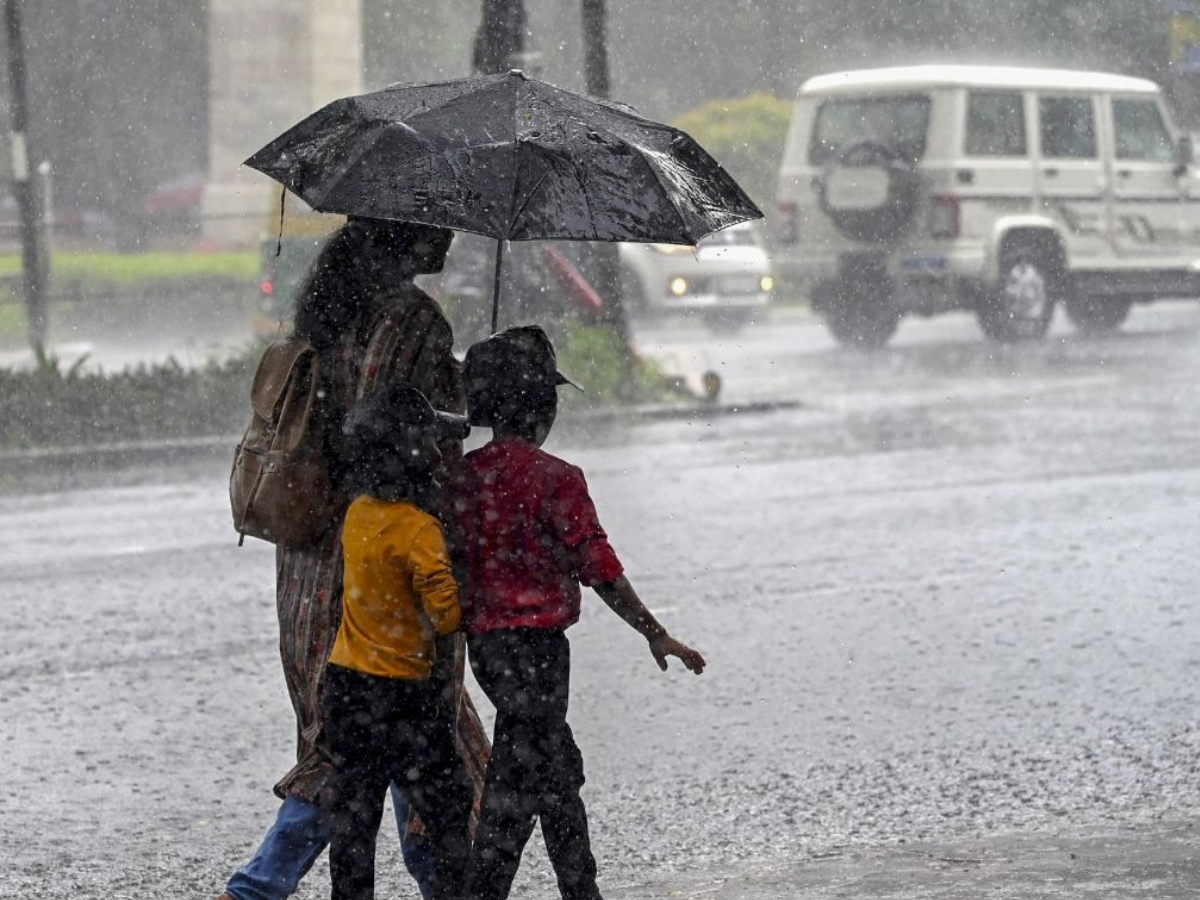
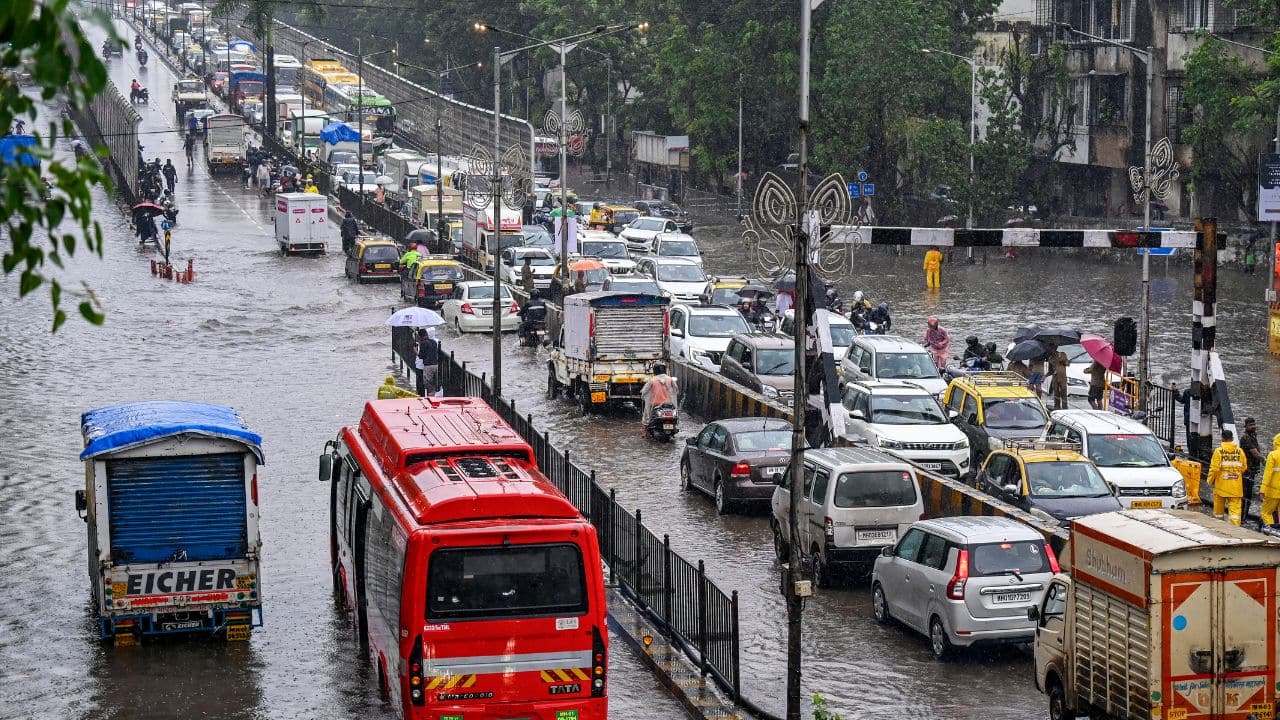
The India Meteorological Department (IMD) has officially escalated its weather warning for Himachal Pradesh, issuing an orange alert as the state continues to grapple with intense monsoon precipitation. This meteorological designation signifies a high level of concern, warning of potential hazardous conditions, including localized flooding, landslides, and significant disruptions to transport and utility networks. As the monsoon trough remains active across the Himalayan region, authorities have urged residents and travelers to exercise extreme caution, particularly in areas prone to geological instability.
The current weather pattern is characterized by persistent, heavy rainfall that has saturated the soil, significantly increasing the risk of slope failure. For a state defined by its rugged, mountainous topography, these weather events represent a critical challenge to daily life and the continuity of essential services. While regional disaster management agencies remain on high alert, the focus has shifted toward clearing vital arterial routes and ensuring the safety of communities located in low-lying areas or near riverbanks.
Infrastructure Challenges and Restoration Efforts in Mandi District
The impact of the ongoing rainfall is most visible in the Mandi district, which has emerged as one of the most affected regions in the state. Recent reports indicate that at least 58 roads have been blocked, effectively severing links between several rural communities and larger commercial hubs. These closures are primarily the result of landslides and debris flows, which frequently occur when torrential downpours destabilize the mountainous terrain above major transport routes.
Local public works departments are currently engaged in extensive clearing operations, utilizing heavy machinery to restore connectivity. However, the task is complicated by the fact that the rain continues to fall, creating a cycle where new debris often accumulates shortly after a road is cleared. Beyond transport, the district has faced significant power disruptions. While recent field reports suggest that utility crews have made measurable progress in restoring electricity to affected villages, the grid remains fragile. The restoration of power is a complex logistical undertaking, requiring technicians to navigate hazardous terrain to repair downed lines and damaged transformers, often under continuing adverse weather conditions.
Meteorological Outlook and Long-term Vulnerability
The orange alert serves as a proactive measure to prevent loss of life and property as the monsoon season reaches a period of heightened activity. Meteorologists note that the current instability is driven by the interaction of moisture-laden winds with the Himalayan foothills, leading to concentrated spells of heavy rain. This pattern is not uncommon during the monsoon, yet the increasing frequency of high-intensity events highlights the ongoing vulnerability of the region’s infrastructure.
State authorities are coordinating with the IMD to monitor real-time data, ensuring that early warning systems are effectively communicated to district administrations. As the soil moisture levels reach saturation points, the potential for flash floods and mudslides remains elevated. Consequently, the government has advised against unnecessary travel through mountainous passes, where visibility is low and the risk of rockfalls is at its peak.
What This Means for Farmers
For the agricultural community in Himachal Pradesh, this period of heavy rainfall brings both short-term risks and long-term management challenges. Understanding the economic and operational implications is vital for mitigating potential losses:
- Crop Protection and Drainage: Standing crops, particularly in valley areas, are at high risk of waterlogging. Farmers are advised to ensure that field drainage channels are clear of debris to prevent root rot and soil erosion. If the rain persists, nutrient leaching may occur, requiring post-monsoon soil testing to determine if fertilizer replenishment is necessary.
- Logistical Hurdles: With 58 roads blocked in Mandi alone, the movement of perishable produce to markets is severely hindered. Farmers should prioritize the immediate harvesting of crops that are ready, if weather permits, and seek to store them in dry, ventilated spaces until transportation routes are confirmed clear. Engaging with local cooperatives for collective transport once roads reopen can help minimize post-harvest losses.
- Livestock Safety: Heavy rains often lead to the contamination of water sources and the growth of fungal pathogens in fodder. Ensuring that livestock are housed in dry, elevated shelters is critical to preventing outbreaks of foot rot and other water-borne diseases during this high-alert period.
- Financial Risk Management: Farmers should document any damage to crops or infrastructure caused by the monsoon. Maintaining records of losses is essential for filing claims with local agricultural departments or under relevant crop insurance schemes, which often require photographic evidence and formal reporting to process disaster relief compensation.
- Monitoring Local Advisories: Agricultural activity should be secondary to safety. Farmers are strongly encouraged to stay tuned to local radio and regional weather updates, as the situation in mountainous zones can change rapidly. Avoiding work in fields located on steep slopes is highly recommended until the orange alert is downgraded.