IMD Issues Orange Alert for Himachal Pradesh as Monsoon Intensifies Across Northern India
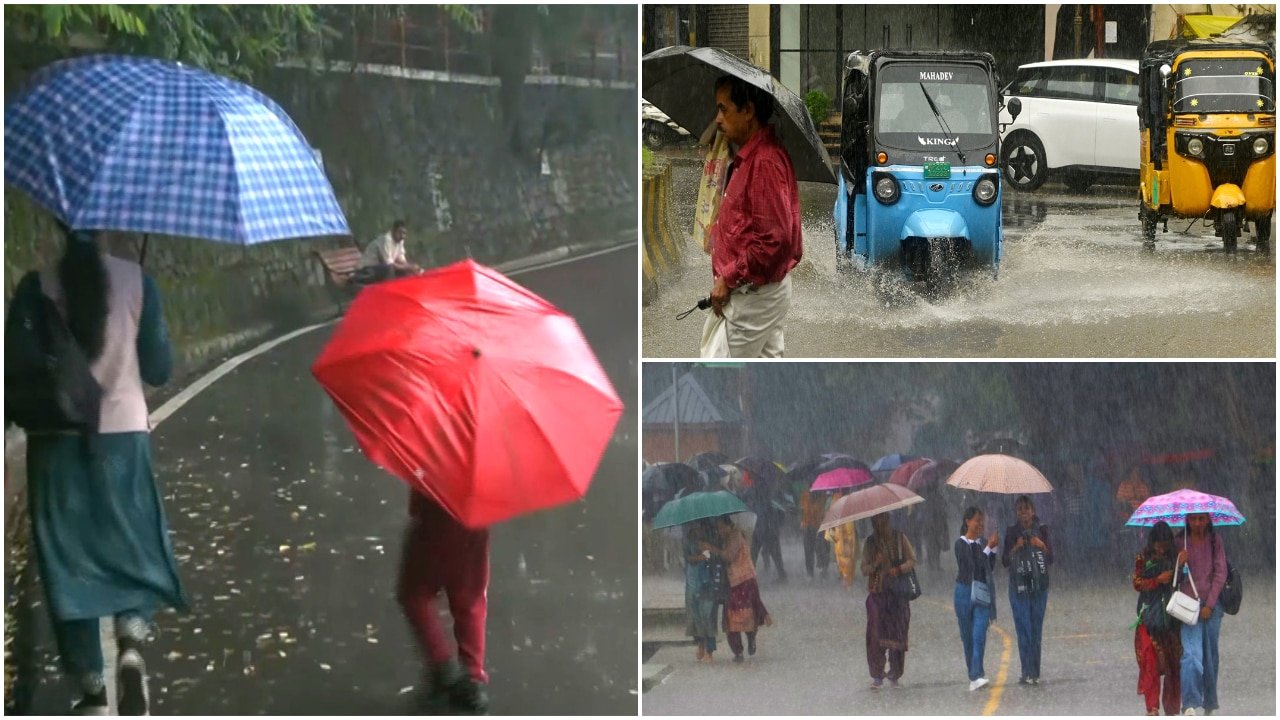
The India Meteorological Department (IMD) has issued a high-priority orange alert for Himachal Pradesh, signaling the onset of heavy to very heavy rainfall across the hilly state. This meteorological warning, effective through early this week, underscores a period of heightened monsoon activity that is set to impact a vast swathe of Northern and Central India. According to the latest satellite imagery and synoptic charts, the monsoon trough is currently positioned in a manner that facilitates moisture-laden winds across the region, bringing intense precipitation to Himachal Pradesh, Uttarakhand, Delhi, Rajasthan, and Madhya Pradesh.
The orange alert serves as a precautionary notice for local administrations and the general public, indicating that weather conditions are expected to deteriorate significantly. Authorities have highlighted the risks of flash floods, landslides, and waterlogging in low-lying areas. As the monsoon remains vigorous through the mid-August window, meteorologists are closely monitoring the interaction between the western disturbances and the prevailing monsoon currents, which are expected to sustain heavy rainfall activity until at least August 15.
Regional Impact and Meteorological Forecast
While Himachal Pradesh remains the primary focus of the orange alert, the weather system is far-reaching. Uttarakhand is bracing for similar conditions, with the IMD warning of potential disruptions to connectivity in mountainous terrain. The saturation of soil in these regions, following previous spells of rain, has increased the vulnerability to slope instability, necessitating heightened vigilance in regions prone to landslides.
Moving toward the plains, the National Capital Region (NCR) and surrounding areas in Delhi are expected to experience heavy rainfall, accompanied by gusty winds and frequent lightning strikes. Rajasthan and Madhya Pradesh are also under the influence of this active monsoon spell. In these states, the concern shifts toward urban waterlogging and the potential for damage to standing crops. The IMD has explicitly cautioned residents against seeking shelter under isolated trees during thunderstorm activity, emphasizing the danger posed by lightning strikes during this period of atmospheric instability.
Agricultural Vulnerabilities and Soil Management
The current weather pattern poses a complex challenge for the agricultural sector. While adequate rainfall is essential for the kharif season, the intensity and concentration of these downpours can prove detrimental to crop health. Excessive water accumulation in fields can lead to root rot, nutrient leaching, and the physical lodging of crops, particularly in areas where the soil has already reached its water-holding capacity.
Agronomists note that the risk of fungal and bacterial infections spikes during prolonged periods of high humidity and rainfall. Farmers are advised to ensure that drainage channels in their fields are clear to prevent water stagnation. Furthermore, the forecast of thunderstorms and lightning necessitates that field operations, such as the application of fertilizers or manual harvesting, be suspended to ensure the safety of farm workers and to prevent the degradation of soil structure through heavy machinery movement on saturated land.
What This Means for Farmers
The IMD’s alert brings both a reprieve from heat stress and a warning of potential yield loss. For farmers operating in the affected states, the following actions are critical during this high-intensity rainfall window:
- Prioritize Drainage: Ensure that field drainage systems are fully operational. Stagnant water for more than 24 to 48 hours can cause irreparable damage to root systems in sensitive crops like pulses and vegetables.
- Monitor for Pathogens: High moisture levels create an ideal environment for fungal diseases. Keep a close watch for signs of blight or wilt and consult local agricultural extension offices regarding the application of appropriate, rain-fast fungicides if necessary.
- Implement Soil Conservation: In sloping regions, particularly in Himachal Pradesh and Uttarakhand, maintain vegetative cover or mulch to prevent topsoil erosion, which is often accelerated by high-velocity rainfall.
- Safety First: Given the forecast for lightning and thunderstorms, avoid working in open fields during peak weather events. Ensure that livestock are housed in secure, dry shelters to prevent health issues related to damp conditions.
- Economic Planning: Keep in touch with local market updates. Transport disruptions caused by heavy rain and landslides can affect the supply chain, potentially delaying the arrival of inputs or the movement of perishable produce to market hubs.
As the monsoon remains strong through August 15, staying updated with localized, district-level IMD bulletins is essential. Farmers should exercise caution and prioritize the safety of their households and livestock while taking proactive steps to safeguard their crops against the anticipated heavy precipitation.