IMD Issues Orange Alert for Himachal Pradesh Amid Heavy Monsoon Rains
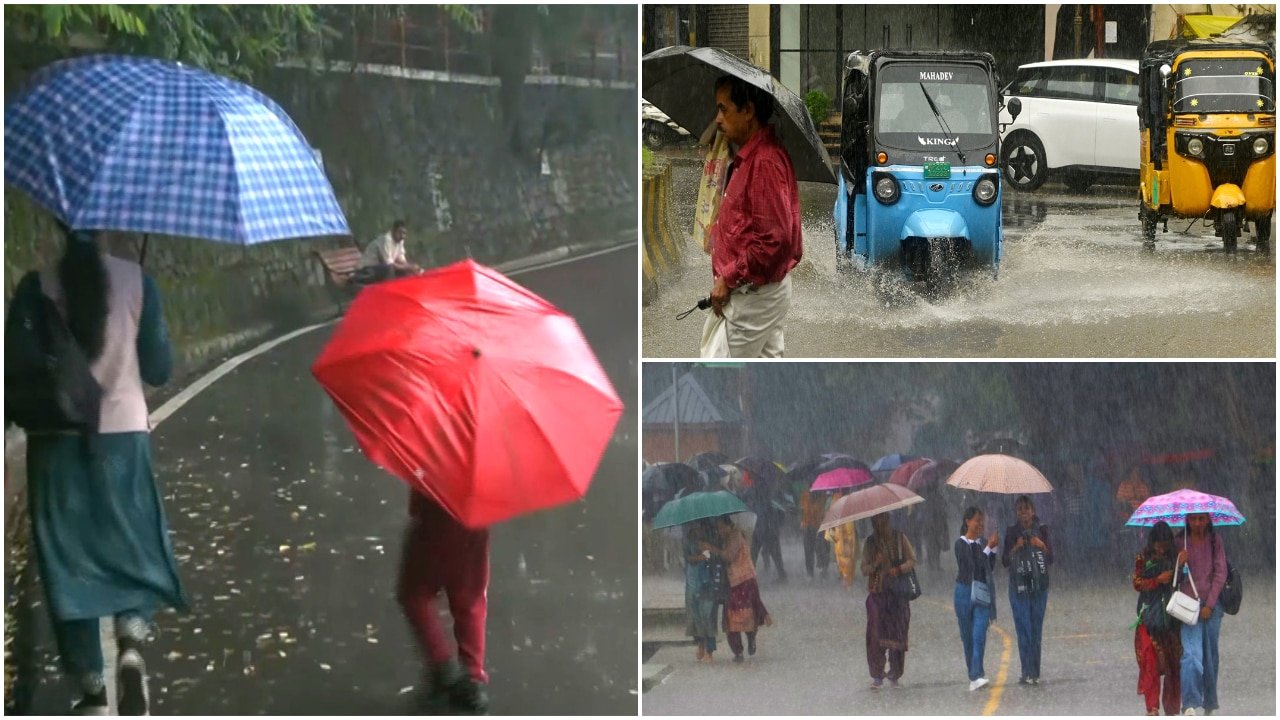
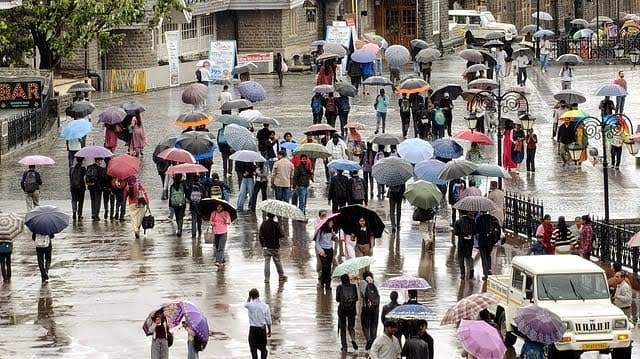
The India Meteorological Department (IMD) has officially placed Himachal Pradesh under an 'Orange Alert' as the monsoon season intensifies across the Himalayan region. With heavy rainfall expected to persist through the end of July, state authorities and local communities are on high alert. The weather system, characterized by widespread precipitation and intermittent bouts of intense downpours, has disrupted daily life and raised concerns regarding the stability of the state’s mountainous terrain.
The current meteorological data indicates that the moisture-laden winds from the Arabian Sea and the Bay of Bengal are converging over the north-western Himalayas. This convergence has resulted in sustained rainfall across several districts. While regions like Mandi have experienced variable conditions—ranging from heavy cloud cover to scattered, localized showers—the broader forecast warns of more significant precipitation events. The IMD’s Orange Alert serves as a critical warning for residents and visitors alike, signaling the potential for severe weather that could impact infrastructure and public safety.
Geological Vulnerability and Infrastructure Challenges
The geography of Himachal Pradesh presents unique challenges during the monsoon season. The state’s steep topography, combined with loose soil structures and ongoing infrastructure development, makes it highly susceptible to the adverse effects of prolonged rainfall. When heavy precipitation occurs over an extended period, the saturation of topsoil often leads to increased risks of landslides, rockfalls, and flash floods. These events not only threaten human safety but also pose a significant risk to the state’s vital road networks, which serve as lifelines for the transportation of agricultural produce and essential goods.
Meteorological experts emphasize that the 'Orange Alert' is a proactive measure intended to ensure that disaster management teams are prepared for rapid response. The persistent moisture levels are also causing concern for local drainage systems, as urban centers and rural mountain roads struggle to manage the rapid runoff generated by concentrated rainfall. Authorities have urged travelers to exercise extreme caution, particularly when traversing mountain passes or areas identified as high-risk zones for geological instability.
Agricultural Impacts and Seasonal Uncertainties
For the agricultural sector, which forms the backbone of Himachal Pradesh’s economy, the ongoing monsoon activity presents a complex set of risks and benefits. While the rains are essential for replenishing groundwater levels and supporting the growth of kharif crops, excessive moisture can lead to nutrient leaching, root rot, and the proliferation of fungal pathogens. The current weather pattern could potentially delay critical field operations, including weeding and the application of fertilizers, as waterlogged soil makes machinery access difficult and reduces the efficacy of chemical inputs.
In addition to crop health, the horticultural sector—specifically the state’s famous apple orchards—is closely monitoring the situation. While the monsoon is necessary for fruit sizing, excessive humidity and rainfall during the ripening stage can increase the incidence of scab and other fungal diseases, potentially impacting both the yield and the quality of the produce. Farmers are being advised to maintain vigilant monitoring of their orchards and field crops to mitigate the risks associated with the prolonged wet spell.
What This Means for Farmers
The current weather alert carries significant implications for the agricultural community in Himachal Pradesh. To navigate the remainder of the monsoon season safely and effectively, farmers should consider the following actionable strategies:
- Prioritize Drainage: Ensure that field drainage channels are clear of debris to prevent water stagnation, which is the primary cause of root-related diseases in saturated soil conditions.
- Implement Integrated Pest Management (IPM): Increased humidity levels often trigger outbreaks of pests and fungal infections. Farmers should scout their fields regularly and consult with local agricultural extension officers for timely, targeted interventions.
- Monitor Infrastructure: Check farm-to-market access routes for signs of erosion or instability. Protecting stored produce from moisture is also vital, as high humidity can lead to rapid post-harvest spoilage.
- Stay Informed: Continue to monitor local weather updates provided by the IMD and state disaster management authorities. Adjust field activities, such as spraying or harvesting, based on the short-term weather window rather than rigid schedules.
- Focus on Soil Health: Post-monsoon, farmers should prepare for nutrient management plans, as heavy rains may have leached essential minerals from the soil. Soil testing after the monsoon season will be essential to recalibrate fertilization programs for the next cycle.