Monsoon Volatility: IMD Issues High Alert Across 22 States as Extreme Weather Patterns Converge
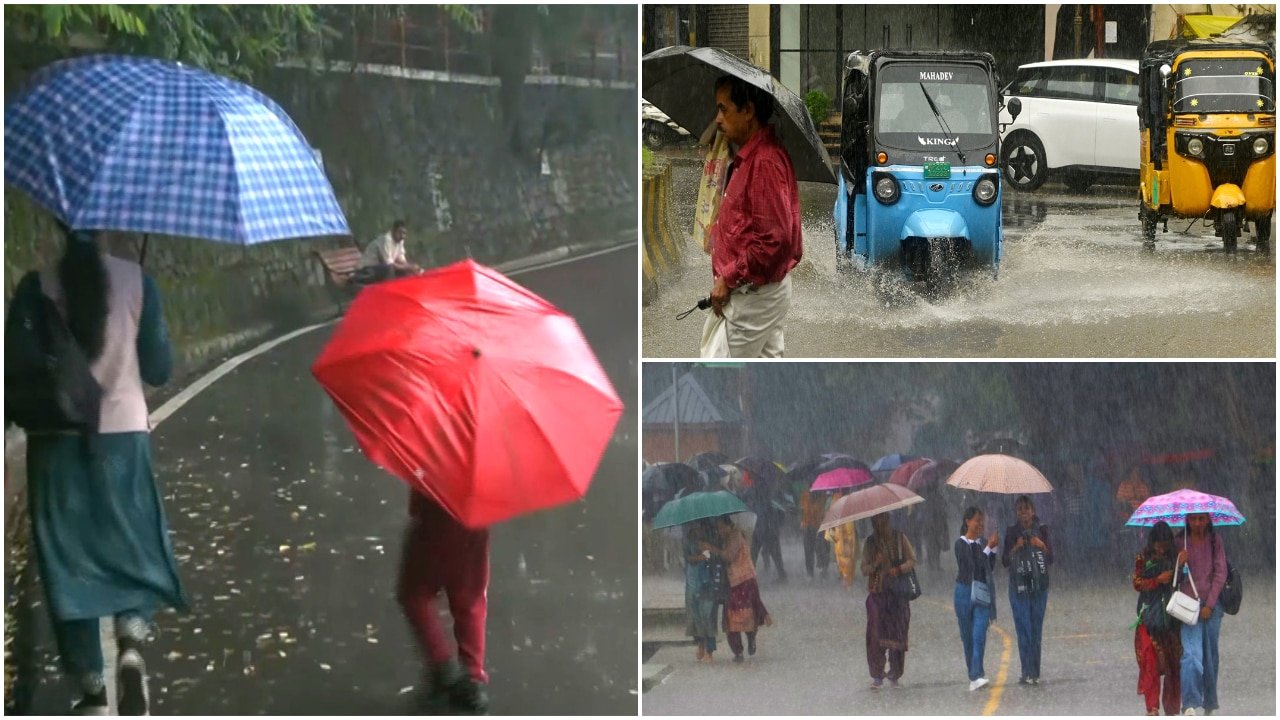
The India Meteorological Department (IMD) has sounded a nationwide high alert as a potent low-pressure system triggers a surge in monsoon activity across 22 states. While Odisha remains the primary focus for "extremely heavy rainfall" and potential flood conditions, the atmospheric disturbance is creating a complex weather map that spans from the central plains to the northern reaches of the country. This shift in monsoon dynamics highlights the increasing volatility of seasonal weather patterns, posing significant challenges for agricultural planning and disaster management authorities.
The current weather event is characterized by an intensified monsoon trough, which has channeled moisture-laden winds into the eastern and central corridors. Meteorologists are monitoring the situation closely as the low-pressure area gathers momentum, threatening to overwhelm drainage infrastructure and agricultural lowlands. In Odisha, local administrations have been directed to initiate emergency protocols, as the state braces for sustained downpours that could disrupt connectivity and threaten standing crops in the final stages of the Kharif season.
The Mechanics of the Current Monsoon Surge
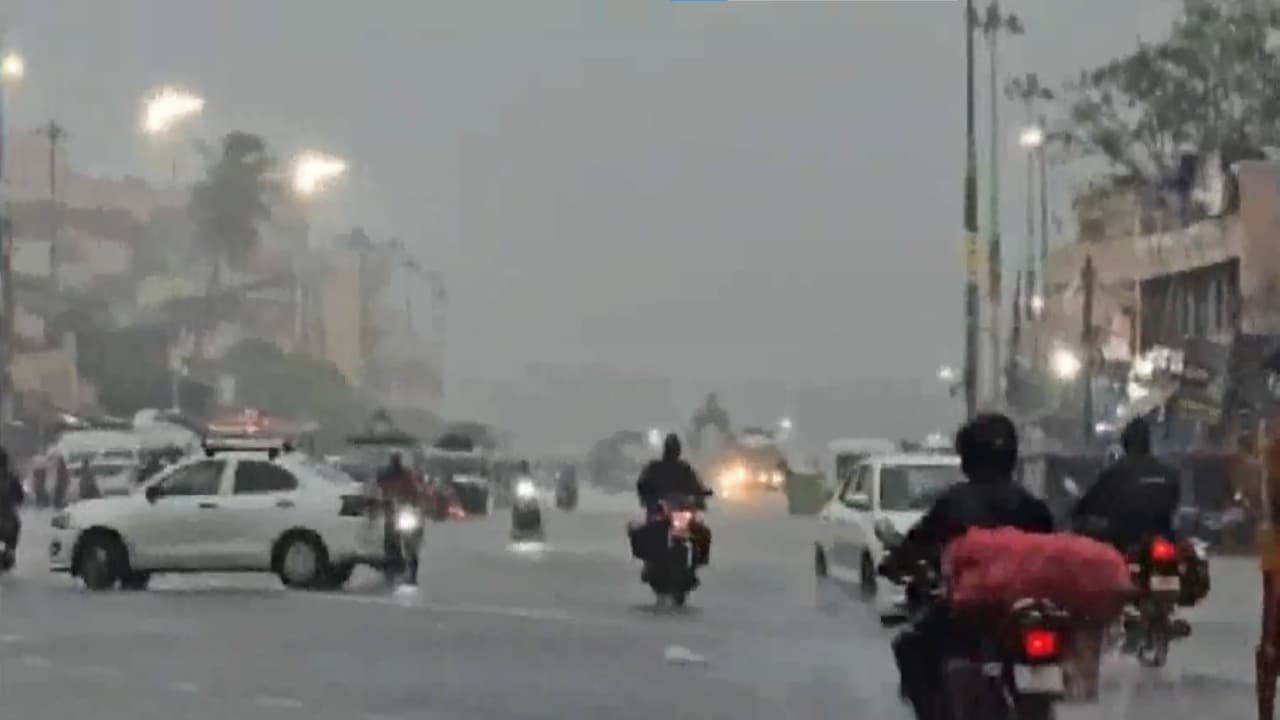
The sudden intensification of rainfall is attributed to the interaction between the low-pressure system and the prevailing monsoon currents. This meteorological phenomenon is not limited to Odisha; the ripple effects are being felt across a broad swathe of the country, including West Bengal, Jharkhand, and parts of the central Indian heartland. In these regions, the IMD has warned of "heavy to very heavy" rainfall, which carries the dual risk of flash flooding in urban areas and soil saturation in rural zones.
Conversely, the subcontinent is experiencing a stark climatic dichotomy. While the northern and eastern regions grapple with the threat of waterlogging and infrastructure damage, parts of South India remain firmly under the grip of a persistent heatwave. This contrast underscores the erratic nature of current climate cycles, where disparate weather extremes occur simultaneously within the same national landscape. For agricultural meteorologists, these shifting patterns complicate long-range forecasting and necessitate a more localized approach to farm-level weather monitoring.
Infrastructure and Agricultural Vulnerability
The primary concern for the agricultural sector lies in the timing of these extreme weather events. In regions where crops are nearing maturity or are in critical growth stages, excessive soil moisture can be as detrimental as a drought. Waterlogging in poorly drained fields risks root rot, nutrient leaching, and the proliferation of fungal pathogens. Furthermore, the threat of flooding poses an immediate danger to post-harvest produce stored in low-lying areas or in transit to local markets.
Beyond the fields, the logistical chain is equally vulnerable. Heavy rainfall often leads to the disruption of rural road networks, impeding the movement of agricultural inputs like fertilizers and seeds, and delaying the transportation of harvested goods to procurement centers. As the IMD continues to update its forecasts, the focus for district-level agricultural officers has shifted toward real-time communication, ensuring that warnings reach farmers in remote areas before the onset of the most intense precipitation.
What This Means for Farmers
The current alerts serve as a critical reminder of the need for proactive farm management in an era of climate uncertainty. Farmers in the affected states should prioritize the following actions to mitigate potential losses:
- Drainage Maintenance: Ensure that field channels and drainage outlets are cleared of debris. Proper water management is the most effective defense against soil saturation and crop drowning during high-rainfall events.
- Harvesting Adjustments: If crops are ready for harvest, prioritize immediate collection if weather windows permit. If harvesting is delayed, elevate stored produce to higher ground and use moisture-proof covers to protect against humidity and direct rainfall.
- Pest and Disease Monitoring: High humidity and moisture levels create ideal conditions for fungal outbreaks and pest infestations. Farmers should increase field scouting and be prepared to consult local extension services for appropriate, timely integrated pest management (IPM) strategies.
- Livestock Safety: Move livestock to higher, sheltered areas. Ensure that fodder supplies are stored in elevated, dry locations to prevent spoilage and potential health issues for animals.
- Market Coordination: Stay in close contact with local cooperative societies or agricultural produce market committees (APMCs) regarding transport disruptions. Anticipate potential delays in supply chains and adjust inventory management accordingly.
By staying vigilant and adhering to the guidelines provided by local meteorological units and agricultural extension officers, the farming community can better navigate the risks posed by this period of extreme monsoon volatility. As the season progresses, farmers are encouraged to treat weather alerts not just as warnings, but as essential tools for operational decision-making.