Monsoon Intensifies: IMD Issues High-Alert Warnings Across Northern India
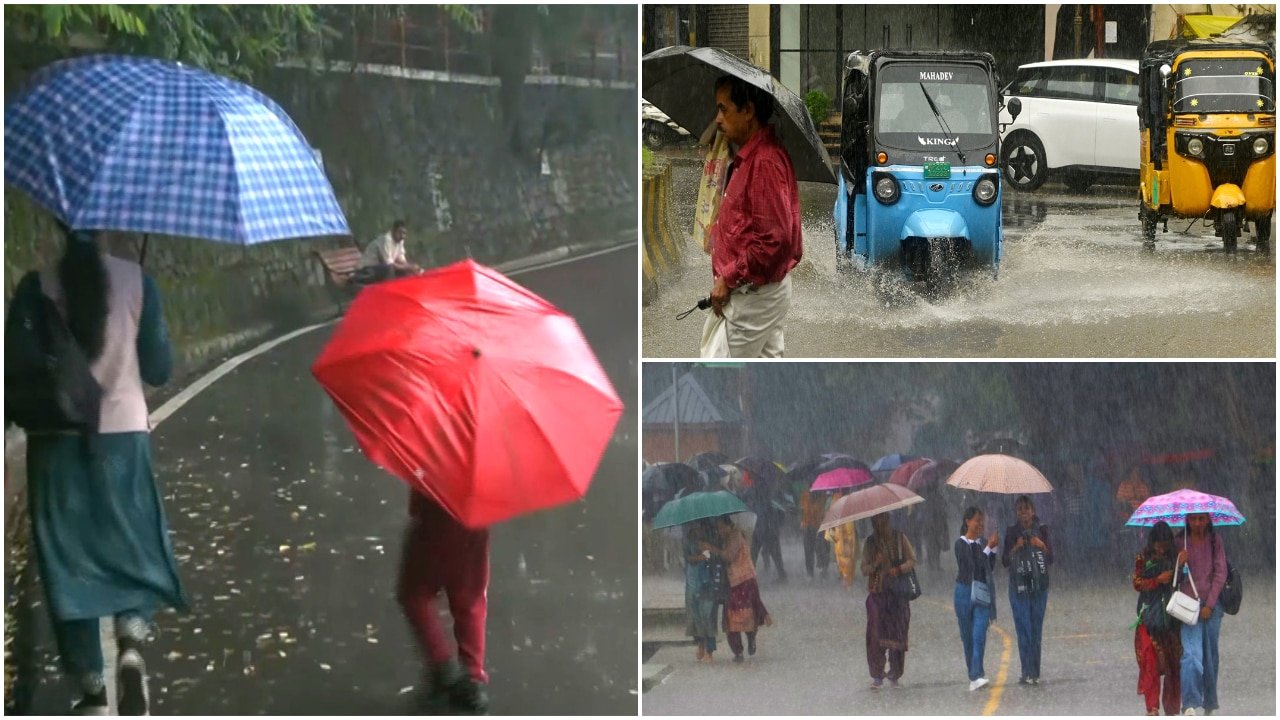
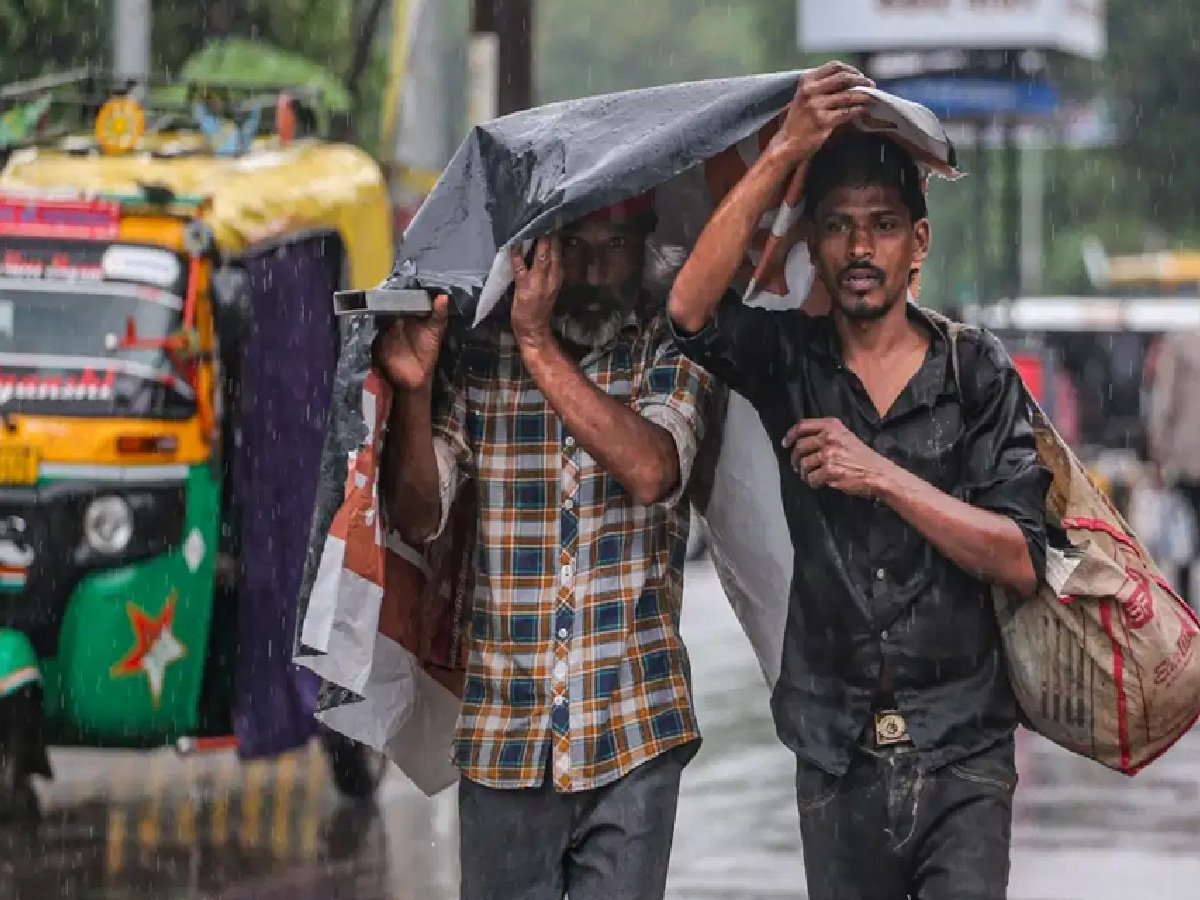
The India Meteorological Department (IMD) has issued a series of urgent weather warnings across several states in Northern India, signaling a period of extreme meteorological instability. Heavy to very heavy rainfall is expected to lash the national capital of Delhi, parts of Uttar Pradesh, Rajasthan, and the vulnerable mountainous regions of the Himalayan belt. These alerts, issued in response to a vigorous monsoon current, have triggered state-level emergency protocols to mitigate potential disasters, including flooding in urban centers and landslides in higher altitudes.
The convergence of moisture-laden winds from the Bay of Bengal and the Arabian Sea is fueling these intense weather systems. Meteorologists are closely monitoring the situation as the precipitation is expected to persist over the coming days, potentially leading to waterlogging in low-lying areas and significant disruptions to transport and infrastructure. Authorities have advised citizens to exercise extreme caution as the weather patterns remain unpredictable and volatile.
Geographical Scope and Regional Vulnerabilities
The impact of this weather event is widespread, affecting diverse topographies and economic zones. In the hilly states, the primary concern remains the threat of landslides and flash floods. The fragile geological structure of these regions, coupled with prolonged saturation of soil, increases the risk of debris flows that can sever critical supply chains and isolate remote farming communities.
In contrast, the plains of Uttar Pradesh and Rajasthan face a different set of challenges. While the rainfall is necessary for the replenishment of groundwater reserves and the filling of reservoirs, the intensity of the downpour poses a risk to standing crops. In urban centers like Delhi, the primary concern is the management of drainage systems already strained by seasonal humidity and high rainfall volumes. The IMD’s alerts serve as a crucial early warning for district administrations to pre-position disaster response teams and ensure that emergency protocols are active to handle potential evacuations or infrastructure failure.
Meteorological Drivers and Long-Term Implications
The current weather intensity is attributed to the active phase of the monsoon trough, which has shifted closer to the foothills of the Himalayas. This phenomenon, often referred to as a "break" or "active" monsoon spell, dictates the distribution of rainfall across the northern states. The IMD continues to utilize satellite imagery and advanced Doppler weather radar to track the movement of these rain-bearing clouds in real-time.
Beyond the immediate threats, the accumulation of such high volumes of rainfall in a short timeframe carries long-term implications for the agrarian cycle. While moisture is essential for the growth of Kharif crops, excessive water can lead to crop lodging, nutrient leaching, and the proliferation of fungal diseases. Agricultural scientists are emphasizing the need for farmers to monitor field conditions closely as the region transitions through this high-precipitation window.
What This Means for Farmers
For the agricultural community, these IMD alerts serve as a critical prompt for immediate field management and long-term risk mitigation. Farmers in the affected regions should consider the following practical steps:
- Drainage Management: Ensure that field channels and drainage outlets are clear of debris. Stagnant water for prolonged periods can cause root rot and deprive crops of necessary oxygen, particularly in low-lying fields.
- Crop Protection: Avoid the application of fertilizers or pesticides during periods of heavy rain, as the runoff will render these inputs ineffective and contribute to environmental contamination. Wait for a clear window to ensure optimal absorption.
- Monitoring for Pests and Disease: High humidity and moisture levels create a breeding ground for fungal infections and insect pests. Regular scouting is essential to identify early signs of infestation and to apply corrective measures as soon as the weather stabilizes.
- Livestock Safety: Ensure that livestock are moved to elevated, dry, and sheltered locations. Feed and fodder should be stored in moisture-proof conditions to prevent spoilage and the development of mycotoxins.
- Economic Preparedness: Keep a close watch on local market updates. Weather-related disruptions to transportation can impact the supply chain, potentially affecting the procurement and sale of perishable produce. Farmers are encouraged to coordinate with local agricultural extension offices for specific advisories tailored to their district’s soil and crop profiles.